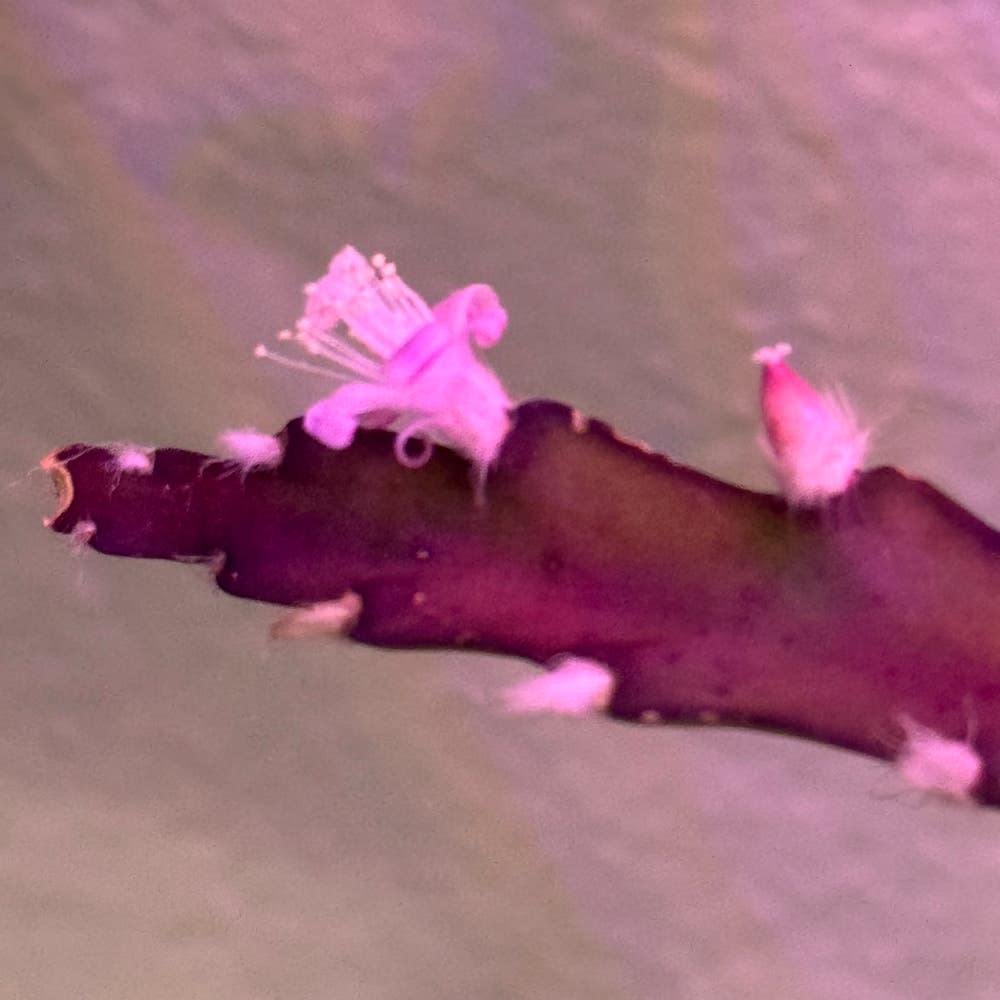
7 Tips for Fixing Flower Problems in Giant Barrel Cactus 🌵
Echinocactus platyacanthus
By the Greg Editorial Team
Oct 09, 2024•6 min read
This article was created with the help of AI so we can cover more plants for you. May contain errors. See one? Report it here.
Unlock stunning cactus blooms 🌸 by mastering common flower problems and their simple solutions!
- 🌵 Premature flower drop occurs due to stress, overwatering, or nutrient deficiencies.
- 💧 Proper watering and well-draining soil are essential to prevent root rot.
- ☀️ At least 6 hours of sunlight daily encourages blooming in giant barrel cacti.
Common Flower Problems
🌼 Premature Flower Drop
Premature flower drop can be frustrating for any cactus enthusiast. Understanding the causes is the first step to remedying this issue.
Causes
- Environmental Stress: Sudden temperature changes or inadequate light exposure can shock your cactus, leading to flower drop.
- Nutritional Deficiencies: A lack of essential nutrients can weaken flowers, making them more susceptible to falling off.
- Overwatering: Excess moisture can cause root rot, which often results in flowers dropping prematurely.
Solutions
- Adjust Watering Practices: Ensure your soil is well-draining and allow it to dry out between waterings to prevent overwatering.
- Fertilize Appropriately: Use a balanced cactus fertilizer during the growing season to provide necessary nutrients.
- Monitor Environmental Conditions: Protect your cactus from extreme temperatures and ensure it receives adequate sunlight.
🌸 Failure to Bloom
If your giant barrel cactus isn’t blooming, it can be disheartening. Identifying the reasons behind this can help you get back on track.
Identifying the Reasons
- Insufficient Light: Not enough direct sunlight can inhibit flowering, leaving your cactus in a bloom-less state.
- Nutritional Imbalances: A lack of specific nutrients can prevent blooms from forming.
- Age of the Cactus: Younger cacti may take longer to flower, requiring a bit of patience.
Solutions
- Optimize Light Exposure: Place your cactus in a location with full sun, aiming for at least 6 hours of direct sunlight daily.
- Fertilization Schedule: Apply a high-phosphorus fertilizer to encourage blooming during the growing season.
- Patience: Allow time for younger cacti to mature before expecting blooms; they need time to grow.
🌺 Abnormal Flower Development
Abnormal flower development can signal underlying issues. Recognizing these signs early can help you take corrective action.
What to Look For
- Deformed Flowers: Irregular shapes or sizes can indicate stress, signaling that something is off.
- Color Changes: Unusual discoloration may suggest nutrient issues or pest infestations that need addressing.
Solutions
- Inspect for Pests: Regularly check for signs of infestation that may affect flower health, such as tiny insects or webbing.
- Adjust Care Practices: Ensure proper watering and fertilization to promote healthy flower development and prevent abnormalities.
By addressing these common flower problems, you can help your giant barrel cactus thrive and bloom beautifully. Next, let’s explore the environmental factors that affect flowering, ensuring your cactus gets everything it needs to flourish.
Environmental Factors Affecting Flowering
🌞 Light Requirements
Importance of Sunlight
Full sun exposure is essential for your giant barrel cactus to thrive and produce vibrant blooms. Without adequate light, you may notice your cactus stretching or leaning toward light sources, a clear sign it's not getting enough sun.
🍽️ Nutritional Needs
Fertilization for Blooming
Using a cactus-specific fertilizer with higher phosphorus content can significantly boost blooming potential. Apply this fertilizer during the growing season to ensure your cactus receives the nutrients it needs for robust flower development.
🚰 Watering Practices
Impact on Flower Health
Watering frequency plays a crucial role in flower health. Always allow the soil to dry out completely between waterings to prevent issues like root rot.
Signs of Overwatering
Keep an eye out for yellowing or wilting leaves, as these can indicate overwatering and root problems. Adjust your watering practices accordingly to maintain a healthy cactus.
By understanding these environmental factors, you can create the perfect conditions for your giant barrel cactus to flourish and bloom beautifully. Next, let’s explore effective pruning techniques that can further enhance flower production.
Pruning Techniques
When and How to Prune for Better Flowering 🌸
Timing
The best time to prune your giant barrel cactus is right after the flowering season. This timing encourages new growth, setting the stage for even more vibrant blooms next season.
Techniques
To prune effectively, start with clean, sharp pruning shears. This prevents damage and reduces the risk of infection.
Next, focus on removing dead or damaged sections. This not only promotes airflow but also enhances the overall health of your cactus.
Effects of Pruning on Flower Production 🌼
Pruning can significantly encourage new growth, which often leads to an increase in flower production. By trimming back certain areas, you allow the plant to redirect its energy toward blooming.
Additionally, using proper techniques minimizes stress on the cactus. This is crucial, as stress can hinder blooming and overall vitality.
With these pruning techniques in mind, you can foster a healthier, more vibrant giant barrel cactus that rewards you with stunning flowers.
As you continue caring for your cactus, remember that environmental factors also play a key role in flowering success. Let's explore those next!
Pest and Disease Management
🐜 Common Pests That Affect Flowering
Identifying Pests
Pests can wreak havoc on your giant barrel cactus, especially when it comes to flowering. Aphids are small, soft-bodied insects that suck the sap from flowers, weakening them significantly.
Mealybugs are another culprit; these white, cottony pests can cause flower drop by damaging the plant's tissues. Keeping an eye out for these pests is crucial for maintaining healthy blooms.
🛡️ Control Methods
To combat these pests, consider using insecticidal soap. This method is effective against soft-bodied insects like aphids and mealybugs.
Additionally, regular inspections of your cactus can help you catch infestations early. Look for any unusual signs, and act quickly to protect your flowers.
🌱 Diseases That Can Hinder Bloom Development
Common Diseases
Diseases can also hinder your cactus's ability to bloom. Root rot, often caused by overwatering, can lead to significant flower issues.
Fungal infections can affect flower health and development, making it essential to monitor your cactus closely for any signs of distress.
🚑 Prevention and Treatment
To prevent these diseases, ensure you use proper watering techniques. Make sure the soil is well-draining to avoid excess moisture.
If you do encounter fungal issues, applying fungicides as needed can help treat the problem effectively. Keeping your cactus healthy will encourage vibrant blooms.
With a solid understanding of pest and disease management, you can ensure your giant barrel cactus thrives and produces beautiful flowers. Next, let’s explore troubleshooting flower problems to further enhance your cactus care.
Troubleshooting Flower Problems
Step-by-Step Guide to Diagnosing Issues 🌱
Assess Light Exposure: Start by ensuring your giant barrel cactus receives adequate sunlight. Ideally, it should bask in full sun for at least six hours daily.
Check Watering Practices: Evaluate your watering habits. Overwatering can lead to root rot, while underwatering may stress the plant, both of which can affect flowering.
Inspect for Pests and Diseases: Look closely for any signs of pests or diseases. Infestations can weaken flowers and hinder blooming.
Solutions for Common Flowering Problems 🌼
Adjust Care Based on Diagnosis: Modify your cactus care routine based on your findings. If light is insufficient, relocate it; if watering is off, adjust your schedule.
Implement Pest Control Measures: Act quickly to manage any infestations. Use insecticidal soap for soft-bodied pests like aphids and mealybugs.
Reassess Environmental Conditions: Ensure your cactus is in a suitable location. Factors like temperature and humidity can significantly impact its flowering potential.
By following these steps, you can effectively troubleshoot and resolve common flower problems in your giant barrel cactus. This proactive approach will help ensure your cactus thrives and produces beautiful blooms. Next, let’s explore how environmental factors play a crucial role in flowering success.
⚠️ Safety First
This content is for general information and may contain errors, omissions, or outdated details. It is not medical, veterinary advice, or an endorsement of therapeutic claims.
Always consult a qualified healthcare professional before using any plant as food, medicine, or supplement.
Never eat any plant (or feed one to pets) without confirming its identity with at least two trusted sources.
If you suspect poisoning, call Poison Control (800) 222-1222, the Pet Poison Helpline (800) 213-6680, or your local emergency service immediately.
Spotted an error? Please report it here.
Unlock vibrant blooms for your giant barrel cactus 🌵 with Greg's tailored care reminders and expert tips that ensure you provide the perfect conditions for flourishing flowers!