🌞 Your Giant Barrel Cactus's Light Needs
Echinocactus platyacanthus
By the Greg Editorial Team
Feb 12, 2024•3 min read
This article was created with the help of AI so we can cover more plants for you. May contain errors. See one? Report it here.
Maximize your cactus's growth and blooms by mastering its sunlight needs! 🌵☀️
- Full sun exposure needed: 6-8 hours daily for thriving Giant Barrel Cacti.
- Rotate indoor cacti to prevent leaning, ensure even growth.
- Grow lights for blooms: Red wavelengths and 12-14 hour cycles mimic desert days.
Basking in the Sun: Outdoor Light Love Affair
🌵 Full Sun Exposure: The Desert Dream
In its natural habitat, the Giant Barrel Cactus is a full sun aficionado. Six to eight hours of direct sunlight daily is the sweet spot for these spiky giants.
Setting Up the Perfect Spot Outdoors
Location is key—find a spot in your garden that gets consistent morning sun and some afternoon shade to prevent your cactus from turning into a sunburnt pin cushion. When the sky opens up with rain, ensure your cactus isn't drowning in water while it's soaking up the rays.
Indoor Sun Worship: Making It Work Inside
🌵 Window Real Estate: South-Facing Wins
South-facing windows are the gold standard for your Giant Barrel Cactus, offering the most consistent and intense light. Tricks to mimic the desert sun include using reflective surfaces to bounce light around or sheer curtains to diffuse overly intense rays. Remember, consistency is key for your cactus to thrive indoors.
🔄 The Great Indoor Rotation
Rotate your cactus periodically to ensure all sides receive equal sun exposure. This prevents the cactus from leaning towards the light source and promotes even growth. It's like giving your cactus a well-rounded education in the school of sunlight.
When the Sun Isn't Enough: Grow Lights to the Rescue
💡 Choosing Your Sun Substitute
In the dimmer corners of your home, your Giant Barrel Cactus may start to sulk. Grow lights are the pick-me-up it needs. LEDs are the crowd favorites, with full-spectrum varieties offering a sun-like spectrum without the scorch. They're energy-efficient, too, so you won't have to sweat the electric bill.
💡 Placement and Timing: Grow Lights 101
Position your grow lights with finesse—about 12-24 inches above your cactus. Too close and you risk cactus sunburn; too far and it's like a cloudy day at the beach. Aim for a 12 to 14-hour light cycle, mimicking a day in the desert. Timers are your best friends here, automating the sunrise and sunset so you can forget about manual switch-flipping. Keep an eye on your plant's response and tweak as necessary—after all, you're not just keeping it alive, you're helping it thrive.
Let There Be Flowers: Light's Role in Cactus Blooms
🌞 Sunlight and Blooming: The Direct Connection
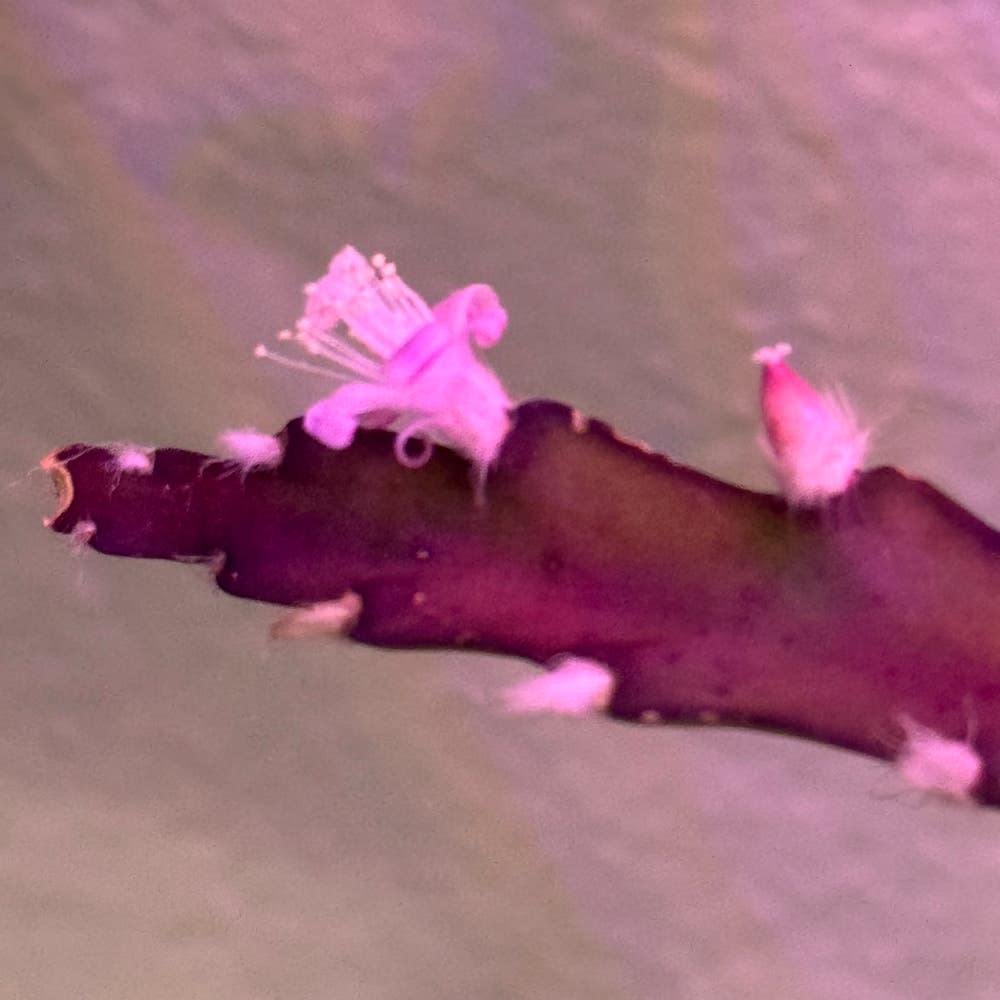
Adequate light is the secret ingredient for cactus flowers that pop. Your Giant Barrel Cactus craves full sunlight to initiate the blooming process in spring and early summer. It's a straightforward deal: no sunlight, no showy flowers.
🌟 Managing Light for Optimal Flowering
To coax your cactus into blooming, sunlight management is key. Gradually introduce your indoor cactus to more light to prevent sunburn. If your cactus is outdoors, provide some shade during the harshest midday hours.
Remember, red wavelengths are like a blooming booster, so if you're supplementing with grow lights, aim for those. Keep the lights at a safe distance—about 12-24 inches above the cactus—and use timers to mimic natural light cycles.
For the flowering finale, monitor your cactus for budding signs and maintain your lighting strategy. Just don't get overzealous with watering; a moist but not soggy soil will do.
⚠️ Safety First
This content is for general information and may contain errors, omissions, or outdated details. It is not medical, veterinary advice, or an endorsement of therapeutic claims.
Always consult a qualified healthcare professional before using any plant as food, medicine, or supplement.
Never eat any plant (or feed one to pets) without confirming its identity with at least two trusted sources.
If you suspect poisoning, call Poison Control (800) 222-1222, the Pet Poison Helpline (800) 213-6680, or your local emergency service immediately.
Spotted an error? Please report it here.
With Greg, you can effortlessly tailor your Giant Barrel Cactus's care, ensuring it basks in the right amount of desert sun 🌞 and stays perfectly hydrated without the guesswork.