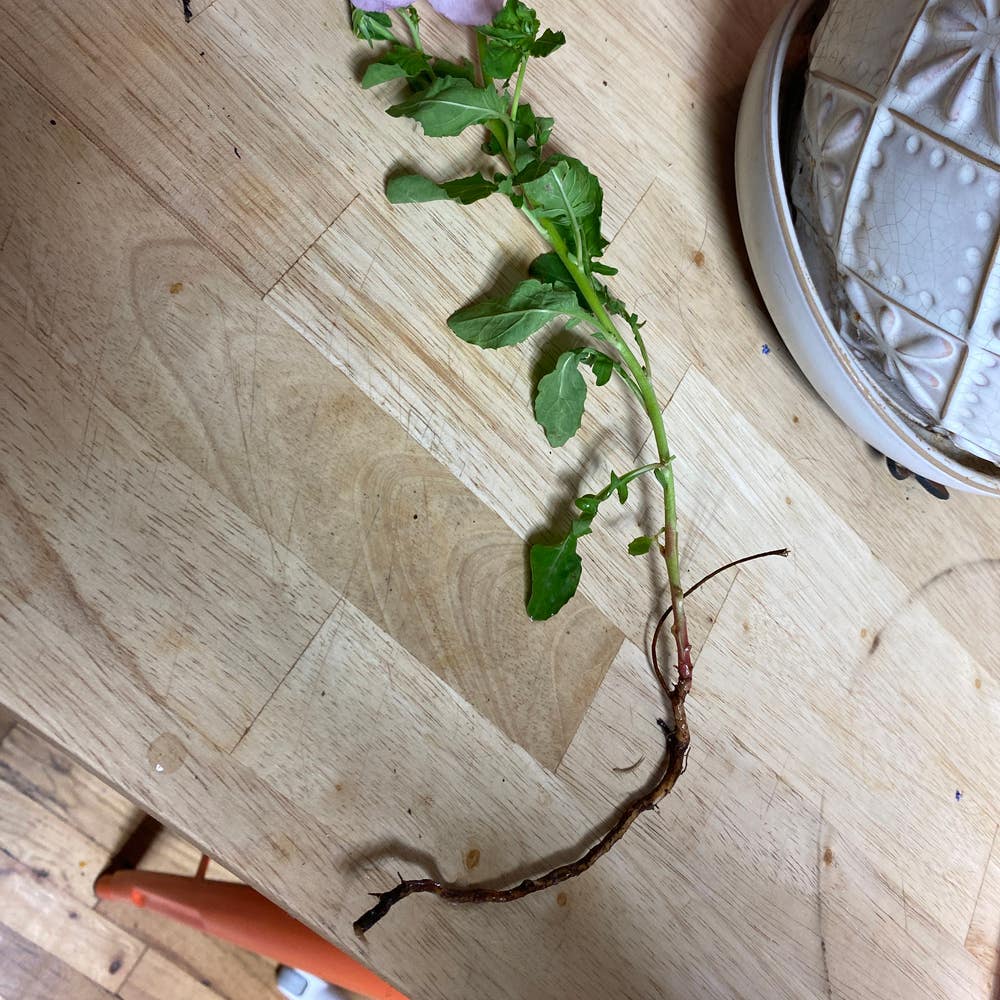
🦋 Best Tips for Healthy Whirling Butterflies Roots
Oenothera lindheimeri 'Whirling Butterflies'
By the Greg Editorial Team
Nov 08, 2024•6 min read
This article was created with the help of AI so we can cover more plants for you. May contain errors. See one? Report it here.
Master root care for Whirling Butterflies 🌱 to ensure vibrant growth and a flourishing garden! 🌼
- 🌱 Healthy Whirling Butterflies roots are crucial for nutrient and water uptake.
- 💧 Deep watering every 1-2 weeks promotes robust root growth without waterlogging.
- 🌿 Transplant in early spring or fall for optimal root establishment and growth.
Root System Characteristics
Type and Characteristics 🌱
Whirling Butterflies plants boast a fibrous root system, which is essential for their overall health. This type of root structure allows for efficient nutrient and water uptake, ensuring the plant thrives in various conditions.
Fibrous roots are adaptable, spreading deep and wide to access moisture and nutrients from the soil. This adaptability is crucial, especially in fluctuating environmental conditions, as it enhances the plant's resilience and growth potential.
Understanding these root characteristics is vital for anyone looking to cultivate healthy Whirling Butterflies. With the right care, these plants can flourish, showcasing their beauty and vitality.
As we delve deeper into the specifics of root depth, spread, and growth patterns, you'll discover how these factors contribute to the plant's overall success.
Root Depth, Spread, and Growth Patterns
Root Depth 🌱
The root system of whirling butterflies typically reaches a depth of 12 to 24 inches. This depth plays a crucial role in drought resistance, allowing the plant to access moisture from deeper soil layers when surface water is scarce.
Root Spread 🌍
With an average spread of 18 to 24 inches, the roots of whirling butterflies provide stability and enhance nutrient access. A wide root spread is essential for anchoring the plant and ensuring it can efficiently absorb water and nutrients from the surrounding soil.
Growth Patterns 🌼
Whirling butterflies exhibit active growth during the spring and summer months. Their growth patterns are responsive to environmental conditions, adapting to variations in soil moisture and nutrient availability to thrive in diverse settings.
Understanding these root characteristics is vital for promoting healthy plants. Next, we’ll explore how to care for these roots through proper watering, fertilizing, and transplanting techniques.
Watering, Fertilizing, and Transplanting
💧 Watering Needs
Proper watering is essential for the health of whirling butterflies roots. Aim to water every 1-2 weeks, adjusting based on the soil moisture levels.
Deep watering is key to encouraging robust root growth. This method allows water to penetrate deeper into the soil, promoting a strong root system while avoiding waterlogging, which can lead to root rot.
🌱 Fertilization Techniques
For optimal growth, use a balanced NPK fertilizer, such as 10-10-10, during the growing season. Fertilize in early spring and mid-summer to provide essential nutrients.
Pay attention to root health indicators when fertilizing. Signs of nutrient deficiency can guide you in adjusting your fertilization routine for better results.
🌼 Transplanting Best Practices
Timing is crucial when transplanting whirling butterflies. The best periods are early spring or fall, as these seasons provide ideal conditions for root establishment.
Follow these steps for successful transplanting:
- Prepare a new planting hole that is twice the size of the root ball.
- Gently remove the plant from its current pot, taking care not to damage the roots.
- Place the plant in the new hole and backfill with soil.
- Water thoroughly after transplanting to help settle the soil around the roots.
By following these watering, fertilizing, and transplanting practices, you can ensure your whirling butterflies thrive. Next, let’s explore common root-related issues and how to address them effectively.
Common Root-Related Issues
🕵️ Identifying and Solving Problems
Healthy roots are essential for thriving plants, but they can face several challenges. Common issues include root rot, pests, and nutrient deficiencies, each of which can significantly impact plant health.
Root rot is particularly insidious. Signs include yellowing leaves and wilting, even when you’re watering adequately. If you notice these symptoms, it’s time to take action.
To combat root rot, improving drainage is crucial. Ensure your pots have adequate holes and consider using a soil mix that promotes airflow. Adjusting your watering schedule can also help; let the soil dry out between waterings to prevent excess moisture.
🛡️ Preventative Measures
Prevention is always better than cure. Regularly checking soil moisture levels can help you catch issues before they escalate.
Using well-draining soil mixes is another effective strategy. This allows excess water to escape, reducing the risk of root rot.
Lastly, rotating planting locations can prevent soil depletion. This practice not only keeps your plants healthy but also enhances the overall vitality of your garden.
By staying vigilant and proactive, you can maintain robust root systems that support healthy, resilient plants. Next, let’s explore how to recognize root health through visual cues.
Recognizing Root Health
Visual Cues 🌱
Understanding root health is crucial for the vitality of your whirling butterflies. Healthy roots are typically white, firm, and spread evenly throughout the pot, indicating robust growth and nutrient uptake.
In contrast, unhealthy roots present a different story. If you notice brown, mushy roots or a foul smell, it's a clear sign that something is wrong, often pointing to overwatering or root rot.
Rootbound Conditions 🌿
Another important aspect to monitor is whether your plants are rootbound. Signs of rootbound plants include stunted growth and roots visibly growing out of drainage holes, which can severely hinder their development.
To maintain optimal health, address rootbound conditions every 1-2 years or as soon as you notice growth slowing. This proactive approach will help ensure your plants thrive and continue to flourish.
Recognizing these signs not only enhances your gardening skills but also fosters a deeper connection with your plants, paving the way for healthier growth and resilience.
Propagation and Division
🌱 Importance of Root Health
Healthy roots are the backbone of successful plant propagation. They not only support the plant but also play a vital role in establishing new plants.
✂️ Techniques for Division
The best time to divide your whirling butterflies is during early spring or fall. This timing ensures that the plants can recover quickly and thrive in their new locations.
Steps for Division
- Carefully dig up the plant: Use a spade or garden fork to gently lift the plant from the soil, taking care not to damage the roots.
- Separate the root ball: Divide the root ball into sections, ensuring each section has at least one healthy shoot attached.
- Replant immediately: Place the divided sections into suitable soil, ensuring they are planted at the same depth as before.
💧 Post-Division Care
After division, water the newly planted sections regularly to help them establish. Keep an eye on them for signs of stress, adjusting care as needed to ensure they thrive.
Understanding these techniques can significantly enhance your gardening success, allowing you to enjoy a flourishing garden filled with healthy plants. Now, let's explore how to recognize root health to maintain that success.
⚠️ Safety First
This content is for general information and may contain errors, omissions, or outdated details. It is not medical, veterinary advice, or an endorsement of therapeutic claims.
Always consult a qualified healthcare professional before using any plant as food, medicine, or supplement.
Never eat any plant (or feed one to pets) without confirming its identity with at least two trusted sources.
If you suspect poisoning, call Poison Control (800) 222-1222, the Pet Poison Helpline (800) 213-6680, or your local emergency service immediately.
Spotted an error? Please report it here.
Grow vibrant Whirling Butterflies 🌱 by using Greg's tailored watering reminders and expert tips to keep their roots healthy and thriving!