🦋 Why Whirling Butterflies Is Not an Annual
Oenothera lindheimeri 'Whirling Butterflies'
By the Greg Editorial Team
Nov 08, 2024•3 min read
This article was created with the help of AI so we can cover more plants for you. May contain errors. See one? Report it here.
Elevate your garden with Whirling Butterflies 🌼, a stunning perennial that blooms effortlessly year after year! 🌱
- 🌼 Whirling Butterflies is a perennial, thriving for multiple growing seasons, unlike annuals.
- 🌱 Deep roots enhance drought tolerance, allowing it to survive in low moisture.
- 🌸 Continuous blooms attract pollinators, making it a vibrant garden choice year-round.
Whirling Butterflies as a Perennial
🌱 Genetic Characteristics
Whirling Butterflies, scientifically known as Gomphrena haageana, is classified as a perennial plant. This classification stems from its unique genetic traits that enable it to survive and reproduce over multiple growing seasons.
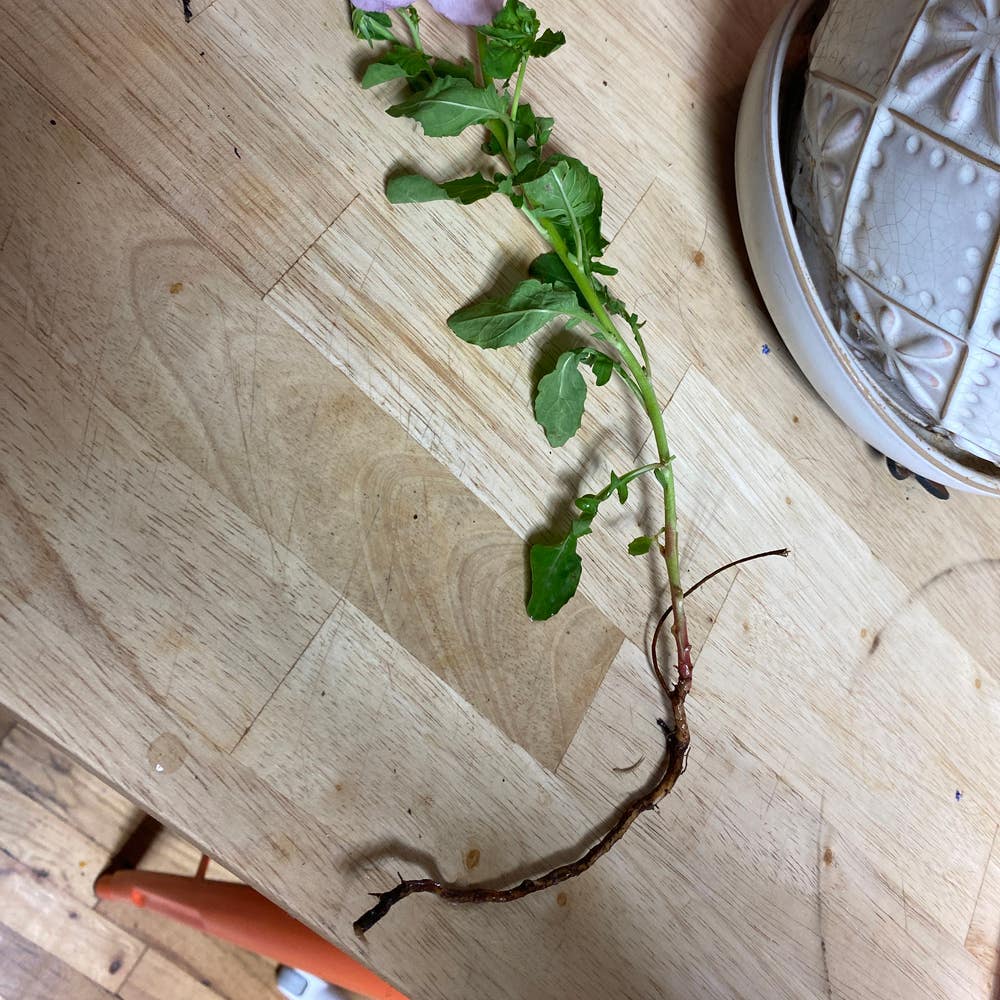
The plant's genetic adaptations include a robust root system that develops deep into the soil. These deep roots enhance drought tolerance, allowing Whirling Butterflies to thrive even in less-than-ideal moisture conditions.
🍃 Physiological Traits Supporting Perennial Growth
The leaf structure of Whirling Butterflies is another key factor in its perennial nature. Its leaves are specially adapted for optimal water retention and efficient photosynthesis, which are crucial for long-term survival.
Additionally, Whirling Butterflies boasts a remarkable flowering mechanism. It produces blooms continuously throughout the growing season, ensuring a vibrant display that attracts pollinators and enhances garden aesthetics.
🔄 Lifecycle and Growth Patterns
Understanding the lifecycle of Whirling Butterflies reveals its perennial characteristics. The lifecycle includes distinct phases: establishment, growth, flowering, and dormancy, each contributing to its longevity.
Unlike typical annuals that bloom in a single flush, Whirling Butterflies exhibits continuous flowering. With proper care, this plant can thrive year after year, making it a reliable choice for gardeners.
📊 Lifecycle Comparison with True Annuals
When comparing the lifecycle stages of Whirling Butterflies to true annuals, the differences become clear. Perennials like Whirling Butterflies have longer establishment phases, while annuals complete their lifecycle rapidly.
The duration of each stage also varies significantly. Perennials take their time to establish strong roots, whereas annuals rush to grow, flower, and produce seeds in one season. Whirling Butterflies employs a unique seed production strategy, allowing its seeds to remain dormant until conditions are favorable for germination.
🌼 Gardening Implications and Management Tips
Planting Whirling Butterflies offers several advantages for gardeners. It represents a long-term investment, providing beauty and ecological benefits without the need for replanting each year.
In terms of garden design, consider companion planting to enhance both aesthetics and plant health. Whirling Butterflies pairs well with other perennials, creating a lush, vibrant landscape.
To manage Whirling Butterflies effectively, focus on best practices such as proper watering techniques and maintaining soil health. Regular fertilization and strategic pruning can maximize growth and flowering.
Lastly, seasonal care is essential. Prepare for winter by ensuring the plant is well-established, and look forward to its spring awakening, which will bring renewed life to your garden.
With these insights, you can appreciate the unique qualities of Whirling Butterflies and how to cultivate them successfully in your garden.
⚠️ Safety First
This content is for general information and may contain errors, omissions, or outdated details. It is not medical, veterinary advice, or an endorsement of therapeutic claims.
Always consult a qualified healthcare professional before using any plant as food, medicine, or supplement.
Never eat any plant (or feed one to pets) without confirming its identity with at least two trusted sources.
If you suspect poisoning, call Poison Control (800) 222-1222, the Pet Poison Helpline (800) 213-6680, or your local emergency service immediately.
Spotted an error? Please report it here.
Unlock a vibrant garden year-round 🌼 with Greg's tailored watering and care reminders for your Whirling Butterflies, ensuring they flourish beautifully season after season!