Ultimate Guide to What's Eating Your Maidenhair Tree

Ginkgo biloba

By the Greg Editorial Team

Jul 29, 20244 min read

This article was created with the help of AI so we can cover more plants for you. May contain errors. See one? Report it here.

  1. ๐ŸฆŒ Deer, rabbits, rodents damage Maidenhair Trees, affecting growth and health.
  2. ๐Ÿšง Use barriers, repellents, and traps to protect trees from herbivores.
  3. ๐ŸŒณ๐Ÿ Seasonal care and ecosystem balance are key to Maidenhair Tree vitality.

Identifying Herbivore Damage

๐ŸฆŒ Deer Browsing

Deer leave a telltale mark on your Maidenhair Tree, often browsing on branches less than one inch in diameter. Look for:

  • Rough, torn, or shredded leaves and twigs, thanks to deer's lower incisors.
  • Bark damage from antler rubbing, especially in the fall.
  • Deer droppings, indicating their presence even without direct sighting of the animal.

The impact on tree health can range from mild to severe, potentially stunting growth or leading to secondary infections.

๐Ÿ‡ Rabbit Feeding

Rabbit damage is more subtle but can stress your Maidenhair Tree significantly. Signs include:

  • Clean cuts on branches and stems at a 45-degree angle.
  • Tooth marks the width of a spoon's tip on the bark.

Frequent rabbit visits can lead to reduced vigor and compromised structural integrity of younger trees.

๐Ÿ€ Rodent Gnawing

Rodents, such as mice and voles, target the Maidenhair Tree at its base. Evidence of rodent activity includes:

  • Gnaw marks resembling the tine of a fork.
  • Burrows or runways near the tree's base.

Rodent gnawing can girdle trees, disrupting nutrient flow and potentially killing the tree if left unchecked.

Deterrents and Management

๐ŸฆŒ Physical Barriers

Physical barriers are a gardener's first line of defense against larger herbivores. Here's how to use them effectively:

  • Install fences at least 8 feet tall to deter deer, known for their jumping abilities.
  • Use chicken wire or UV-protected plastic netting for smaller plants, preventing animals from reaching in without obstructing your view.
  • Consider double fencing, spaced 3-5 feet apart, to confuse deer which have poor depth perception.

๐ŸŒฟ Natural Repellents

Natural repellents can be a gardener's subtle shield against unwanted animal attention. To employ these:

  • Rotate different types of repellents, such as predator urine, blood meal, or hot pepper, to prevent animals from growing accustomed to them.
  • Apply repellents consistently, especially after rain, to maintain their effectiveness.
  • Companion planting with deer-resistant species can provide a natural and aesthetically pleasing deterrent.

๐Ÿญ Control Tactics

When it comes to control tactics, the key is to be humane and strategic:

  • Implement habitat alterations that make the environment less appealing to pests, like removing shelter or food sources.
  • Use humane traps to catch and relocate rodents, ensuring they are checked regularly to prevent distress.
  • Consider sensory deterrents like motion-activated lights to startle and discourage animals without causing harm.

Maidenhair Tree Appeal

๐Ÿƒ Attractive Features

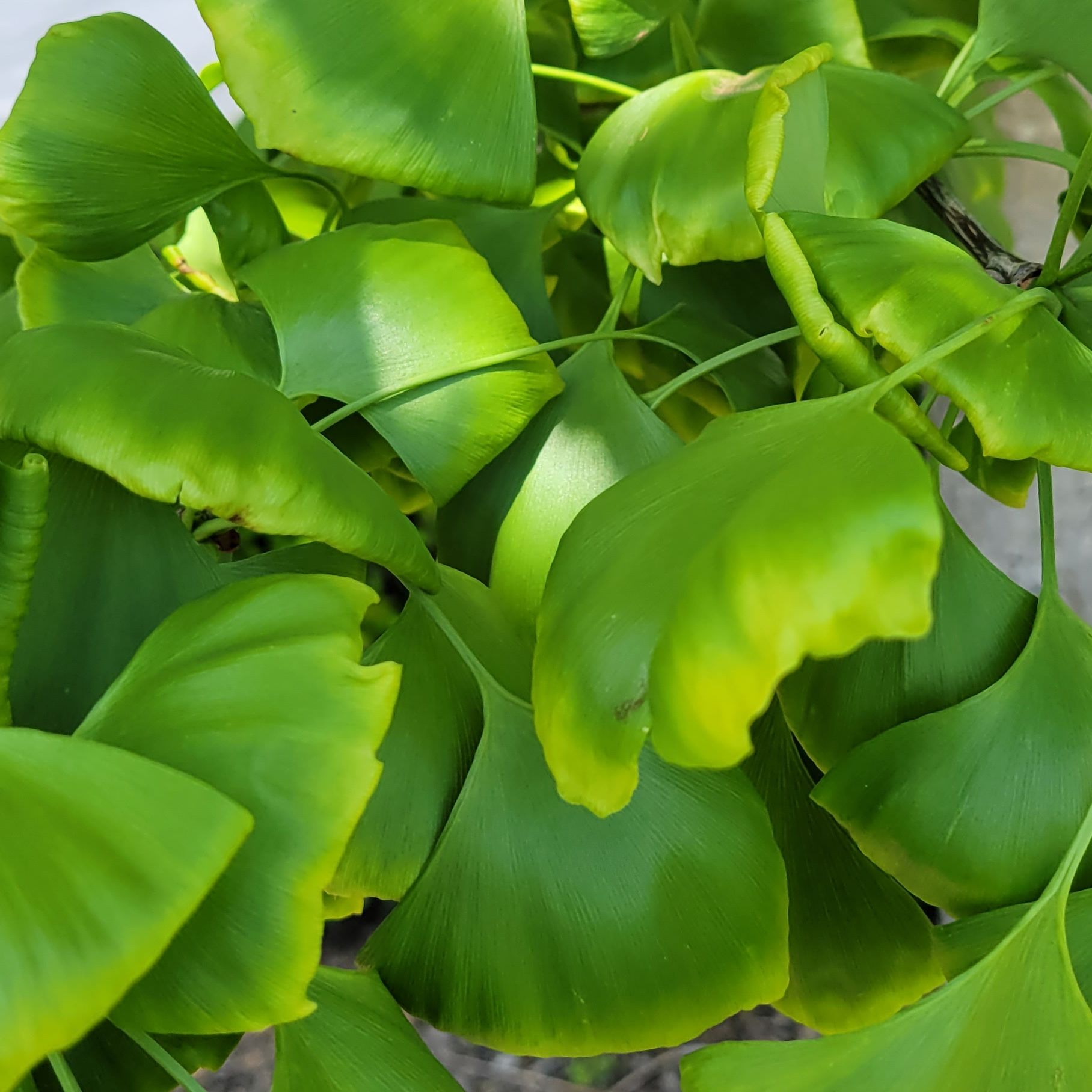
The Maidenhair Tree, with its unique fan-shaped foliage, stands out in any garden. Its leaves, a vibrant green with distinctive variegation, are not just visually appealing to us but also to a variety of garden fauna.

๐ŸŒธ Seasonal Considerations

As the seasons shift, so does the allure of the Maidenhair Tree to its animal admirers. Understanding these changes is key to protecting the tree throughout the year.

  • Spring: New growth and tender shoots are particularly tempting for nibbling.
  • Summer: Full, lush foliage may attract leaf-eaters and those seeking shade.
  • Autumn: If the tree produces seeds or fruit, it might draw in birds and other seed-eaters.
  • Winter: The tree's structure, including its bark, can become a focus for animals like rodents seeking sustenance or shelter.

Ecosystem Considerations

๐ŸŒฟ Balancing Interactions

Gardens are living tapestries where each thread, whether plant or animal, plays a crucial role. In the dance of the ecosystem, the Maidenhair Tree often sways to the tunes of various fauna. Here's how to weigh the pros and cons:

๐Ÿฆ‹ Beneficial Wildlife

The Maidenhair Tree is more than just a plant; it's a hub for garden biodiversity. Embracing beneficial wildlife can transform your garden into a vibrant sanctuary:

  • Pollinators: Bees, butterflies, and other insects drawn to the tree's flowers enhance pollination.
  • Birds: Avian visitors not only add melody to your garden but also help control pests.
  • Insects: A variety of insects attracted to the tree can contribute to a balanced ecosystem, keeping harmful pests in check.

โš ๏ธ Safety First

This content is for general information and may contain errors, omissions, or outdated details. It is not medical, veterinary advice, or an endorsement of therapeutic claims.

Always consult a qualified healthcare professional before using any plant as food, medicine, or supplement.

Never eat any plant (or feed one to pets) without confirming its identity with at least two trusted sources.

If you suspect poisoning, call Poison Control (800) 222-1222, the Pet Poison Helpline (800) 213-6680, or your local emergency service immediately.

Spotted an error? Please report it here.

Safeguard your Maidenhair Tree's fan-shaped leaves ๐Ÿ›ก๏ธ with Greg's tailored reminders for repellent application and vigilant checks against wildlife nibbles.