Plant Care
›
Propagation
›
Ginkgo Tree
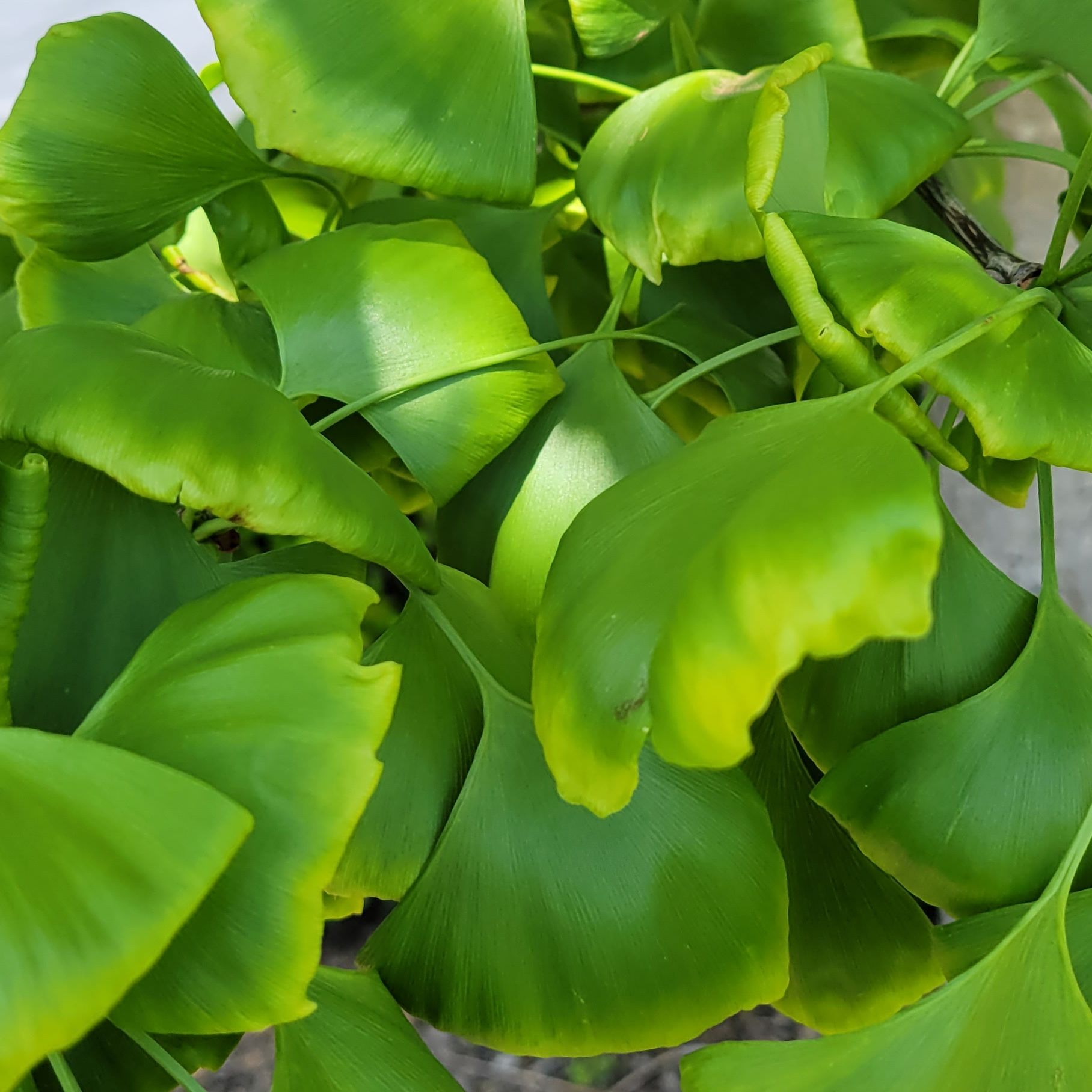
Ginkgo biloba
Reviewed by Kiersten Rankel M.S.
QUICK ANSWER
Hardwood cuttings taken in late fall root over winter in 12 to 16 weeks and let you clone a known male tree. Softwood cuttings in early summer root in 8 to 12 weeks under a humidity dome but have a moderate failure rate.
Seed propagation works in 12 to 18 months including stratification but produces unknown sex, which matters since female ginkgos drop foul smelling fruit.
Seed propagation works in 12 to 18 months including stratification but produces unknown sex, which matters since female ginkgos drop foul smelling fruit.
Stay on top of plant care
Get seasonal reminders for watering and fertilizing, personalized for your plants.
Try Greg Free
Pick your method
Tap one to jump to the walkthrough.
Hardwood cuttings
Best for cloning a known male tree
Softwood cuttings
Best in early summer with high humidity
From seed
Best for growing many trees but unknown sex
Hardwood cuttings
Time
12–16 weeks
Level
Intermediate
Success rate
Moderate
You'll need
Sterile pruners
Rooting hormone with IBA (recommended)
Deep tree pots or root trainers
Coarse perlite and pine bark mix
Cold frame or unheated garage
1
Take cuttings in late fall
Wait until the tree has dropped its leaves and gone fully dormant, usually November in zones 3 to 8. Select pencil thick wood from the previous summer's growth. Cut 8 to 10 inch sections with at least three buds per cutting.
2
Prepare the basal cut
Make the bottom cut at a 45 degree angle just below a node. Make the top cut flat, half an inch above a bud. The angled bottom helps you remember which end goes down and exposes more cambium for rooting.
3
Dip in rooting hormone
Ginkgo is famously slow to root, so IBA hormone makes a real difference. Dip the angled bottom inch into rooting powder and tap off the excess.
Without hormone, expect rooting rates well under 20 percent. With hormone, rates climb to 40 to 60 percent on a good batch.
Without hormone, expect rooting rates well under 20 percent. With hormone, rates climb to 40 to 60 percent on a good batch.
4
Stick into deep pots
Fill tree pots with a 50 50 mix of coarse perlite and pine bark fines. Push each cutting in three inches deep so two buds sit above the soil. Water once until it drains, then stop.
5
Overwinter cold and dry
Move the pots to a cold frame or unheated garage that stays between 30 and 45 degrees. Ginkgo needs cold to break dormancy and form callus over winter. Check every two weeks and water only if the medium feels bone dry.
6
Pot up in spring
When buds begin to swell in March or April, move pots to a sheltered spot outdoors. Tug gently after new leaves emerge. Resistance means roots have formed and the cutting can stay in its pot for the first growing season before transplanting.
WATCH FOR
Cuttings that push leaves but never form roots. The wood is using stored energy to leaf out and will collapse in early summer once reserves run out.
Check for white root tips through the drainage holes by mid May. No roots by then means the cutting failed and should be composted.
Check for white root tips through the drainage holes by mid May. No roots by then means the cutting failed and should be composted.
Softwood cuttings
Time
8–12 weeks
Level
Advanced
Success rate
Low
You'll need
Sterile bypass pruners
Rooting hormone with IBA (required)
4 inch pots with drainage
Perlite and peat mix (50/50)
Clear humidity dome or plastic bag
1
Cut in late spring
Take 4 to 6 inch tip cuttings from current season growth in late May or early June. The wood should bend without snapping but feel firm at the base. This semi hardened stage is the only window when ginkgo softwood will root at all.
2
Strip lower leaves
Remove all leaves from the bottom two thirds of the cutting. Leave two or three small leaves at the tip. Less leaf area means less water loss while roots form.
3
Dip and stick
Wet the bottom inch of the cutting and dip it into IBA rooting powder. Tap off excess and push the cutting one inch deep into the moist perlite peat mix. Firm the medium gently around the stem.
4
Cover with a humidity dome
Ginkgo softwood loses moisture fast and wilts within hours without high humidity. Place a clear dome or inverted plastic bag over the pot. Lift the dome for ten minutes daily to prevent fungal growth.
5
Keep warm and bright
Set the pot in bright indirect light at 70 to 75 degrees. Bottom heat from a propagation mat speeds rooting. Mist the inside of the dome whenever condensation drops below light fog.
6
Test for roots at 8 weeks
Give a gentle tug. Resistance means roots have formed. Remove the dome gradually over a week to harden off, then move outside in dappled shade for the rest of summer.
WATCH FOR
Wilting that does not recover after misting. The cutting cannot replace the water it is losing through the leaves. Once a softwood ginkgo cutting collapses, it does not bounce back, so toss it and start fresh.
From seed
Time
12–18 months
Level
Intermediate
Success rate
High
You'll need
Fresh ginkgo seeds (cleaned of fleshy coat)
Disposable gloves (the flesh is irritating)
Sandwich bags with damp peat moss
Refrigerator at 35 to 41 degrees
1 gallon nursery pots
1
Collect and clean seeds in fall
Gather fallen fruit from female trees in October or November. The flesh contains butyric acid and stinks like rancid butter, so wear gloves. Rub the fruit off in a bucket of water until only the cream colored nut remains.
2
Cold stratify for 60 days
Mix the cleaned seeds with damp peat moss in a sandwich bag. Refrigerate at 35 to 41 degrees for 60 to 90 days. This cold period mimics winter and breaks the seed's dormancy.
3
Sow in deep pots
After stratification, sow seeds one inch deep in 1 gallon pots filled with regular potting mix. Ginkgo sends down a long taproot fast, which is why deep pots matter from day one. Water until it drains.
4
Germinate at room temperature
Set pots in a bright spot at 65 to 75 degrees. Keep the soil evenly moist but never soggy. Germination takes 4 to 8 weeks. Some seeds may take a full second cold cycle, so do not toss pots that look empty by week 8.
5
Grow on outside
Once seedlings have four true leaves, harden them off and move them outside to a sheltered spot. They grow 6 to 12 inches the first year. Protect from rabbits and deer who love young ginkgo.
6
Transplant in year 2
After one full growing season in the pot, transplant to the permanent location in early spring while still dormant. The taproot is deep by now, so dig a generous hole. Sex of the tree is not visible until it is 20 to 30 years old.
WATCH FOR
Seedlings that yellow and stall after the first set of true leaves. Ginkgo dislikes wet feet at any age. Let the soil surface dry to the touch between waterings and check that the pot drains freely before watering again.
Stay on top of plant care
Get seasonal reminders for watering and fertilizing, personalized for your plants.
Try Greg Free
About This Article

Kiersten Rankel M.S.
Botanical Data Lead at Greg · Plant Scientist
Editorial Process
Propagation methods verified against Ginkgo biloba growth data from Greg's botanical database, cross-referenced with USDA hardiness zone data and published horticultural research.
303+ Greg users growing this plant
USDA hardiness zones 3a–8b