Identifying What is Eating Your Lipstick Plant 🐛
Aeschynanthus pulcher
By the Greg Editorial Team
Nov 25, 2024•7 min read
This article was created with the help of AI so we can cover more plants for you. May contain errors. See one? Report it here.
- 🌼 Lipstick Plants attract pollinators like bees, enhancing garden biodiversity.
- 🦌 Deer and rabbits can damage Lipstick Plants; use repellents to protect them.
- 🐦 Birds can harm flowers; netting and sprays can safeguard your plants.
Description and Appeal
The Lipstick Plant is a stunning addition to any garden, known for its vibrant, tubular flowers that bloom in shades of red, orange, and yellow. These eye-catching colors not only brighten up your space but also serve a purpose by attracting various pollinators.
🌿 Foliage and Growth Habit
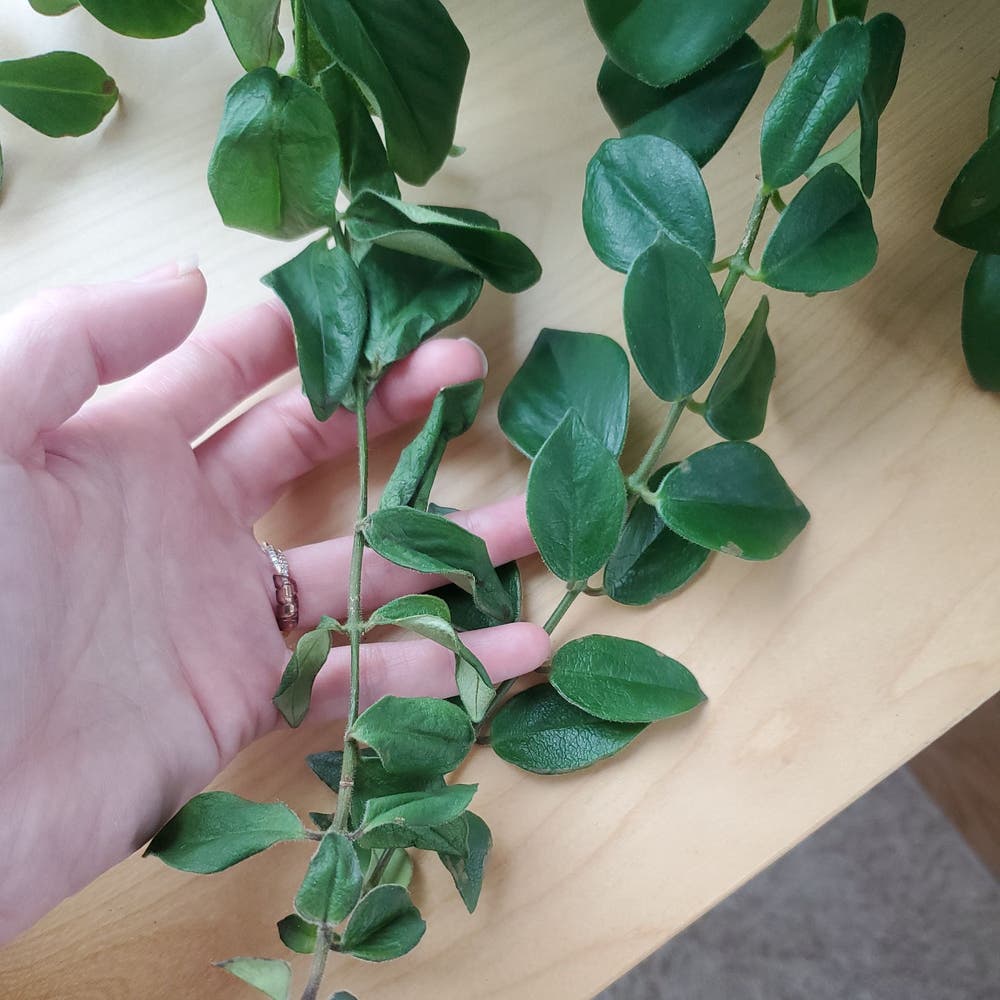
In addition to its striking flowers, the Lipstick Plant features glossy, dark green leaves that cascade gracefully, creating a lush, trailing growth habit. This combination of color and texture makes it a favorite among plant enthusiasts.
🐦 Appeal to Animals
The Lipstick Plant's allure extends beyond human appreciation. Its bright flowers are irresistible to pollinators and herbivores alike.
- Flowers: The vivid colors draw in bees, butterflies, and other beneficial insects, enhancing the garden's ecosystem.
- Young Shoots: Tender and nutritious, these new growths are particularly appealing to a variety of animals looking for a fresh snack.
- Fruits: The small, berry-like structures that develop later can attract birds and other wildlife, further enriching the garden's biodiversity.
Understanding the appeal of the Lipstick Plant helps gardeners appreciate its role in the ecosystem while also preparing for potential challenges from herbivores. As we explore the common herbivores that may be drawn to this beautiful plant, we can better protect our green companions.
Common Herbivores
🦌 Deer
Signs of presence and damage caused
Deer can leave clear signs of their presence around your Lipstick Plant. Look for hoof prints in soft soil or mulch, and check for irregularly torn leaves and stems that indicate browsing.
Interaction type
Deer are generally harmful to your plants. If not managed, they can severely damage or even kill your Lipstick Plant.
Deterrent methods
To keep deer at bay, consider using chemical repellents with strong scents. Alternatively, homemade solutions like garlic or hot pepper spray can be effective and are easy to apply.
🐇 Rabbits
Signs of presence and damage caused
Rabbits are another common threat. You might notice small, round droppings near the plant, along with cleanly cut stems and leaves, often at ground level.
Interaction type
Rabbits can be particularly harmful, as they can decimate young plants and new growth if left unchecked.
Deterrent methods
For easy deterrence, use bitter-tasting sprays as chemical repellents. Companion planting with marigolds or installing fencing can also help keep these critters away.
🐿️ Squirrels
Signs of presence and damage caused
Squirrels leave their mark by chewing on stems and leaves. You may also find evidence of nests nearby in trees or structures.
Interaction type
These furry pests can cause significant damage to flowers and fruits, making them generally harmful to your Lipstick Plant.
Deterrent methods
Capsaicin-based sprays serve as effective chemical repellents against squirrels. Additionally, scare tactics like reflective materials or noise-making devices can help deter them.
🐦 Birds
Signs of presence and damage caused
Birds can be both friends and foes. Look for pecked flowers and fruits, which indicate feeding, as well as nests built nearby.
Interaction type
While birds can be beneficial for pollination and seed dispersal, they can also damage flowers, making their interaction generally beneficial but occasionally harmful.
Deterrent methods
Non-toxic bird deterrent sprays can help protect your plants. You can also use netting or reflective tape to discourage feeding.
🐭 Rodents
Signs of presence and damage caused
Rodents leave gnaw marks on stems and leaves, indicating feeding activity. You may also find small burrows near the plant.
Interaction type
These pests are generally harmful, as they can cause extensive damage to roots and stems.
Deterrent methods
Rodent-specific repellents are available for chemical deterrence. For organic solutions, consider traps or encouraging natural predators like cats or owls.
🦡 Groundhogs/Woodchucks
Signs of presence and damage caused
Groundhogs leave large burrows as evidence of nesting nearby. They also cause significant chewing on stems and leaves, often at ground level.
Interaction type
These animals can be particularly destructive, as they can completely destroy young plants.
Deterrent methods
To deter groundhogs, use strong-smelling substances like castor oil as chemical repellents. Installing fencing at least 3 feet high and using motion-activated sprinklers can also be effective.
Understanding these common herbivores and their interactions with your Lipstick Plant is crucial for maintaining its health. With the right deterrent methods, you can protect your plant and enjoy its vibrant beauty for years to come.
Beneficial Animals and Ecological Role
🐝 Description of Beneficial Animals Attracted to Lipstick Plant
The Lipstick Plant is a magnet for beneficial animals, particularly pollinators like bees and butterflies. These vibrant flowers not only brighten your garden but also play a crucial role in attracting these essential creatures.
Birds are another group that finds the Lipstick Plant appealing. They contribute significantly to seed dispersal and help control pest populations, creating a balanced ecosystem in your garden.
🌍 Positive Impacts on the Garden Ecosystem
By attracting a variety of beneficial insects and animals, the Lipstick Plant enhances biodiversity. This diversity is vital for a healthy garden, as it supports various life forms and promotes ecological stability.
Moreover, the presence of these beneficial animals leads to natural pest control. Predators like birds and beneficial insects help keep harmful pest populations in check, reducing the need for chemical interventions and fostering a more sustainable gardening practice.
Incorporating the Lipstick Plant into your garden not only beautifies the space but also nurtures a thriving ecosystem. As you cultivate this plant, you're not just caring for it; you're also supporting the intricate web of life that surrounds it.
General Strategies for Protection
🛡️ Preventive Measures for Protecting Lipstick Plant
Regular monitoring is key to keeping your Lipstick Plant safe. Inspect your plants frequently for any signs of herbivore damage, such as chewed leaves or missing flowers.
Companion planting can also be a game-changer. By introducing plants that deter herbivores or attract beneficial insects, you can create a more resilient garden ecosystem.
⚠️ Reactive Solutions for Managing Animal Interactions
When you notice signs of damage, it’s crucial to take immediate action. Implement deterrents right away to protect your plants from further harm.
Adjust your strategies seasonally to align with animal behavior. Different times of the year bring varying levels of activity from herbivores, so stay flexible in your approach.
🌱 Seasonal Variations in Animal Attraction to Lipstick Plant
In spring, expect increased activity from rabbits and deer as they seek out fresh growth. This is when your Lipstick Plant may be most vulnerable.
Summer brings its own challenges, with birds flocking to the vibrant flowers and fruits. Squirrels may also become more active, so be prepared to adapt your protection methods accordingly.
By understanding these dynamics, you can better safeguard your Lipstick Plant while enjoying its beauty. Now, let’s explore the toxicity and safety of this fascinating plant.
Toxicity and Safety
🐾 Understanding Toxicity of Lipstick Plant
The Lipstick Plant is generally considered non-toxic to animals. However, if consumed in large quantities, it may cause mild gastrointestinal upset in some pets.
🦙 Implications for Herbivores
It's essential for gardeners to be aware of the potential risks associated with herbivores consuming this plant. Educating yourself and others about the effects can help protect local wildlife while ensuring your Lipstick Plant thrives.
⚖️ Balancing Protection and Ecology
While it's crucial to safeguard your plants, it's equally important to recognize the role of herbivores in the ecosystem. Striking a balance between plant protection and ecological considerations can lead to a healthier garden environment.
In summary, understanding the toxicity of the Lipstick Plant helps you manage its interactions with local wildlife effectively. This knowledge empowers you to create a thriving garden that respects both your plants and the animals that inhabit it.
⚠️ Safety First
This content is for general information and may contain errors, omissions, or outdated details. It is not medical, veterinary advice, or an endorsement of therapeutic claims.
Always consult a qualified healthcare professional before using any plant as food, medicine, or supplement.
Never eat any plant (or feed one to pets) without confirming its identity with at least two trusted sources.
If you suspect poisoning, call Poison Control (800) 222-1222, the Pet Poison Helpline (800) 213-6680, or your local emergency service immediately.
Spotted an error? Please report it here.
Safeguard your Lipstick Plant's vibrant beauty 🌺 with Greg's personalized care tips and reminders to keep herbivores away and ensure it thrives!