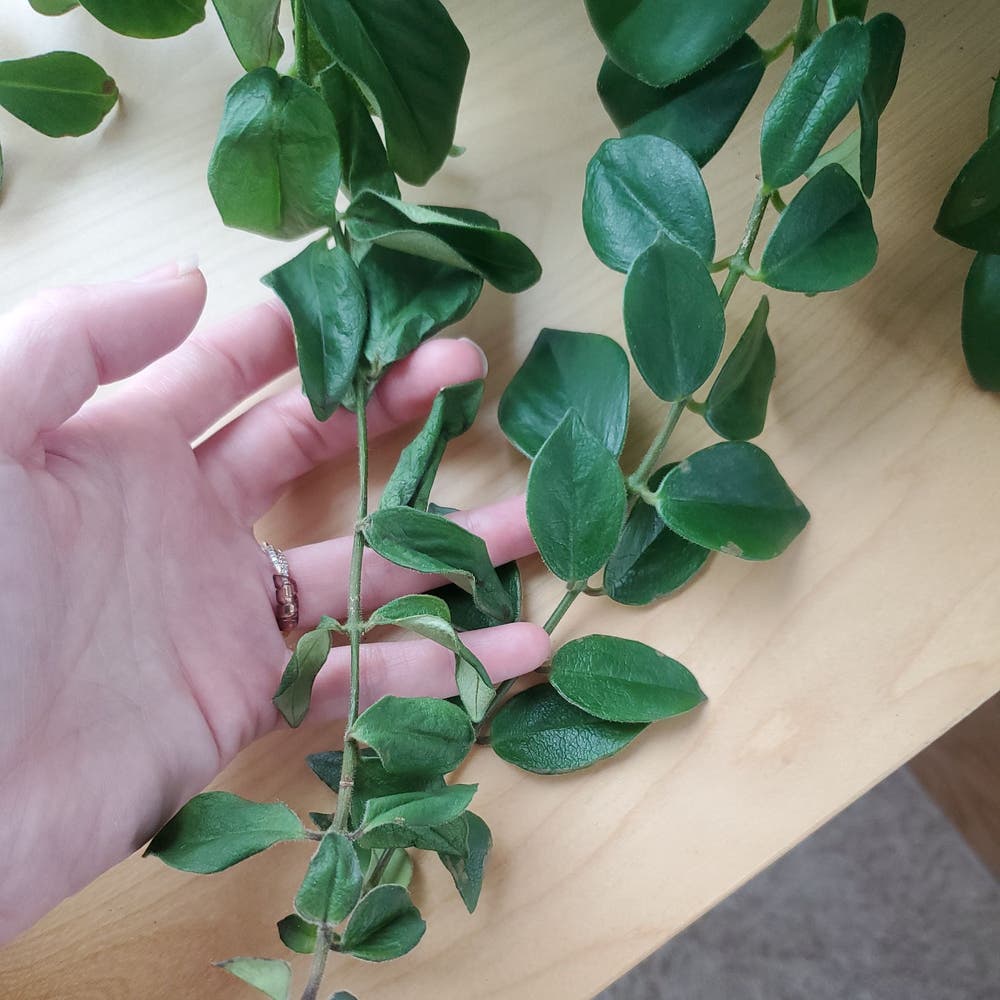
💄 What to Do About Your Lipstick Plant Wilting
Aeschynanthus pulcher
By the Greg Editorial Team
Nov 25, 2024•6 min read
This article was created with the help of AI so we can cover more plants for you. May contain errors. See one? Report it here.
- 💧 Wilting in Lipstick Plants often results from water stress, heat, or disease.
- 🌡️ Heat stress causes limp leaves; relocate to cooler, bright areas for relief.
- 🌱 Check soil moisture regularly to prevent overwatering or underwatering issues.
Common Causes of Wilting Leaves
💧 Water Stress
Water stress is a primary reason your Lipstick Plant may be wilting.
Overwatering can lead to yellowing leaves and soggy soil, creating a perfect environment for root rot.
On the flip side, underwatering results in dry, crispy leaves and soil that pulls away from the pot edges.
🌡️ Heat Stress
Heat stress can also take a toll on your plant's health.
When exposed to high temperatures, leaves may become limp and droopy, especially if they’re in direct sunlight.
Sudden temperature changes can shock the plant, causing it to wilt unexpectedly.
🦠 Disease-Related Wilting
While less common, disease-related wilting can occur.
Pathogenic wilt is rare in Lipstick Plants, as environmental factors usually play a larger role.
However, if you notice dark spots on leaves, mushy stems, or a foul odor from the soil, these could be signs of disease-related issues.
Understanding these causes is crucial for effective plant care.
By identifying the underlying issues, you can take the necessary steps to revive your wilting Lipstick Plant.
Next, let’s explore how to diagnose wilting effectively.
Diagnosing Wilting
📝 Step-by-Step Guide
Diagnosing wilting in your Lipstick Plant starts with assessing soil moisture. Use your finger to check the top inch of soil; it should feel either dry or soggy.
Next, check the environmental conditions. Measure the temperature and humidity levels in the plant's location to ensure they are within the ideal range.
Inspect the leaves and stems for any discoloration, spots, or signs of pests. These visual cues can provide critical insights into the plant's health.
Finally, evaluate your watering habits. Review your watering schedule and adjust as necessary to meet the plant's needs.
🔍 Signs to Look for
Pay attention to leaf color changes, such as yellowing or browning tips. These changes often indicate underlying water issues.
Also, consider the leaf texture. Softness may suggest overwatering, while crispiness can point to underwatering.
Overall plant posture is another key indicator. Drooping vines or leaves are clear signs that your plant needs immediate attention.
By carefully observing these signs and following the diagnostic steps, you can effectively identify the cause of wilting and take appropriate action. This proactive approach will help ensure your Lipstick Plant thrives in the long run.
Solutions for Wilting Leaves
💧 Actionable Advice for Water Stress
Wilting leaves often signal water stress, which can stem from either overwatering or underwatering.
For overwatering, allow the soil to dry out completely before watering again; consider repotting in fresh, well-draining soil to prevent future issues.
In cases of underwatering, water the plant thoroughly until excess drains out, ensuring consistent moisture moving forward to keep your Lipstick Plant thriving.
🌡️ Actionable Advice for Heat Stress
Heat stress can also lead to wilting, especially if your plant is exposed to high temperatures or direct sunlight.
To combat this, relocate the plant to a cooler area with bright, indirect light, and avoid placing it near heat sources like radiators or vents.
Additionally, increasing humidity can help; consider using a humidity tray or misting the plant regularly to create a more favorable environment.
🦠 Actionable Advice for Disease-Related Wilting
If you suspect disease-related wilting, it's crucial to act quickly.
Start by removing any affected leaves and stems to prevent the spread of pathogens; treating with appropriate fungicides may also be necessary.
Ensure proper air circulation around the plant to minimize the risk of fungal growth, keeping your Lipstick Plant healthy and vibrant.
With these actionable solutions, you can effectively address wilting leaves and restore your plant's vitality. Next, let’s explore preventive measures to minimize future wilting episodes.
Preventive Measures
Tips to Minimize Future Wilting Episodes 🌱
To keep your Lipstick Plant thriving, regularly check the soil moisture. Adjust your watering frequency according to the seasons to ensure your plant gets just the right amount of hydration.
Stable temperature and humidity are key. Aim for a comfortable range of 60°F to 80°F (15°C to 27°C) and maintain humidity levels between 50-70% for optimal growth.
Environmental Adjustments 🏡
Placement matters! Position your plant in a spot with bright, indirect light to help prevent heat stress.
Also, be mindful of drafts and sudden temperature changes. Keep your plant away from windows and doors to create a more stable environment.
By taking these preventive measures, you can significantly reduce the chances of your Lipstick Plant wilting. This proactive approach not only enhances its health but also enriches your indoor space with vibrant greenery.
Next, let’s explore effective solutions for reviving a wilted plant.
Reviving a Wilted Plant
🌊 Techniques for Bottom Watering
One effective method to revive your wilting Lipstick Plant is bottom watering. Simply fill a tray with water and place the pot in it for about 30 minutes. This allows the soil to absorb moisture from the bottom, ensuring that the roots get the hydration they need without risking overwatering.
🚚 Relocation Strategies
If your plant is struggling, consider relocating it to a more suitable environment. Aim for a spot with stable temperature and humidity levels. If natural light is lacking, using a grow light can help provide the necessary brightness for recovery.
✂️ Pruning Damaged Leaves
Pruning is another crucial step in revitalizing your plant. Use clean, sharp scissors to remove any wilted or damaged leaves. This not only improves the plant's appearance but also encourages new growth, helping your Lipstick Plant bounce back to health.
Reviving a wilted plant requires a combination of proper watering techniques, environmental adjustments, and careful pruning. By following these steps, you can set your plant on the path to recovery and ensure it thrives in the future. Next, let’s explore when it’s time to seek help for your plant care challenges.
When to Seek Help
🚨 Signs That Require Expert Assistance
If your Lipstick Plant continues to wilt despite your best care efforts, it may signal deeper issues. Persistent wilting can indicate problems that go beyond basic watering or environmental adjustments.
Look out for unusual symptoms, such as blackened stems or a foul smell emanating from the soil. These signs often suggest serious underlying conditions that need immediate attention.
🛠️ Resources for Assistance
When in doubt, don't hesitate to consult a local nursery. They can provide expert advice and help diagnose any potential issues with your plant.
For severe cases, reaching out to a plant expert can be invaluable. They possess the knowledge to tackle complex problems that may be affecting your Lipstick Plant.
Additionally, consider engaging with online communities, like Greg, where fellow plant enthusiasts share insights and support. These platforms can offer practical advice and solutions tailored to your specific situation.
As you navigate the challenges of plant care, remember that seeking help is a sign of a dedicated plant parent. Your Lipstick Plant deserves the best, and sometimes that means reaching out for expert guidance.
⚠️ Safety First
This content is for general information and may contain errors, omissions, or outdated details. It is not medical, veterinary advice, or an endorsement of therapeutic claims.
Always consult a qualified healthcare professional before using any plant as food, medicine, or supplement.
Never eat any plant (or feed one to pets) without confirming its identity with at least two trusted sources.
If you suspect poisoning, call Poison Control (800) 222-1222, the Pet Poison Helpline (800) 213-6680, or your local emergency service immediately.
Spotted an error? Please report it here.
Revive your wilting Lipstick Plant by mastering watering techniques and maintaining ideal conditions, and let Greg guide you with tailored reminders and expert community support for a thriving plant! 🌿