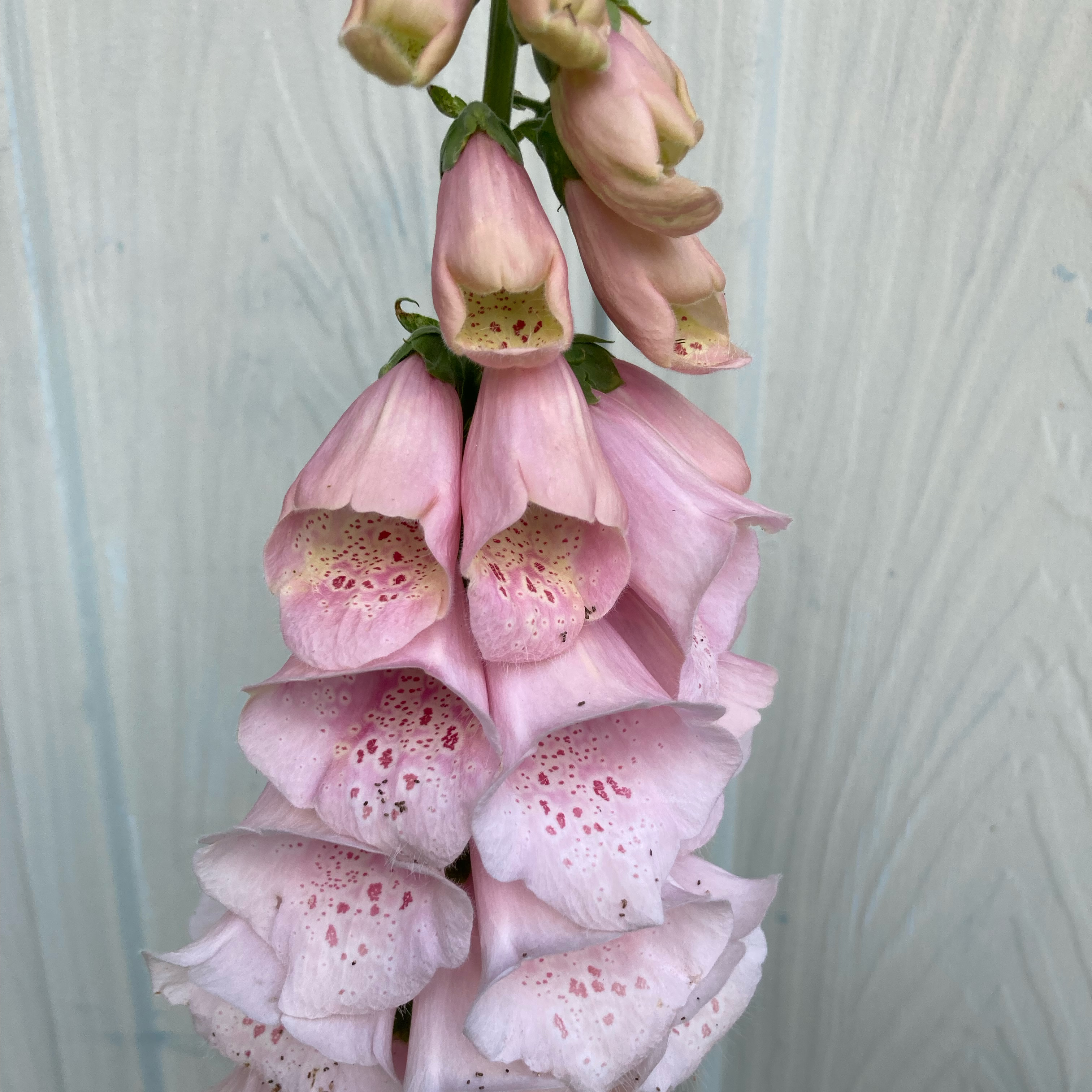
What's Eating Your Common Foxglove

Digitalis purpurea

By the Greg Editorial Team

Jul 25, 20249 min read

This article was created with the help of AI so we can cover more plants for you. May contain errors. See one? Report it here.

Safeguard your foxglove's beauty 🌺 and navigate garden wildlife with savvy, eco-friendly strategies.

  1. Deer, rabbits, squirrelsβ€”identify and manage these critters munching on your foxglove.
  2. Protective measures are key: learn strategies to safeguard your foxglove from wildlife.
  3. Balance is crucial: understand foxglove's ecosystem role while maintaining plant health.

Deer Interactions

Deer can be both a majestic sight in the garden and a source of frustration when they target your common foxglove. Here's how to spot their handiwork and what you can do about it.

🦌 Identifying Deer Damage

  • Look for jagged or torn leaves and stems; deer tear plants when eating because they lack upper incisors.
  • Check for hoof prints around your foxglove or trampled nearby vegetation.

🌸 The Impact of Deer on Foxglove

  • Deer browsing can stunt growth, reduce flowering, and in severe cases, kill young foxglove plants.
  • Antler rubbing on stems and bark during the fall can cause significant structural damage.

🚫 Deer Deterrence Strategies

  • Employ a mix of deterrents: odor repellents, taste aversions, and physical barriers like netting.
  • Consider planting deer-resistant companions around your foxglove to create a natural deterrent.
  • Be proactive; it's easier to prevent a habit than to break one. Start deterrents early, before damage is significant.

Rabbit Challenges

Rabbits, with their penchant for nibbling on tender shoots and leaves, can pose a real challenge for Common Foxglove enthusiasts. Spotting the signs of their feasting is key to taking timely action.

Signs of Rabbit Feasting πŸ‡

  • Look for clean-cut damage on leaves and stems, typically at a 45-degree angle.
  • Small, round droppings and fur tufts can often be found near the damaged flora.

Assessing Rabbit Harm 🐰

  • Evaluate the extent of damage: Is it limited to a few leaves, or are entire plants being decimated?
  • Consider the plant's stage of growth; young foxgloves are more vulnerable and may not recover from severe rabbit browsing.

Rabbit Control Techniques πŸ₯•

To protect your foxgloves, consider these strategies:

  • Fencing: Erect a mesh fence at least 2 feet high and buried several inches underground to prevent digging.
  • Habitat modification: Clear away brush and debris to reduce rabbit hiding spots.
  • Repellents: Apply taste repellents that contain putrescent whole-egg solids to deter rabbits without harming them.
  • Live trapping: Use fresh vegetables or apples as bait, but be aware of local wildlife regulations regarding rabbit relocation.
  • Plant rabbit-resistant flora around your foxgloves to create a less appealing environment for these herbivores.

Remember, while rabbits can cause significant plant damage, they're also part of the local ecosystem. Balancing their presence with the health of your foxgloves can be achieved through thoughtful, humane control methods.

Squirrel Activity

Detecting the presence of squirrels around your common foxglove is the first step in managing their activity. Look for these telltale signs:

  • Nibbled flowers or leaves, often with a distinctive pattern
  • Scattered digging spots in the soil around the plants
  • Twigs and branch tips on the ground, indicating nest-building efforts

🐿️ Squirrels: Friends or Foes?

Squirrels can be both beneficial and problematic for your garden. They:

🌲 Squirrel Management Options

To keep these agile critters in check, consider these strategies:

  • Use physical barriers such as mesh enclosures to protect your plants
  • Employ motion-activated sprinklers to startle and deter squirrels
  • Avoid poisons and inhumane traps; instead, opt for natural repellents or live trapping followed by consultation with wildlife authorities for relocation guidelines

Bird Visitation

Birds can leave a distinct mark on your foxglove garden. Look for pecked flowers, missing berries, or droppings as telltale signs of their presence. These feathered visitors are often drawn to the plant's vibrant blooms and potential seed feast.

🦜 Bird Damage Indicators

  • Pecked or damaged petals and leaves
  • Berries that appear nibbled or are missing
  • Accumulation of bird droppings around the plant base

Birds play a dual role in the life of your foxglove. While they may occasionally damage plants, they are also crucial pollinators and seed dispersers. Their interaction with the plant can be largely beneficial, contributing to the health and propagation of foxglove populations.

πŸ•Š Birds' Role in Foxglove Health

  • Pollination assistance, enhancing plant reproduction
  • Seed dispersal, aiding in the spread of foxglove

Protecting your foxglove from excessive bird damage can be achieved through a variety of methods. Consider bird netting or scare tactics, but always balance these measures with the need to support local wildlife.

πŸ¦… Protecting Foxglove from Birds

  • Install bird netting to physically block access
  • Use reflective scare tape to deter birds
  • Provide alternative food sources to divert attention away from foxgloves

Rodent Issues

Rodents can be stealthy pests in the garden, often leaving behind subtle signs of their presence. Recognizing these signs is the first step to protecting your foxgloves.

  • Look for gnaw marks on stems and leaves, indicative of rodent feasting.
  • Small, round holes in the soil near your plants may signal burrowing activity.
  • Disturbed mulch or plant debris can also hint at rodent visits during the night.

The impact of rodents on foxglove can be more than just cosmetic.

  • Rodents may cause severe damage by chewing on the base of the plant, potentially leading to its death.
  • They can also be vectors for diseases, further endangering the health of your foxgloves.

When it comes to deterring these critters, a variety of methods can be employed.

  • Physical barriers, such as wire mesh around the base of plants, can prevent access.
  • Repellents like peppermint oil can be used to create an unwelcoming environment for rodents.
  • For a more hands-off approach, consider placing bait stations strategically around the garden's perimeter.

Remember, while rodents can be problematic, they are a part of our ecosystem. Striking a balance between deterrence and coexistence is key to a thriving garden.

Groundhog and Woodchuck Threats

Groundhogs and woodchucks, while often charming in appearance, can pose a real threat to your foxglove. Look for signs like trampled foliage or plants nibbled close to the groundβ€”classic indicators of these burrowers' presence.

  • Trampled foliage
  • Nibbled plants near the ground
  • Damage to root systems from burrowing

The impact of these critters extends beyond mere aesthetics. Their burrowing can disturb the root systems, and their feeding habits can severely stunt the growth or even kill your foxgloves.

To protect your plants, consider these exclusion techniques:

  • Fencing: A sturdy fence buried a few feet into the ground can discourage digging.
  • Repellents: Natural or chemical repellents can deter groundhogs, though their effectiveness may vary.
  • Live trapping: This humane option allows for the relocation of the animal, though it should be done in accordance with local wildlife regulations.

Remember, while these animals can be a nuisance, they're also part of the local ecosystem. Balancing their management with ecological mindfulness is key.

Beneficial Fauna

Pollinators and beneficial insects are unsung heroes in the garden, vital to the health and beauty of plants like the Common Foxglove.

🐝 Pollinators: Bees and Butterflies

  • Bees, with their intricate dances, are master pollinators, ensuring the reproduction of many plants.
  • Butterflies add a splash of color and are equally important in the pollination process.
  • Both favor the tubular blossoms of the foxglove, which are perfectly shaped for their feeding habits.

🐞 Other Beneficial Insects and Their Roles

  • Ladybugs and praying mantises are natural predators, keeping harmful insect populations in check.
  • Bees and butterflies also require water sources, so including features like bird baths can support their hydration needs.
  • By planting a variety of flowering plants, you ensure a steady food supply for these insects throughout the growing season.

Plant Protection Strategies

Preventive measures are your first line of defense in safeguarding Common Foxglove. By anticipating problems, you can keep your foxgloves thriving and minimize the need for reactive solutions.

  • Preventive Measures for Foxglove Safety:

When prevention falls short, having a set of reactive solutions at the ready is crucial. It's about acting swiftly and effectively to minimize damage.

  • Reactive Solutions to Animal Damage:
    • Remove any affected plant parts to prevent the spread of damage.
    • Use targeted organic or chemical treatments as a last resort, ensuring they are safe for the plant and the environment.
    • Consult with local gardening experts or extension services for tailored advice.

Foxglove's beauty comes with a hidden danger: its toxicity. Addressing this concern is essential for the safety of both wildlife and pets.

Ecological Considerations

Foxglove's vibrant blooms are more than just eye candy in your garden; they're pivotal in local ecosystems. They beckon a host of pollinators, from bees to hummingbirds, stitching together the fabric of life around them.

  • Understanding Foxglove's Role in the Ecosystem 🌺 Foxglove stands as a pillar in the garden ecosystem, attracting beneficial pollinators and maintaining biodiversity. It's a biennial beacon that, through its flowers, offers nectar and pollen to bees and butterflies, crucial for pollination and the survival of many plant species. Moreover, its relationship with mycorrhizal fungi exemplifies nature's mutualistic partnerships, enhancing nutrient uptake for a healthier plant community.

  • Balancing Animal Interactions and Plant Health 🦑 While foxglove is a friend to many, it's also a fortress. Its toxicity deters herbivores like deer and rabbits, safeguarding your garden's diversity. Yet, this same trait demands responsible gardening practices to ensure the safety of children and pets. Balancing these interactions involves:

By understanding and respecting foxglove's ecological role, gardeners can nurture a thriving, balanced habitat that respects the plant's power and protects its visitors.

⚠️ Safety First

This content is for general information and may contain errors, omissions, or outdated details. It is not medical, veterinary advice, or an endorsement of therapeutic claims.

Always consult a qualified healthcare professional before using any plant as food, medicine, or supplement.

Never eat any plant (or feed one to pets) without confirming its identity with at least two trusted sources.

If you suspect poisoning, call Poison Control (800) 222-1222, the Pet Poison Helpline (800) 213-6680, or your local emergency service immediately.

Spotted an error? Please report it here.

Keep your common foxglove 🌱 thriving by using Greg to swiftly tackle any pesky intruders with spot-on care advice.