Identifying What is Eating Your Foxglove π
Digitalis purpurea
By the Greg Editorial Team
Oct 09, 2024•6 min read
This article was created with the help of AI so we can cover more plants for you. May contain errors. See one? Report it here.
Safeguard your beautiful foxglove blooms πΈ from hungry herbivores with these essential gardening strategies!
- πΈ Foxglove attracts herbivores like deer and rabbits due to its tender shoots.
- π¦ Signs of deer damage include hoof prints and droppings; act quickly to protect plants.
- π‘οΈ Effective deterrents include fences, netting, and reflective objects to safeguard foxglove.
Appearance and Appeal of Foxglove
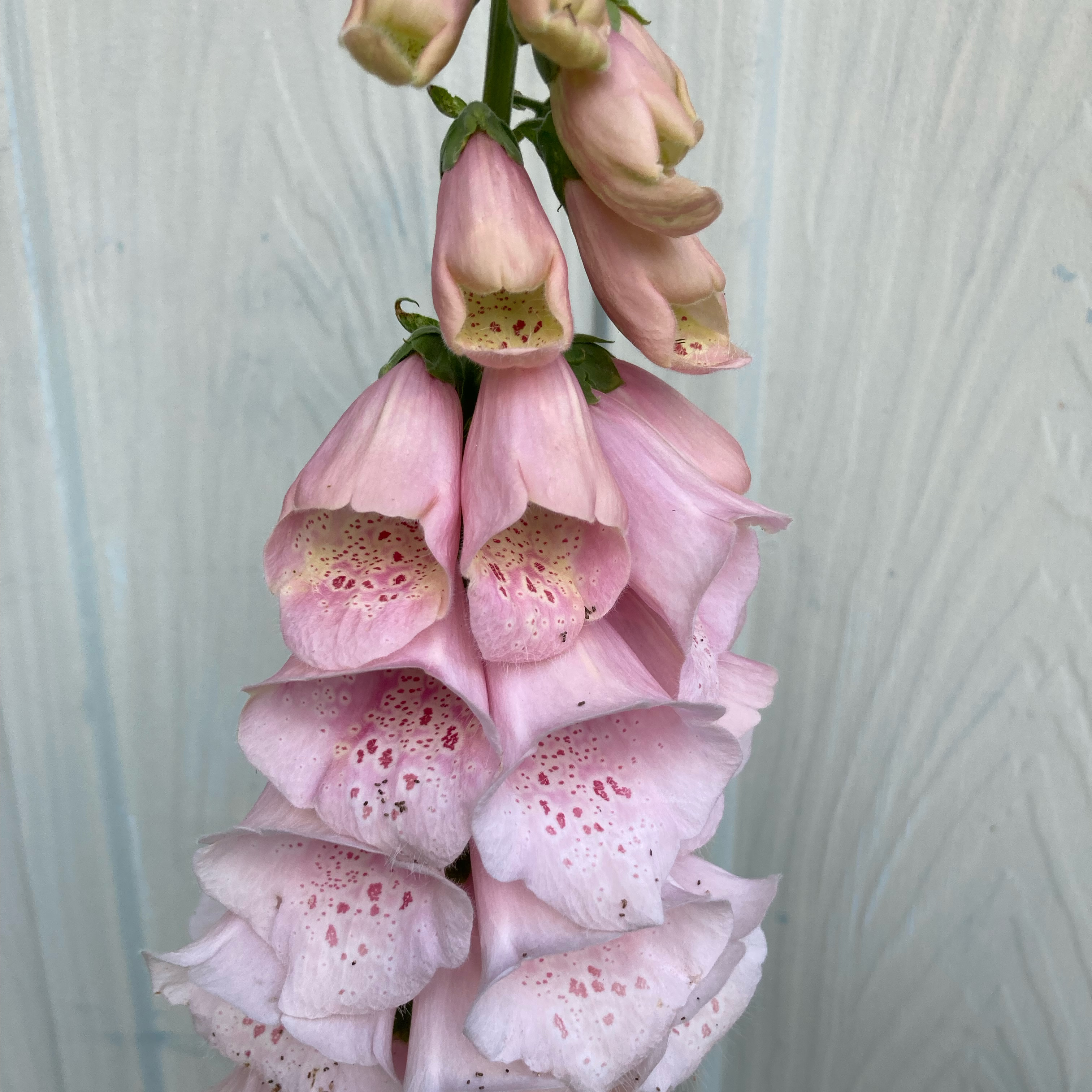
Foxglove is a striking plant, known for its tall spikes adorned with tubular flowers. These blooms come in vibrant shades of purple, pink, and white, creating a stunning visual display in any garden.
The leaves of the foxglove are fuzzy and form a rosette at the base, adding to its unique charm. Depending on the cultivar, these plants can reach heights of 2 to 5 feet, making them a prominent feature in landscaping.
πΎ Most Appealing Parts to Animals
Several parts of the foxglove attract herbivores. The flowers are particularly appealing due to their soft texture and high nutritional content.
Young shoots are tender and palatable, making them a favorite among various animals. Additionally, the seeds are nutrient-rich and easily accessible, drawing in even more attention from hungry critters.
Understanding the allure of foxglove helps gardeners anticipate potential threats to their plants. With this knowledge, you can take proactive steps to protect your beautiful blooms from hungry visitors.
Common Herbivores Affecting Foxglove
π¦ Deer
Signs of presence
Look for distinct hoof prints in the soil and dark, pellet-like droppings near your Foxglove plants. These signs indicate that deer are frequent visitors.
Type of damage
Deer love to browse on leaves and flowers, often stripping them bare and damaging blooms. This can lead to significant loss in your garden.
Beneficial or harmful interaction
Generally, deer interactions are harmful. They can decimate Foxglove populations, leaving your garden looking sparse.
Deterrent methods
To keep deer at bay, consider installing 8-foot tall fences. You can also use commercial deer repellents or homemade solutions like garlic spray for added protection.
π Rabbits
Signs of presence
Rabbits leave behind clean cuts on stems and small, round droppings scattered around. These clues can help you identify their presence.
Type of damage
They gnaw on stems and leaves, leading to significant leaf loss and stunted growth. This can severely affect your plants' health.
Beneficial or harmful interaction
Rabbits are generally harmful to Foxglove. Their feeding habits can lead to extensive damage.
Deterrent methods
Cover your plants with mesh netting to prevent access. Organic repellents made from hot pepper or garlic can also deter these furry pests.
πΏοΈ Squirrels
Signs of presence
Chewed flowers and visible nests in nearby trees indicate squirrel activity. Their presence can be quite disruptive.
Type of damage
Squirrels often destroy flowers, which affects pollination. This can lead to fewer blooms in your garden.
Beneficial or harmful interaction
Interactions with squirrels are generally harmful. They can disrupt the flowering cycle of your Foxglove.
Deterrent methods
Use reflective objects or noise-making devices as scare tactics. Live traps can also help relocate squirrels if they become a nuisance.
π¦ Birds
Signs of presence
Look for pecked flowers with missing petals and nearby nests. These signs show that birds are visiting your plants frequently.
Type of damage
Birds may eat seeds and flowers, reducing seed production and flowering. This can impact the overall health of your Foxglove.
Beneficial or harmful interaction
Bird interactions are mixed. While some birds help with pollination, others can cause damage.
Deterrent methods
Use predator decoys to scare away birds or hang shiny materials to deter feeding. These methods can help protect your plants.
π Rodents (mice, voles)
Signs of presence
Small burrows near the base of plants and tiny, dark pellets are signs of rodent activity. These clues can help you identify their presence.
Type of damage
Rodents gnaw on roots, leading to plant stress and potential decline. This can severely weaken your Foxglove.
Beneficial or harmful interaction
Rodents are generally harmful. Their feeding habits can lead to significant plant damage.
Deterrent methods
Set snap traps or live traps to control rodent populations. Encouraging natural predators like owls or hawks can also help manage these pests.
𦑠Groundhogs/Woodchucks
Signs of presence
Look for large burrows near your plants and extensive damage to stems and leaves. These signs indicate groundhog activity.
Type of damage
Groundhogs can completely decimate Foxglove plants, leading to extensive damage. Their feeding can severely impact your garden's health.
Beneficial or harmful interaction
Interactions with groundhogs are generally harmful. They pose a significant threat to garden health.
Deterrent methods
Install strong barriers at least 3 feet high and buried underground. You can also use commercial or homemade repellents to deter them.
Understanding these common herbivores and their impact on Foxglove is crucial for maintaining a healthy garden. With the right deterrent methods, you can protect your plants and enjoy their beauty for years to come.
Beneficial Animals Attracted to Foxglove
π Pollinators (bees, butterflies)
Pollinators like bees and butterflies play a crucial role in the health of your garden. They are essential for the pollination of Foxglove flowers, which leads to seed production and ensures the continuation of this beautiful plant.
These pollinators also support biodiversity by attracting various beneficial insects. Their presence creates a vibrant ecosystem, enhancing the overall health of your garden.
βοΈ Importance of Maintaining a Balanced Ecosystem
Encouraging pollinators is vital, but it's equally important to manage herbivore populations. A balanced ecosystem allows Foxglove to thrive while benefiting from the essential services that pollinators provide.
By fostering a habitat that attracts these helpful creatures, you can enjoy the beauty of Foxglove while ensuring its survival against potential threats. This balance is key to a flourishing garden.
Strategies for Protecting Foxglove
π‘οΈ Preventive Measures
Fencing is one of the most effective ways to protect your Foxglove from larger herbivores. A sturdy physical barrier can deter deer and other animals from accessing your plants.
Companion planting is another smart strategy. By incorporating plants that repel herbivores or attract beneficial insects, you can create a more resilient garden ecosystem.
β οΈ Reactive Solutions
If you notice severe damage, promptly removing affected plants is crucial. This helps prevent the spread of any potential diseases or pests.
Using repellents can also be effective. Both chemical and organic options are available to deter feeding and protect your Foxglove.
π± Seasonal Considerations
Understanding animal behavior changes throughout the year is vital. Adjusting your protective measures based on seasonal feeding patterns can significantly enhance your garden's health.
β οΈ Toxicity Considerations
Foxglove contains cardiac glycosides, which can be harmful if ingested in large quantities. While some animals may instinctively avoid it due to its toxicity, others may not, leading to varied interactions.
By implementing these strategies, you can create a thriving environment for your Foxglove while minimizing damage from herbivores. Next, letβs explore the beneficial animals attracted to Foxglove and their role in your garden ecosystem.
β οΈ Safety First
This content is for general information and may contain errors, omissions, or outdated details. It is not medical, veterinary advice, or an endorsement of therapeutic claims.
Always consult a qualified healthcare professional before using any plant as food, medicine, or supplement.
Never eat any plant (or feed one to pets) without confirming its identity with at least two trusted sources.
If you suspect poisoning, call Poison Control (800) 222-1222, the Pet Poison Helpline (800) 213-6680, or your local emergency service immediately.
Spotted an error? Please report it here.