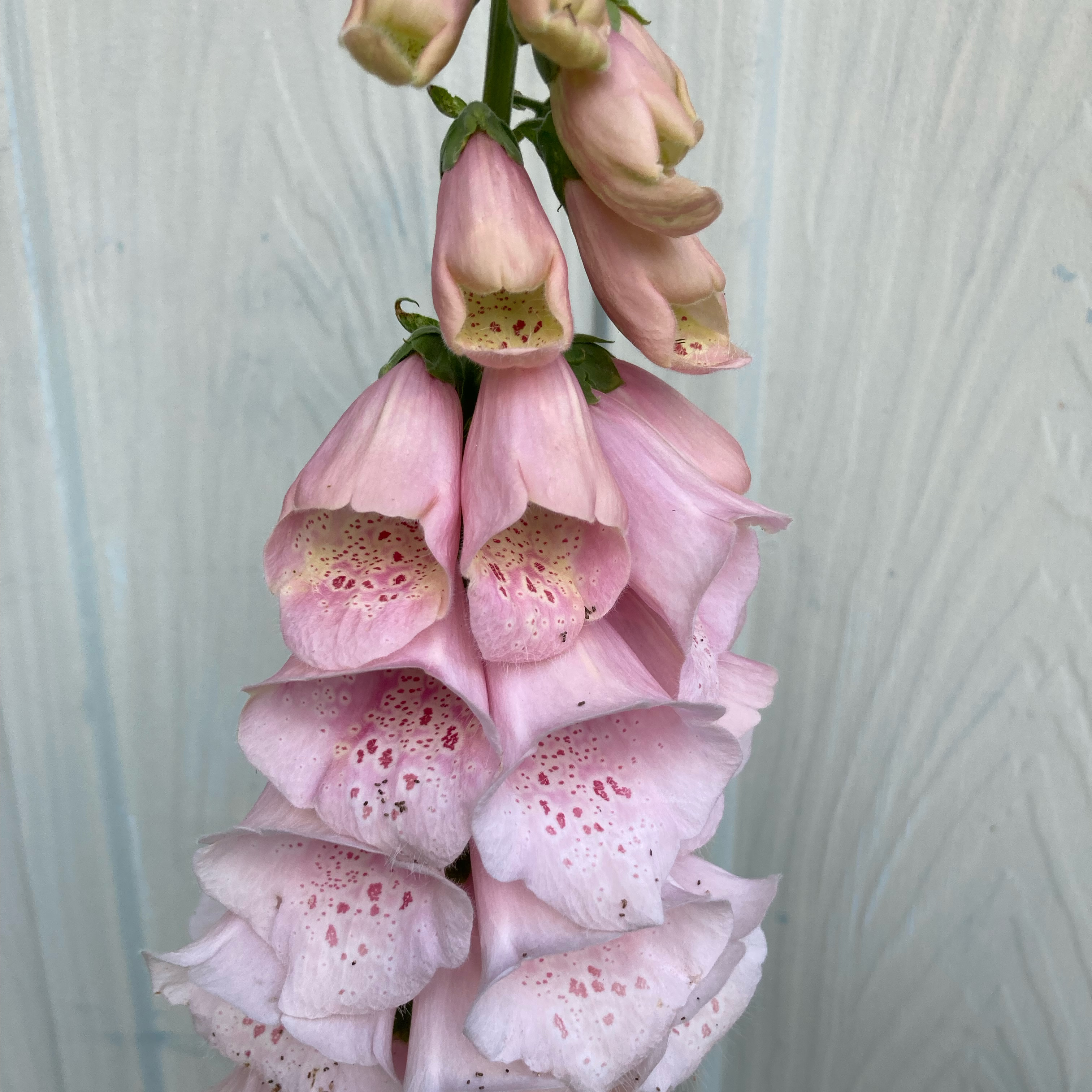
How to Prune Common Foxglove
When is the best time to prune?
Common Foxglove blooms in its second year, so pruning timing is tied to when it flowers in your region, typically late spring to early summer across zones 4–9.


Why Should I Prune My Common Foxglove?
Foxglove is a biennial plant, which means it grows leaves in its first year and then flowers and dies in its second year. Understanding this life cycle changes how you approach pruning.
The main reason to deadhead is to get a second wave of smaller flower spikes. When the tall central spike finishes blooming, cutting it down near the base encourages the plant to push side branches with new flower buds. These are smaller than the main spike but extend your display by several weeks.
If you want foxglove to come back in your garden year after year, leave at least one spent flower spike on the plant and let it dry completely. The seed capsules will open and scatter thousands of tiny seeds. Collect them or let them fall where they are.
Once the plant has finished and is fully brown, cut the whole thing to the ground. New self-seeded rosettes will appear the following season and flower the year after. All parts of foxglove are toxic, so wash your hands after handling the plant.
Know Before You Cut
What Should I Remove?
How Do I Prune Step by Step?
Got More Questions?
About This Article
