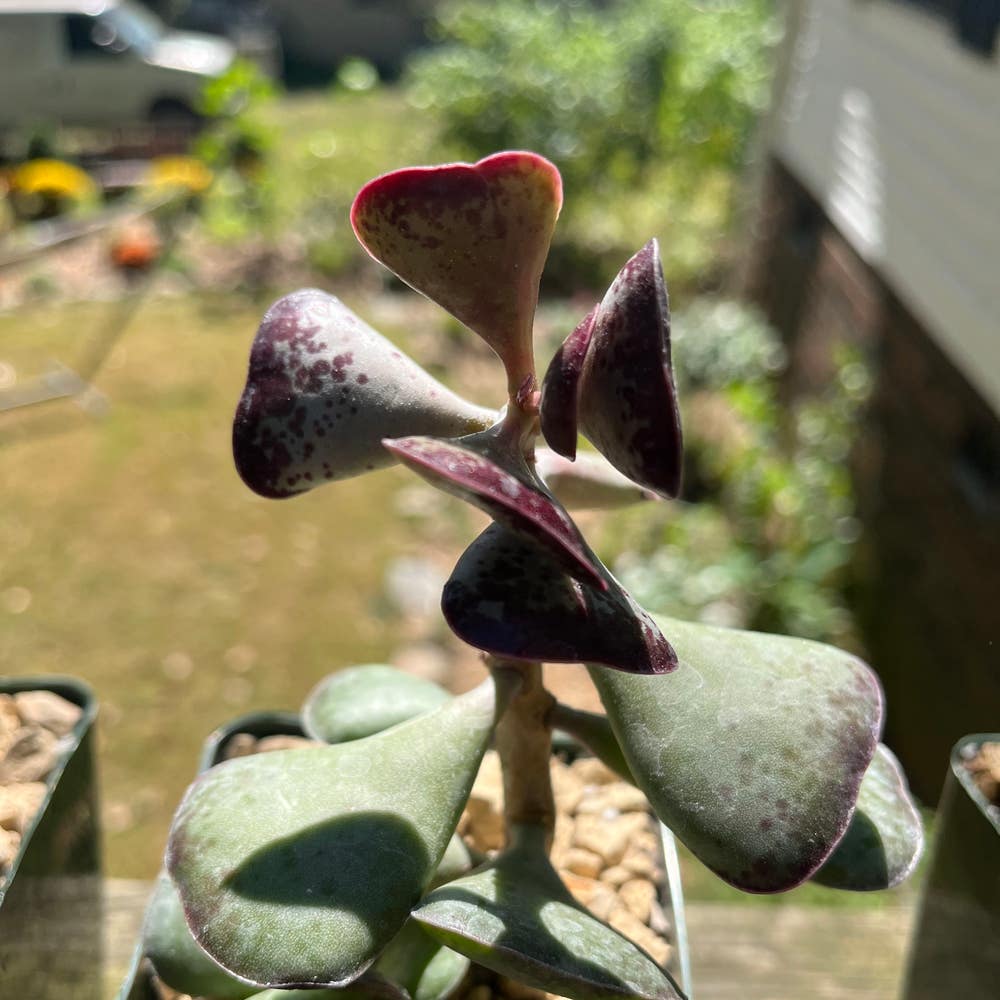
🌸 Introduction to Three-Flowered Adromischus
Adromischus triflorus
By the Greg Editorial Team
Feb 02, 2025•11 min read
This article was created with the help of AI so we can cover more plants for you. May contain errors. See one? Report it here.
- 🌞 Three-Flowered Adromischus thrives in full sun; keep temperatures between 20°C to 30°C.
- 🌱 Use well-draining soil with pH 6.0-7.0 for optimal growth and health.
- 💧 Water only when soil is dry to prevent yellowing leaves and root rot.
How to Grow
Choosing a Location 🌞
To ensure your Three-Flowered Adromischus thrives, choose a spot with full sun to partial shade. This succulent loves warm climates, ideally between 20°C to 30°C (68°F to 86°F).
Soil Preparation 🏜️
For optimal growth, use a well-draining succulent mix or sandy loam. Aim for a pH level that is slightly acidic to neutral, ideally between 6.0 and 7.0.
Planting Techniques 🌱
When planting, make sure the crown of the plant is above soil level to prevent rot. If you're planting outdoors, space your Adromischus 12-18 inches apart to allow for proper growth.
Watering Requirements 🚰
Water your plant only when the soil has completely dried out. Watch for signs of overwatering, such as yellowing leaves or a mushy texture, which can indicate trouble.
Fertilizing Schedule 🍽️
During the growing season, use a balanced, diluted liquid fertilizer to nourish your plant. Fertilize every 4-6 weeks to keep it healthy and vibrant.
Pruning Methods ✂️
Prune your Adromischus after flowering to promote new growth. Focus on removing any dead or damaged leaves to maintain its appearance.
Ongoing Care for Outdoor and Container Growth 🛡️
If you're growing in containers, ensure they have drainage holes to prevent water accumulation. For outdoor plants, keep an eye out for pests and environmental stressors that could affect their health.
With these tips, you'll be well on your way to cultivating a thriving Three-Flowered Adromischus. Next, let's explore how to propagate this resilient succulent!
Propagation
Leaf Cuttings (Difficulty: Moderate) 🌿
Propagation through leaf cuttings is a rewarding method for expanding your Three-Flowered Adromischus collection. Start by selecting healthy leaves that are about 3-4 inches long.
Next, allow the cuttings to callous for 1-2 days. This step is crucial as it helps prevent rot when planted. Once calloused, plant them in well-draining soil and water sparingly to encourage root development.
Stem Cuttings (Difficulty: Moderate) ✂️
Stem cuttings are another effective way to propagate this succulent. Cut healthy stems that are 4-6 inches long, ensuring you have a clean cut.
After cutting, let the stems dry for 1-2 days to form a callous. Then, plant them in soil and keep the soil moist until roots develop, which may take a few weeks.
Offsets Division (Difficulty: Easy) 🌱
Offsets division is the simplest propagation method for Three-Flowered Adromischus. Begin by identifying offsets, which are small plants growing at the base of the parent.
Gently separate these offsets from the main plant, taking care not to damage the roots. Finally, replant them in suitable soil, and watch them thrive as independent plants.
With these propagation techniques, you can easily expand your succulent garden and enjoy the beauty of Three-Flowered Adromischus in various locations. Next, let’s explore the lifecycle of this fascinating plant and understand its growth stages.
Lifecycle
🌱 Lifecycle Stages
The Three-Flowered Adromischus is a perennial plant known for its longevity. With proper care, it can thrive for several years, making it a rewarding addition to any garden.
🌱 Germination Process
Seeds of the Three-Flowered Adromischus typically take about 2-3 weeks to germinate. This timeframe can vary slightly based on environmental conditions.
🌱 Seedling Stage
Once germinated, seedlings require around 4-6 weeks to establish themselves. During this period, they develop the necessary strength to transition into the next growth phase.
🌱 Vegetative Growth
The vegetative growth stage lasts several months as the plant matures. This is when it builds its structure and prepares for future flowering.
🌱 Flowering and Seed Production
Flowering usually occurs in late spring to summer, showcasing the plant's vibrant blooms. After flowering, the plant may produce seeds, contributing to its lifecycle.
🌱 Lifespan and Growth Timeline
Overall, the Three-Flowered Adromischus can live for several years, with a moderate growth rate. It typically reaches full size in about 2-3 years, rewarding patience with its beauty.
This lifecycle overview highlights the resilience and adaptability of the Three-Flowered Adromischus. Understanding these stages can help you provide the best care, ensuring your plant thrives for years to come.
Size
Mature Height and Spread 🌱
The Three-Flowered Adromischus typically reaches a height of 6 to 12 inches. Its spread can extend from 12 to 18 inches wide, making it a compact yet visually appealing addition to your garden or indoor space.
Growth Rate and Time to Full Size ⏳
This succulent has a moderate growth rate, taking about 2 to 3 years to reach its full size. The growth rate can vary based on the care it receives, including light, water, and soil conditions.
Size Variability Based on Growing Conditions 🌍
Several factors influence the size of the Three-Flowered Adromischus. Light exposure, watering frequency, and soil quality all play crucial roles in determining how robust and expansive your plant will become.
Understanding these size characteristics can help you plan your garden layout or container arrangements effectively. With the right conditions, this succulent can thrive and become a stunning focal point in your collection.
Next, let's explore the fascinating root system of the Three-Flowered Adromischus and how it contributes to its overall health and growth.
Roots
Root System Type and Characteristics 🌱
The Three-Flowered Adromischus features a fibrous root system that is both shallow and spreading. This structure allows the plant to efficiently absorb moisture and nutrients from the soil.
Common Root-Related Issues ⚠️
One of the most common problems you might encounter is root rot, typically caused by overwatering. Signs of unhealthy roots include dark, mushy textures that indicate a serious issue.
Identifying Healthy vs. Unhealthy Roots 🔍
Healthy roots are characterized by a firm texture and a white or light tan color. In contrast, unhealthy roots will appear soft, brown, or black, signaling that your plant may need immediate attention.
Recognizing Rootbound Plants and Solutions 🪴
If you notice roots growing out of the drainage holes, your plant is likely rootbound. The best solution is to repot it into a larger container, giving those roots the space they need to thrive.
Understanding the root system of your Three-Flowered Adromischus is crucial for its overall health. By keeping an eye on root conditions, you can ensure your plant remains vibrant and flourishing. Next, let’s explore the benefits of this unique succulent.
Benefits
Top 5 Benefits 🌟
1. Drought Tolerance
Three-flowered Adromischus thrives in arid climates, requiring minimal water. This makes it a fantastic choice for those looking to conserve water while still enjoying vibrant greenery.
2. Aesthetic Appeal
With its unique foliage and charming flowers, this succulent adds beauty to any garden. Its striking appearance can elevate the overall look of your outdoor space.
3. Air Purification
Not only does it beautify your surroundings, but it also contributes to improved indoor air quality. This plant helps filter out toxins, making your home a healthier place to live.
4. Low Maintenance
Perfect for beginners, the Three-flowered Adromischus demands very little care. Its resilience means you can enjoy a lush plant without the stress of constant upkeep.
5. Cultural Significance
This succulent has a rich history in traditional medicine and ornamental gardening. Its uses span various cultures, adding a layer of depth to its presence in your home or garden.
These benefits make the Three-flowered Adromischus a standout choice for both novice and experienced gardeners. Its combination of beauty, ease of care, and cultural relevance ensures it remains a beloved plant for years to come.
As we explore the next section, let’s dive into the fascinating world of companion planting and discover which plants thrive alongside the Three-flowered Adromischus.
Companion Plants
🌱 Concept of Companion Planting
Companion planting is all about creating a harmonious garden ecosystem. By pairing plants that support each other, you can enhance diversity and improve pest management.
🌼 Best Companion Plants
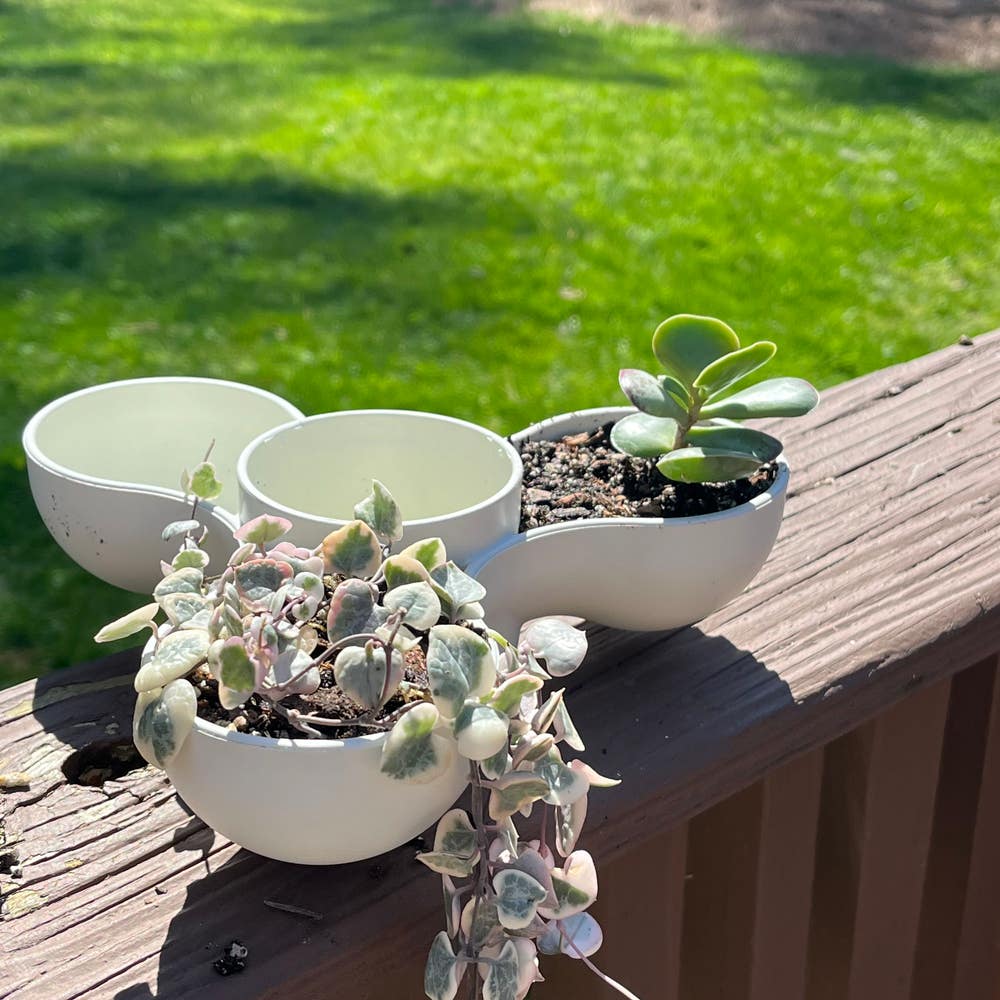
When it comes to Three-Flowered Adromischus, consider planting it alongside other succulents, cacti, and drought-tolerant plants. These companions share similar care needs and create an aesthetically pleasing arrangement.
🚫 Plants to Avoid
On the flip side, steer clear of heavy feeders or plants that require high moisture. These can compete for resources and create an imbalance in your garden, potentially stressing your Adromischus.
By selecting the right companions, you can cultivate a thriving garden that not only looks great but also supports the health of your plants. Next, let’s explore the potential toxicity of Three-Flowered Adromischus to humans and pets.
Toxicity to Humans
Three-Flowered Adromischus is generally safe for humans. It is not listed as toxic by major poison control centers, making it a great choice for homes with children.
However, caution is advised. Consuming large quantities may lead to mild skin irritation or digestive discomfort.
If you experience any unusual symptoms after contact or consumption, it's best to seek medical advice. Always prioritize safety when handling any plant, even those deemed non-toxic.
Toxicity to Dogs
When it comes to the Three-Flowered Adromischus, good news for dog owners: this plant is not toxic according to major pet poison control centers.
However, it's important to note that if your furry friend consumes large quantities, they might experience mild gastrointestinal upset.
🌿 Proper Placement
To keep your dog safe, it's wise to place the plant out of reach. Regularly monitor your pet's behavior around the plant to ensure they don't nibble on it.
By taking these simple precautions, you can enjoy the beauty of your Three-Flowered Adromischus without worrying about your dog's health.
As we move forward, let's explore how this plant interacts with our feline friends.
Toxicity to Cats
Three-flowered Adromischus is generally safe for cats. According to pet poison control centers, it is not classified as toxic.
However, if consumed in large quantities, it may cause mild gastrointestinal upset. It's always a good idea to monitor your cat's behavior around plants to ensure they don't nibble too much.
🐾 Proper Placement
To keep your feline friends safe, place the plant in areas that are less accessible. This helps discourage any curious munching.
If you notice any unusual symptoms in your cat, such as vomiting or lethargy, consult your veterinarian for advice. Keeping an eye on your pets will ensure a harmonious home for both your plants and your furry companions.
Problems
Common Problems 🌱
Growing Three-Flowered Adromischus can be rewarding, but it comes with its share of challenges. Understanding these common problems will help you keep your plant thriving.
Incorrect Watering 🚰
Watering is a crucial aspect of care. Overwatering can lead to yellowing leaves and a mushy texture, while underwatering may cause shriveling and dryness.
Incorrect Light Conditions ☀️
Light plays a significant role in plant health. Too much direct sunlight can scorch the leaves, leading to unsightly brown patches.
Incorrect Temperature 🌡️
Temperature fluctuations can be detrimental. Cold damage may occur if the plant is exposed to temperatures below its preferred range, causing wilting or leaf drop.
Diseases 🦠
Fungal diseases, such as powdery mildew and root rot, can plague your plant. These issues often arise from excessive moisture or poor air circulation.
Leaf Issues 🍃
Keep an eye on your leaves for signs of stress. Yellowing or fuzzy growth can indicate underlying problems, such as nutrient deficiencies or pest infestations.
By staying vigilant and addressing these common problems, you can ensure your Three-Flowered Adromischus remains healthy and vibrant. Next, let’s explore the potential pest issues that may arise in your garden.
Bugs
🐜 Potential Pest Issues
While the Three-Flowered Adromischus is generally pest-resistant, it can still fall victim to a few unwelcome guests. Keeping an eye out for these pests is essential to maintaining the plant's health.
🔍 Identification and Damage
Spider Mites are a common issue, identifiable by their fine webbing and stippled leaves. If you notice these signs, it's time to take action.
Mealybugs are another pest to watch for, appearing as white, cotton-like masses on the leaves. These pests can sap your plant's vitality if left unchecked.
🧪 Effective Treatment Options
For pest control, Neem oil and insecticidal soap are effective treatments. These options are not only safe for your plant but also environmentally friendly.
Regular monitoring and prompt treatment can keep your Three-Flowered Adromischus thriving. With the right care, you can enjoy its beauty without the worry of pests.
Next, let’s explore what animals might be interested in munching on your succulent.
What Eats
🦌 Common Animals
When it comes to the Three-Flowered Adromischus, several common animals may take a liking to your plant. Expect visits from deer, rabbits, squirrels, and rodents, all of which can munch on your succulent's leaves.
👀 Signs of Animal Presence
Identifying animal visitors is crucial for protecting your plant. Look for signs such as chewed leaves, droppings scattered around, and tracks that indicate their presence.
🚫 Deterrent Methods
To keep these pests at bay, consider using a mix of chemical and organic control methods. Fencing can create a physical barrier, while repellents and companion planting strategies can help deter unwanted visitors effectively.
By staying vigilant and employing these strategies, you can enjoy your Three-Flowered Adromischus without the worry of it becoming a snack for local wildlife. Next, let’s explore how to ensure your plant thrives despite potential challenges.
⚠️ Safety First
This content is for general information and may contain errors, omissions, or outdated details. It is not medical, veterinary advice, or an endorsement of therapeutic claims.
Always consult a qualified healthcare professional before using any plant as food, medicine, or supplement.
Never eat any plant (or feed one to pets) without confirming its identity with at least two trusted sources.
If you suspect poisoning, call Poison Control (800) 222-1222, the Pet Poison Helpline (800) 213-6680, or your local emergency service immediately.
Spotted an error? Please report it here.
Nurture your Three-Flowered Adromischus to thrive 🌱 with Greg's tailored watering alerts and expert care tips that will keep your succulent flourishing!