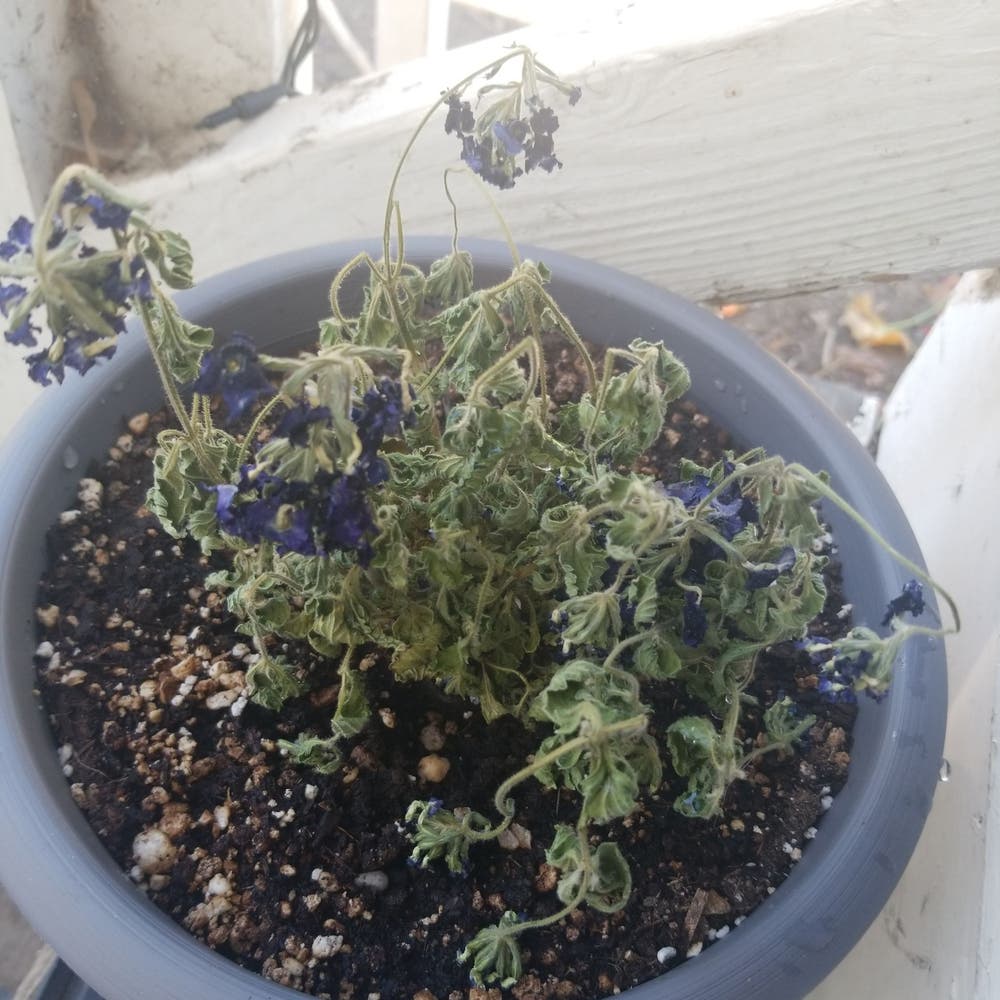
Why Are My Texas Vervain Leaves Falling Over?
Verbena halei
By the Greg Editorial Team
Mar 20, 2024•4 min read
This article was created with the help of AI so we can cover more plants for you. May contain errors. See one? Report it here.
Stop Texas Vervain wilt in its tracks with this urgent care guide! 🌿🚨
- Droopy leaves signal distress; check for overwatering, underwatering, or pests.
- Root rot and dehydration cause wilting; soil tests help diagnose.
- Nutrient balance and pH are crucial for leaf health; use proper fertilizer.
Spotting the Trouble: Diagnosing Droopy Leaves
🚩 Signs Your Texas Vervain is in Distress
Droopy leaves on your Texas Vervain are like red flags; they demand immediate attention. Look for leaves that hang lower than their usual jaunty angle. They may feel less firm or exhibit a certain lethargy, a stark contrast to their typical vitality. This isn't your plant's day off; it's a cry for help.
🕵️ Quick Checks Before You Panic
Before sounding the alarm, perform a soil test. Poke your finger into the soil; if it's soggy days after watering, you've got an overwatering issue. Conversely, soil that crumbles away from the pot is a telltale sign of dehydration. Next, give the leaves a gentle squeeze. They should spring back, not wilt in your grasp. Finally, sniff around the base of the plant. A funky odor? Could be root rot. These quick checks are your first steps in the plant triage process.
The Usual Suspects: Common Causes for Concern
🌊 Overwatering and Its Consequences
Spotting the Signs of Soggy Soil
Yellow leaves and stems with the consistency of overcooked noodles are your first clue. If the soil feels like a wrung-out sponge days after watering, you've gone too far.
The Root of the Problem
Root rot sets in when plants get more water than they can handle. Roots suffocate and decay, leaving your Vervain looking more like a wilted salad than a vibrant plant.
💧 When Thirst Turns Critical: Underwatering Issues
Clues that Your Plant is Parched
Leaves turning crispy and soil dry as a bone are distress signals. A pot lighter than your conscience after skipping the gym? Time to water.
The Wilt Factor
Underwatering leaves roots desperate for a drink, causing leaves to droop in a sad display of thirst.
🌿 Starving for Attention: Nutrient Deficiencies
Spotting the Signs
Leaves that look more faded than vintage jeans could indicate a lack of nutrients.
Key Nutrients
Nitrogen, phosphorus, and potassium are the trifecta for perky leaves. Skimp on these, and your Vervain's leaves will throw in the towel.
🐜 Unwanted Guests: Pests and Diseases
Identifying Invaders
Webbing or sticky residue? You might be hosting an unwanted pest party.
Common Ailments
Black or brown spots on leaves are like red flags at a bullfight for diseases. Act fast or watch your Vervain's leaves fall victim to these leaf droop culprits.
Turning Over a New Leaf: Remedies and Prevention
💧 Balancing the Watering Act
Watering is less art, more science. Consistency is key. Ensure the soil is moist but not soggy; think of it as the Goldilocks zone for your Texas Vervain. Use your finger to test the soil's top inch—if it's dry, water; if not, wait.
🌱 Soil and Drainage: Setting up for Success
The right soil mix is like a good support system—it doesn't suffocate. Opt for a well-draining mix to prevent root rot. Consider adding perlite or sand to increase drainage. Remember, drainage holes are non-negotiable.
🍽️ Feeding for Strength: Nutrient Management
Fertilizer is your plant's gym membership—necessary but should not be overdone. A balanced, water-soluble fertilizer every few weeks during the growing season is your best bet. Keep an eye on the N-P-K ratio; it should be just right for your Vervain.
🌿 The pH Factor in Nutrient Uptake
Soil pH can make or break nutrient uptake. Too acidic or too alkaline, and your plant might as well be on a diet. Test your soil and adjust accordingly. Aim for a pH that lets your plant gobble up nutrients effectively.
🐜 Keeping Pests and Diseases at Bay
Pests and diseases are like uninvited party crashers. Inspect regularly for signs of trouble—discoloration, spots, or webbing. Isolate new plants to prevent a bug bonanza.
💉 Treatment Tips for a Quick Recovery
If pests or diseases do strike, act fast. Remove affected leaves, and treat with appropriate organic or chemical remedies. Keep the plant clean and avoid wetting the foliage to prevent fungal issues. Remember, prevention is better than cure, so keep up with regular maintenance.
⚠️ Safety First
This content is for general information and may contain errors, omissions, or outdated details. It is not medical, veterinary advice, or an endorsement of therapeutic claims.
Always consult a qualified healthcare professional before using any plant as food, medicine, or supplement.
Never eat any plant (or feed one to pets) without confirming its identity with at least two trusted sources.
If you suspect poisoning, call Poison Control (800) 222-1222, the Pet Poison Helpline (800) 213-6680, or your local emergency service immediately.
Spotted an error? Please report it here.
Prevent your Texas Vervain's leaves from wilting by tailoring your care 🌱 with Greg's custom watering plans and soil health tips, ensuring your plant thrives with precision and ease.