✨ What to Do About Sparkle White Gaura Root Rot
Oenothera lindheimeri 'Sparkle White'
By the Greg Editorial Team
Oct 04, 2024•5 min read
This article was created with the help of AI so we can cover more plants for you. May contain errors. See one? Report it here.
Save your Sparkle White Gaura from root rot 🌱 with these essential tips for treatment and prevention!
- 🌱 Inspect roots regularly to identify rot early and ensure plant health.
- ✂️ Trim rotten roots and repot in well-draining soil for recovery.
- 💧 Water wisely; let soil dry out to prevent root rot.
Treating Root Rot
Step-by-Step Treatment for Root Rot 🌱
Remove the Plant from Its Pot
Start by gently taking your Sparkle White Gaura out of its pot. This allows you to assess the root system without causing additional stress to the plant.Inspect the Roots for Rot
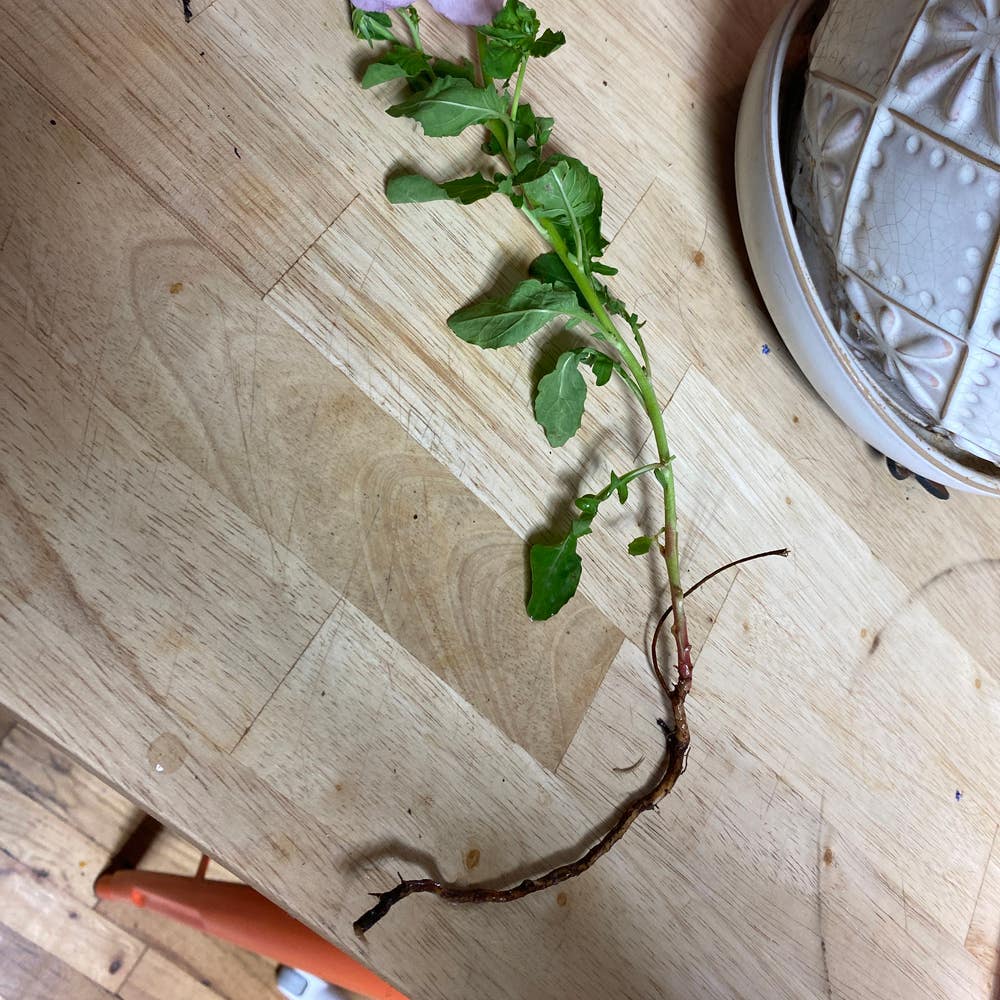
Look closely at the roots to identify healthy versus rotten ones. Healthy roots are firm and white, while rotten roots appear brown and mushy.Trim Away Affected Roots
Use clean, sharp scissors or pruning shears for this task. Trim back the rotten roots, ensuring you leave enough healthy roots for the plant to thrive.Clean the Root System
Rinse the roots under lukewarm water to remove any soil and debris. This step helps prevent further infection and prepares the roots for repotting.Repotting the Plant
Choose a pot that’s slightly larger than the previous one, ensuring it has good drainage. Use a well-draining soil mix specifically recommended for Sparkle White Gaura to promote healthy growth.
Recommended Fungicides or Treatments 🧪
Types of Fungicides Effective Against Root Rot
Consider both chemical and organic fungicides. Chemical options may act faster, while organic solutions are often safer for the environment.Home Remedies for Treating Root Rot
Natural solutions like cinnamon and hydrogen peroxide can be effective. Apply these remedies according to specific instructions for the best results.
How to Repot a Gaura with Root Rot 🌼
Timing for Repotting
The best time to repot your Sparkle White Gaura is during the spring. This season encourages new growth and helps the plant recover.Steps for Successful Repotting
Prepare the new pot with fresh soil, ensuring it’s well-draining. Place the plant in the center, cover the roots with soil, and water lightly to settle the soil around the roots.Watering After Repotting
After repotting, water the plant lightly. This initial care helps reduce transplant shock and encourages healthy root establishment.
With these steps, you can effectively treat root rot and give your Sparkle White Gaura a fresh start. Next, let’s explore how to prevent root rot from occurring in the first place.
Preventing Root Rot
🌱 Best Soil Types for Sparkle White Gaura
Choosing the right soil is crucial for preventing root rot in Sparkle White Gaura. A well-draining soil mix typically includes components like perlite, coarse sand, and peat moss.
The ideal pH level for Gaura is between 6.0 and 7.0. This range promotes healthy growth and helps prevent root issues.
🧱 Importance of Soil Texture
Soil texture plays a significant role in drainage and moisture retention. A sandy or loamy texture allows excess water to flow through while retaining just enough moisture for the plant's needs.
Using the right texture can significantly reduce the risk of root rot, ensuring your Gaura thrives.
🚿 Proper Watering Techniques to Avoid Root Rot
Watering frequency is essential to maintaining healthy roots. During the growing season, water your Gaura when the top inch of soil feels dry, while in winter, reduce watering to prevent soggy conditions.
To check soil moisture, simply stick your finger into the soil. If it feels damp, hold off on watering.
⚠️ Signs of Overwatering Gaura
Recognizing the signs of overwatering can save your plant from root rot. Look for yellowing leaves, wilting, or a mushy stem, which indicate that your Gaura is getting too much water.
Adjust your watering practices immediately if you notice these symptoms to help your plant recover.
🪴 Importance of Drainage and Pot Selection
Selecting the right pot is vital for healthy root growth. Opt for pots made from materials like terracotta or ceramic, which promote drainage and airflow.
Consider the pot size as well; a pot that’s too small can restrict root growth, while one that’s too large may hold excess moisture.
🔧 Enhancing Drainage in Existing Pots
If you already have pots that lack drainage, there are ways to improve them. Adding drainage holes can significantly enhance water flow.
You can also use potting materials like gravel or expanded clay pellets at the bottom of the pot to improve drainage and prevent water from pooling.
By following these guidelines, you can create an environment that supports the health of your Sparkle White Gaura and minimizes the risk of root rot. Next, let’s explore how to monitor your plant’s health effectively.
Monitoring Plant Health
🌱 Regular Maintenance Tips to Prevent Root Rot
Maintaining the health of your Sparkle White Gaura is crucial for preventing root rot. Seasonal care practices play a significant role in this.
Adjusting Watering and Fertilization
As the seasons change, so should your watering and fertilization routines. During the growing season, increase watering frequency, but reduce it in the dormant months.
Importance of Regular Inspections
Regular inspections are key to catching root rot early. Aim to check your plant every couple of weeks for any signs of distress or rot.
Signs to Look For
Look for yellowing leaves, wilting, or a foul smell from the soil. These can indicate root issues that need immediate attention.
By staying proactive with these maintenance tips, you can ensure your Gaura thrives and avoids the pitfalls of root rot. Next, let’s explore the best soil types to support your plant’s health.
⚠️ Safety First
This content is for general information and may contain errors, omissions, or outdated details. It is not medical, veterinary advice, or an endorsement of therapeutic claims.
Always consult a qualified healthcare professional before using any plant as food, medicine, or supplement.
Never eat any plant (or feed one to pets) without confirming its identity with at least two trusted sources.
If you suspect poisoning, call Poison Control (800) 222-1222, the Pet Poison Helpline (800) 213-6680, or your local emergency service immediately.
Spotted an error? Please report it here.
Keep your Sparkle White Gaura thriving 🌿 by using Greg's tailored reminders for root inspections and watering, ensuring you catch any issues before they become problems!