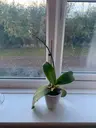
Red Chickweed
About Red Chickweed
Red Chickweed is a popular houseplant 🌿 that needs regular watering to thrive. They do best in long-lasting, direct light ☀️ and should be less than 1 foot from a window.
Red Chickweed likes soil that is well draining. Your plant shouldn't need added fertilizers if you repot each time it doubles in size.
⚠️ Red Chickweed is extremely dangerous if consumed. If you, a family member, or a pet has ingested any amount of plant material contact Poison Control, US (800) 222-1222, or your veterinarian immediately. These plants are not recommended for homes with children, cats, or dogs.
Taxonomy

Lysimachia arvensis
Lysimachia
Primulaceae
Ericales
Also known as
Anagallis arvensis, Scarlet pimpernel, Blue-scarlet pimpernel, Red pimpernel, Poor man's barometer, Poor man's weather-glass, Shepherd's weather glass and Shepherd's clock

How to care for Red Chickweed
How often to water your Red Chickweed

every 9
Red Chickweed needs 0.5 cups of water every 9 when it doesn’t get direct sunlight and is potted in a 5" pot.
Use our water calculator to personalize watering recommendations to your environment or download Greg for more advanced recommendations for all of your plants.

Water 0.5 cups every
9
Finding light for Red Chickweed in your home

a window
Red Chickweed love being close to bright, sunny windows 😎.
Place it less than 1ft from a south-facing window to maximize the potential for growth.
Red Chickweed does not tolerate low-light 🚫.
Select your region to see how the current weather in your area affects the placement of Red Chickweed in your home 🏡.
How to fertilize Red Chickweed

Most potting soils come with ample nutrients which plants use to produce new growth.
By the time your plant has depleted the nutrients in its soil it’s likely grown enough to need a larger pot anyway.
To replenish this plant's nutrients, repot your Red Chickweed after it doubles in size or once a year—whichever comes first.
-
Wondering I got my creeping jenny from a lady at my church not too long ago. I am a naturally nervous person so when I get plants, I worry over them. I last watered it today, I just misted it twice today. I live in a very hot area where it can reach up to over 90 on average during the summer, im wondering how much sunlight and water should she get on average? I kept her soil moist but not too wet, shes growing slowly but shes having new blooms and growth!
-
I wanna know if I should be concerned with some of the leaves turning black? I noticed that the soil has a little bit of white fuzzy mold but is it normal for some of the leaves to die? #CreepingJenny
-
My sweet baby has started wilting. Does anyone know why? #CreepingJenny
-
Wilting and weak leaves :c #CreepingJenny so I'm not quite sure how to properly take care of this plant, I spritz it every morning with my spray bottle to make sure the top layer of the dirt is wet, and I've had it for a few days now and it only seems to be doing worse. As much as I wish I knew what to do I really don't and I'd really appreciate some advice ,, I love my little guy
-
She is so sad. I need help #CreepingJenny
-
The description at the top says loves indirect sunlight while in the body it says needs direct sunlight. Which is correct? #CreepingJenny
-
Do these do better indoors or outdoors?
-
How should I do with Creeping Jenny I have one plant named Creeping Jenny, this a first time a raise plant indoor. It look not good after I watered HB101 for him. Help me. I have to cut a a alot of burned leaf
-
Creeping Jenny has yellow leaves Hey just wondering what might be causing my creeping Jenny to have yellowing leaves
-
Look, when I identify these weeds it says red chickweed. #RedChickweed


Care Summary for Red Chickweed

Red Chickweed
 Greg recommends:
 Water
Water
0.5 cups every 9 days
 Placement
< 1ft from a window
 Nutrients
Repot after 2x growth
Based on the 4” pot your plant is in, and that it doesn’t get direct sunlight.
 Trending in your area











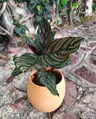

 Similar to Red Chickweed
✨ Discover rare plants

Pine Cone Plant

Rainbow Echeveria

Pink Ruby Sedevaria

Variegated Arrowhead …

Hoya sipitangensis

Stomatium acutifolium
Hoya crassipetiolata
Astroloba congesta

Milky Widow's Thrill

Ceropegia simoneae
Thelocactus macdowell…

Raphionacme flanaganii

Echeveria 'Joan Danie…

Echeveria Esther
Philodendron 'Rio'

Hoya fitchii

Scotch Moss