🪨 How Do I Propagate My Lithops julii?
Lithops julii
By the Greg Editorial Team
Feb 28, 2024•5 min read
This article was created with the help of AI so we can cover more plants for you. May contain errors. See one? Report it here.
Propagate your Lithops julii like a pro 🌱, choosing between division or seeds for a thriving succulent display!
- Divide when multiple heads; use sterilized tools and individual pots.
- Seed propagation needs patience, with months for germination and diverse offspring.
- 🌱 Avoid overwatering and poor lighting; know how to rescue troubled Lithops.
Kickstarting New Life: Division Propagation
🌱 When to Divide Your Lithops julii
Lithops julii, the living stones, signal readiness for division with a clear sign: multiple heads. When your succulent resembles a small crowd rather than a lone ranger, it's time to consider division. This typically occurs after the plant has completed its molting phase in spring, a period of renewal where old leaves give way to new growth.
🕺 The Division Dance
🛠 Tools and Preparation
Before you start, gather your tools: small pots, coarse silica sand, a butter knife, sterilized scissors or pruners, and a suitable growing medium. Sterilize your tools to prevent infection, and prepare pots with drainage holes to welcome new Lithops residents.
📏 Division Steps
- Gently remove the Lithops from its current abode, being mindful of its delicate structure.
- Examine the root ball and identify natural separations between the heads.
- With a sterilized knife or your hands, tease apart the clusters, ensuring each new unit has roots attached.
- Plant each division in its own pot, burying it to the same depth it was previously.
🌱 Post-Division Care
After the operation, place your Lithops in a spot with bright, indirect light. Resist the urge to water immediately; these succulents prefer a dry start to prevent root rot. After two weeks, introduce a minimal watering schedule, gradually increasing as the plant establishes itself. Remember, patience is your ally in the post-division recovery.
From Tiny Seeds to Stone-Like Beauties: Seed Propagation
💎 Harvesting the Seeds
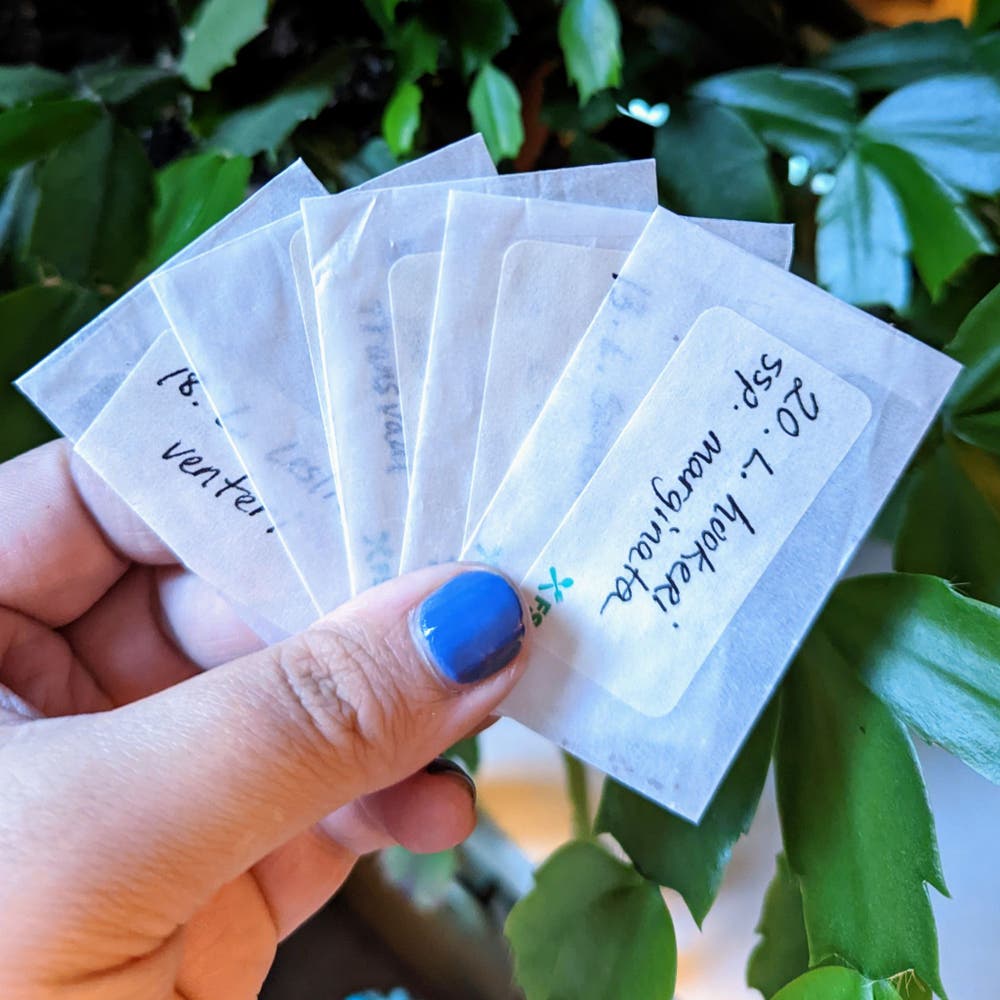
Harvesting seeds from Lithops julii is like finding minuscule gems. Timing is crucial; collect seeds when the capsule is dry but hasn't split open. Crack it open gently to access the seeds, ensuring not to damage them.
🌱 Sowing the Seeds
Soil preparation is key. Mix three parts perlite, three parts sand, and one part sifted potting soil. Sterilize the mix to prevent 'damping off'—microwave for 2.5 minutes and let cool. Sow seeds on the soil surface; they need light to germinate, so don't bury them. Keep the soil lightly moist with a mister and cover with plastic wrap to maintain humidity.
🌱 Germination and Beyond
Germination requires patience; it can take months. Once sprouted, remove the plastic and introduce a light shadecloth. Mist sparingly as seedlings grow. Transplant after a year, and expect blooms in 3-4 years. Remember, seeds stay viable for years if stored in a cool, dry place.
Propagation Showdown: Division vs. Seed
⏱️ Time Investment and Success Rates
In the propagation arena, division and seed methods are like two contestants with different strengths. Division is the quicker path, with a shorter timeline from start to finish. It's like a sprint, where you see results relatively fast because you're working with a mature plant part. On the flip side, seed propagation is the marathon, demanding a hefty investment of time and patience. Germination can feel like a waiting game, and it could be months before you see a sprout. Success rates for division are generally higher, as you're dealing with a plant that's already got a head start. Seeds, however, can be hit or miss, with germination rates as unpredictable as a plot twist in a telenovela.
🎯 Challenges and Rewards
Division might seem like the safer bet, but it's not without its challenges. You're essentially performing plant surgery, so there's a risk of damaging the parent or offspring if you're not careful. Plus, you're limited by the number of offsets your plant can produce. It's a finite resource. Seed propagation, though, is where the thrill lies. It's a test of your green thumb's prowess, where you're at the mercy of nature's whims. But the rewards? Potentially diverse offspring, with each seedling a little genetic surprise party. It's the ultimate reward for those who relish the unexpected and have the grit to see it through.
Troubleshooting: Avoiding Propagation Pitfalls
🌵 Common Missteps in Lithops julii Propagation
Overwatering is the arch-nemesis of Lithops julii. These succulents are drought-adapted, so excess moisture can lead to root rot. Ensure your watering regimen mimics the arid conditions they love.
Lighting can be a tightrope walk; too little and your Lithops may stretch, too much and they can scorch. Aim for a Goldilocks zone of bright, indirect light.
Soil choice is critical. Lithops require well-draining soil to prevent water retention. Think gritty, not soggy.
Timing matters. Propagating during dormancy is like waking a bear during hibernation – not a good idea. Wait for active growth periods.
🚑 Rescue and Recovery Tips
If you're facing root rot, it's triage time. Remove the plant from its pot, trim any mushy roots, and repot in dry, fresh soil.
Stretched Lithops due to low light? Increase their sun exposure gradually, but don't go full desert noon on them.
Encountering no growth? Patience is your co-pilot. These aren't sprinters; they're marathoners in the plant world.
If pests have gatecrashed, isolate your Lithops and treat with appropriate measures. Neem oil can be your ally.
Remember, propagation is an art. Mistakes are the palette from which you'll paint your green thumb mastery. Keep your tools clean, your observations keen, and don't let setbacks curb your enthusiasm.
⚠️ Safety First
This content is for general information and may contain errors, omissions, or outdated details. It is not medical, veterinary advice, or an endorsement of therapeutic claims.
Always consult a qualified healthcare professional before using any plant as food, medicine, or supplement.
Never eat any plant (or feed one to pets) without confirming its identity with at least two trusted sources.
If you suspect poisoning, call Poison Control (800) 222-1222, the Pet Poison Helpline (800) 213-6680, or your local emergency service immediately.
Spotted an error? Please report it here.
Turn your Lithops julii propagation into a triumph 🏆 by leveraging Greg's tailored care reminders and community tips from this insightful guide.