5 Living Stones Varieties You Didn't Know About
Lithops julii
By the Greg Editorial Team
Oct 09, 2024•5 min read
This article was created with the help of AI so we can cover more plants for you. May contain errors. See one? Report it here.
Transform your space with stunning Lithops 🌱—unique colors and shapes await your gardening adventure!
- 🌱 Lithops lesliei is beginner-friendly, thriving in bright light and well-draining soil.
- 🎨 Lithops aucampiae features vibrant colors, making it a striking centerpiece in any collection.
- 💧 Proper care ensures a thriving Lithops collection, enhancing your gardening experience.
Popular Cultivars
Lithops lesliei 🌈
Lithops lesliei stands out with its striking patterns and color variations, often showcasing shades of green and brown. Its flat leaves resemble small pebbles, making it a unique addition to any collection.
Caring for this cultivar is straightforward. It thrives in bright light and requires well-draining soil, making it an easy choice for beginners.
Lithops karasmontana 💪
Lithops karasmontana boasts a more robust structure, displaying a range of colors from gray to yellowish hues. Its pronounced leaf texture adds to its visual appeal.
This variety needs slightly more water than others but still demands excellent drainage. With moderate care, it can flourish beautifully.
Lithops aucampiae 🎨
Known for its vibrant colors, Lithops aucampiae features deep reds and purples that captivate collectors. Its larger leaves provide a striking visual impact, making it a standout in any setting.
To keep this variety healthy, it thrives in bright, indirect sunlight and requires careful watering to prevent rot. With moderate attention, it can be a stunning centerpiece in your plant collection.
These popular cultivars not only enhance your space but also offer a rewarding gardening experience. Next, let’s explore some rare and unique varieties that can elevate your collection even further.
Rare and Unique Varieties
🌟 Lithops fulviceps
Lithops fulviceps is a rare gem in the world of living stones. Its distinctive yellowish-green leaves are adorned with intricate patterns, making it a sought-after choice for collectors.
This variety stands out not just for its looks but also for its limited availability. To keep its vibrant color, it requires specific light conditions, so be prepared to provide the right environment.
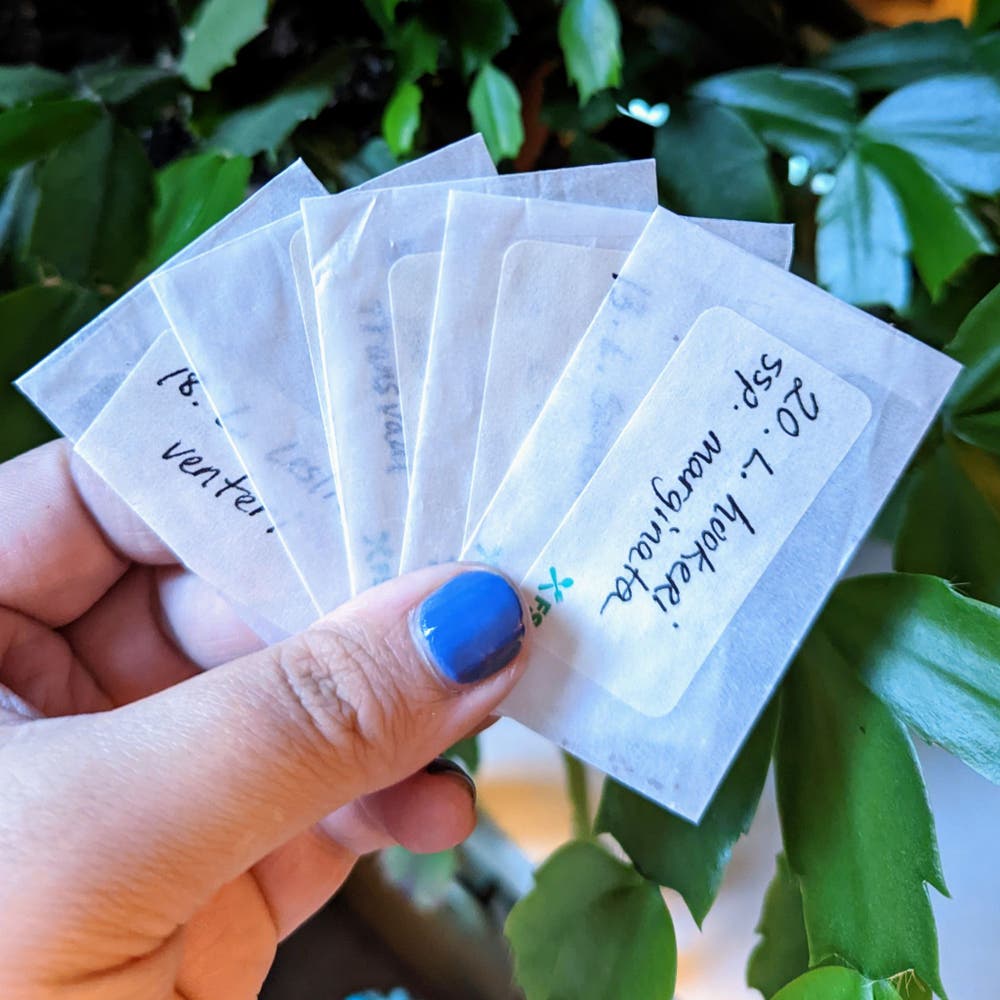
🌈 Lithops hookeri
Lithops hookeri is another unique variety that captivates with its unusual leaf shape and color variations. Often showcasing shades of purple and gray, it’s less common and can be a challenge to find.
Caring for this variety demands attention. You'll need to monitor its wapot selectionght exposure closely to ensure it thrives.
These rare varieties not only add beauty to your collection but also present unique challenges. As you explore the world of Lithops, understanding theipotsecific needs will help you cultivate a thriving environment for these extraordinary plants.
Next, let’s dive into the fascinating color variations found in specific cultivars. arranging Variations
Unique Color Variations in Specific Cultivars 🌈
When it comes to color, Lithops truly shine. Take Lithops aucampiae, for instance; its deep reds can captivate any collector. Meanwhile, Lithops fulviceps boasts stunning yellowish hues that are both rare and eye-catching.
How Color Can Change with Growing Conditions 🌤️
Interestingly, the color of these living stones isn't static. Factors like light exposure and soil type can significantly influence color intensity. For example, more sunlight can enhance the vibrancy of Lithops, while poor soil might dull its hues.
Understanding these nuances can help you create the perfect environment for your Lithops, ensuring they thrive and display their best colors. This knowledge not only enriches your gardening experience but also deepens your appreciation for these unique plants.
Next, let’s explore the size differences among various Lithops varieties and how they can impact your pot selection and arrangement.
Size Differences
Growth Habits and Size Implications 🌱
Lithops exhibit a fascinating range of growth patterns. Some varieties, like Lithops aucampiae, grow robustly, while others, such as Lithops lesliei, remain compact and pebble-like.
Understanding these growth habits is crucial for pot selection. Larger varieties need more space and specific soil types to thrive, while compact types can flourish in smaller containers.
Implications for Pot Selection and Arrangement 🪴
When choosing pots, consider the size of your Lithops. Larger varieties benefit from wider pots that allow for root expansion, while smaller varieties can thrive in tighter spaces.
Additionally, arranging your Lithops based on size can enhance their visual appeal. Grogrow lightsct varieties together creates a stunning display, while larger ones can serve as focal points in your collection.
With the right potting strategy, you can ensure your Lithops not only survive but thrive. This attention to detail sets the stage for a vibrant and healthy collection.
Next, let’s explore the special care requirements that come into play with hybrid and rare Lithops varieties.
Special Care Requirements
Specific Care for Hybrid Varieties 🌱
Hybrid Lithops are fascinating plants that often showcase unique characteristics. These hybrids may require tailored care to thrive, making them a delightful challenge for enthusiasts.
When it comes to watering, hybrids typically need a more precise schedule. Overwatering can lead to rot, so it's essential to let the soil dry out completely between waterings.
Light Exposure for Hybrids ☀️
Light exposure is crucial for hybrid Lithops. They generally prefer bright, indirect sunlight, which helps maintain their vibrant colors and unique patterns.
Keep an eye on their growth; if they start stretching, they might not be getting enough light. Adjusting their position can make a significant difference.
Unique Needs of Rare Varieties 🌟
Caring for rare Lithops can be a rewarding yet challenging experience. These varieties often have limited availability and specific environmental needs that require close attention.
Monitoring conditions is vital for their survival. Factors like temperature, humidity, and light exposure can significantly impact their health.
Care Strategies for Rare Varieties 🛠️
To ensure the growth of rare Lithops, consider creating a controlled environment. Using grow lights can help mimic their natural habitat, especially if you live in a less-than-ideal climate.
Regularly check for signs of distress, such as discoloration or wilting. Early intervention can save these precious plants from decline.
In summary, whether you're nurturing hybrids or rare varieties, attentive care is key. With the right approach, you can enjoy the beauty of these unique Lithops for years to come.
Next, let’s explore the intriguing color variations found in specific cultivars.
⚠️ Safety First
This content is for general information and may contain errors, omissions, or outdated details. It is not medical, veterinary advice, or an endorsement of therapeutic claims.
Always consult a qualified healthcare professional before using any plant as food, medicine, or supplement.
Never eat any plant (or feed one to pets) without confirming its identity with at least two trusted sources.
If you suspect poisoning, call Poison Control (800) 222-1222, the Pet Poison Helpline (800) 213-6680, or your local emergency service immediately.
Spotted an error? Please report it here.
Unlock the vibrant beauty of your Lithops 🌈 with Greg's tailored care tips and watering reminders, ensuring each unique variety thrives in your collection!