🌸 10 Tips for Propagating Your Gaura 'Siskiyou Pink'
Oenothera lindheimeri 'Siskiyou Pink'
By the Greg Editorial Team
Nov 08, 2024•7 min read
This article was created with the help of AI so we can cover more plants for you. May contain errors. See one? Report it here.
Grow your garden and save money by easily propagating Gaura 'Siskiyou Pink'! 🌱
- 🌱 Propagating Gaura 'Siskiyou Pink' saves money while expanding your garden effortlessly.
- 🌼 Maintain vibrant traits from parent plants through effective propagation techniques.
- 🌞 Ensure continuous blooms by mastering propagation for a thriving garden display.
Benefits of Propagating
Propagating your Gaura 'Siskiyou Pink' is not just a fun gardening project; it’s a cost-effective way to expand your plant collection. By using propagation methods, you can multiply your plants without spending a fortune at the nursery.
Another significant benefit is the preservation of desirable traits from parent plants. This means you can maintain the vibrant colors and unique characteristics that make your Gaura special.
Creating a continuous blooming display in your garden is another perk. With careful propagation, you can ensure that your garden is filled with beautiful blooms throughout the growing season.
Additionally, propagating encourages healthy growth and rejuvenation of older plants. This process can breathe new life into your garden, making it more vibrant and lush.
In summary, the benefits of propagating your Gaura 'Siskiyou Pink' extend beyond mere aesthetics. It’s a rewarding practice that enhances your gardening experience while promoting sustainability.
Next, let’s dive into the various methods of propagation, starting with cuttings.
Propagation by Cuttings
🌱 Selecting Healthy Cuttings
To start propagating your Gaura 'Siskiyou Pink', select stems that are 4-6 inches long. Aim for cuttings from the current season’s growth, ensuring they are free from disease and pests, with vibrant leaves and no wilting.
✂️ Preparing Cuttings for Propagation
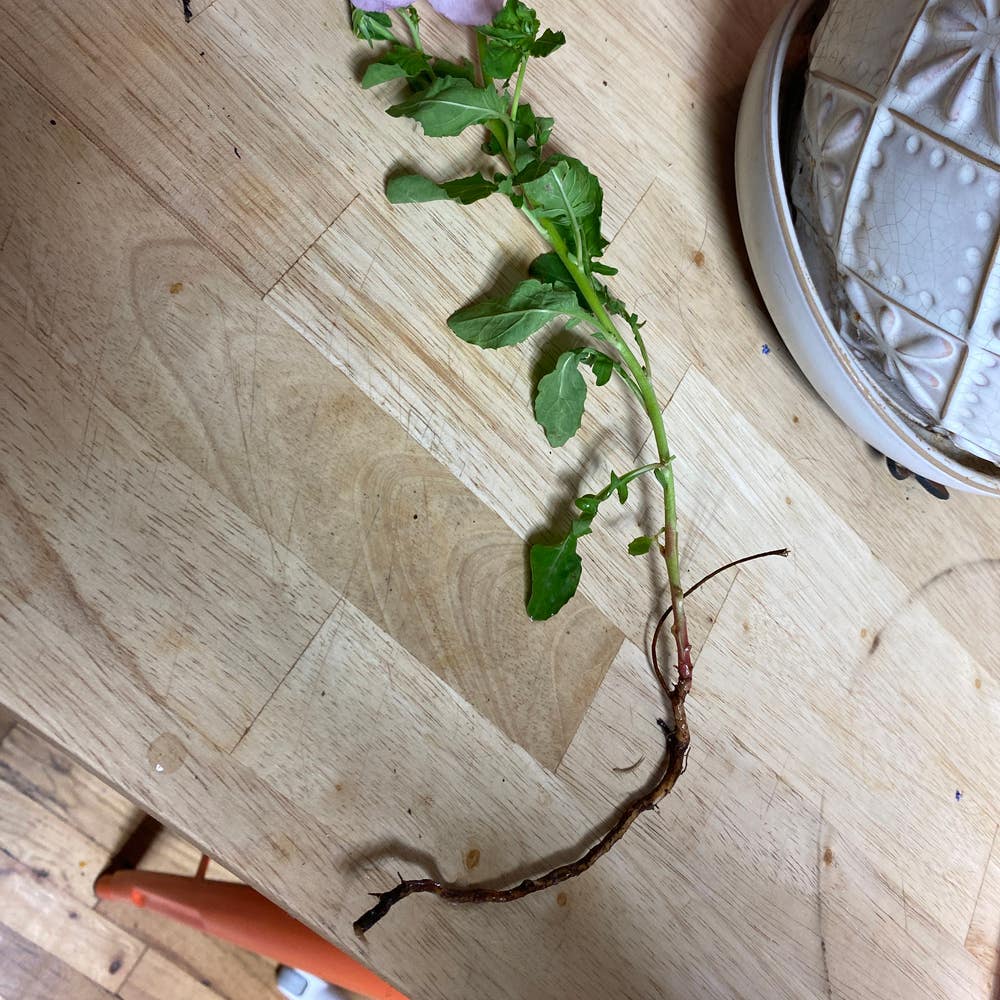
Use clean, sharp pruning shears to cut just below a leaf node. Removing the lower leaves exposes the node, which is crucial for promoting root development.
🌿 Rooting Hormone Application
Enhance root growth by dipping the cut end of your cutting into rooting hormone. Be sure to tap off any excess to prevent fungal issues that could hinder your plant's progress.
🌞 Ideal Conditions for Rooting Cuttings
For successful rooting, use a well-draining potting mix, such as a blend of perlite and peat moss. Maintain high humidity by covering the cuttings with a plastic bag or using a propagation dome, and keep them in a warm spot with indirect sunlight, ideally around 70°F (21°C).
🌼 Transplanting Rooted Cuttings
After 4-6 weeks, gently tug on the cutting to check for root development. Once established, transplant the cuttings into individual pots filled with well-draining soil, water them thoroughly, and place them in a sunny location.
With these steps, you’ll be well on your way to successfully propagating your Gaura 'Siskiyou Pink' through cuttings. Next, let’s explore how to propagate this beautiful plant using seeds.
Propagation by Seeds
Collecting Seeds 🌱
Harvesting seeds from your Gaura 'Siskiyou Pink' is a rewarding task. Aim to collect them in late summer when the seed pods turn brown and dry, indicating maturity.
Seed Preparation and Treatment 💧
Once collected, clean the seeds to remove any debris or chaff. For an extra boost, consider soaking the seeds in water for 24 hours to enhance germination rates.
Sowing Seeds Indoors vs. Outdoors 🌍
Deciding where to sow your seeds is crucial. If you choose to start indoors, sow them in seed trays about 6-8 weeks before the last frost date. For outdoor sowing, wait until after the last frost and ensure the soil is well-drained, spacing the seeds adequately.
Germination Conditions and Care 🌡️
Creating the right environment for germination is key. Keep the soil consistently moist but avoid waterlogging, as this can hinder growth.
Provide warmth and light; the ideal germination temperature ranges from 65-75°F (18-24°C). Typically, you can expect germination to occur within 2-3 weeks, bringing you one step closer to a flourishing garden.
With these steps, you're well on your way to successfully propagating your Gaura 'Siskiyou Pink' from seeds. Next, let’s explore how to propagate this lovely plant through division, another effective method to expand your garden.
Propagation by Division
🕰️ When to Divide
Dividing your Gaura 'Siskiyou Pink' is best done in early spring or fall. This timing ensures the plant is not actively blooming, allowing for a smoother transition.
Look for signs of overcrowding or reduced flowering as indicators that it's time to divide. If your plant seems cramped or is producing fewer blooms, it’s a clear signal to take action.
🛠️ Tools Needed for Division
To successfully divide your plants, gather a few essential tools:
- Sharp spade or garden fork: For digging around the plant.
- Clean, sharp knife: To cut through roots without damaging them.
- Watering can: For post-division care to ensure proper hydration.
📋 Step-by-Step Division Process
Follow these steps for effective division:
- Water the plant thoroughly a day before division to ease root removal.
- Carefully dig around the plant to lift it from the ground, keeping as many roots intact as possible.
- Use a knife to cut the root ball into sections, ensuring each section has healthy roots and shoots.
- Replant divisions immediately in well-draining soil, spacing them appropriately to allow for growth.
💧 Post-Division Care
After dividing, water the newly separated plants thoroughly. This helps settle the soil around their roots, promoting stability.
Keep an eye out for signs of stress, such as wilting. If the weather is particularly hot, providing some shade can help them recover more comfortably.
Transitioning to the next propagation method, let's explore how to propagate Gaura 'Siskiyou Pink' by seeds, which offers a different yet rewarding approach.
Common Challenges in Propagation
🕵️♂️ Identifying and Solving Rooting Issues
Propagation can sometimes feel like a game of patience, especially when rooting issues arise. Look for signs of poor rooting, such as wilting, yellowing leaves, or a complete lack of root development.
To tackle these issues, ensure that your cuttings are kept in a humid environment. Avoid overwatering, as soggy soil can lead to root rot. Additionally, regularly check for any signs of disease that might be hindering growth.
🌱 Dealing with Seed Germination Problems
Seed germination can also present its own set of challenges. Common problems include seeds that refuse to germinate or exhibit slow germination rates.
To improve your chances of success, first, check the viability of your seeds. Adjusting the temperature and ensuring consistent moisture levels can also make a significant difference in germination rates.
🐛 Managing Pests and Diseases During Propagation
Pests and diseases can pose serious threats during the propagation process. Watch out for common pests like aphids and spider mites, which can quickly affect your young plants.
To manage these pests, consider using insecticidal soap or neem oil. Maintaining good air circulation around your plants can also help prevent infestations and promote healthier growth.
By staying vigilant and addressing these common challenges, you can enhance your propagation success and enjoy the beauty of your Gaura 'Siskiyou Pink' flourishing in your garden. Next, let’s explore the seasonal considerations that can further improve your propagation efforts.
Seasonal Considerations for Propagation
Best Seasons for Each Method 🌱
Timing is everything when it comes to propagating your Gaura 'Siskiyou Pink'. For cuttings, late spring to early summer is ideal, as the plant is in its active growth phase.
Seeds should be sown indoors in late winter to early spring, while outdoor sowing is best done in late spring. Division works best in early spring or fall when temperatures are milder, allowing the plant to recover quickly.
Climate Impact on Success ☀️
Your local climate can significantly influence propagation success. In hot, dry climates, you may need to increase watering and humidity for cuttings to thrive.
Conversely, cooler climates might require starting seeds indoors to give them a head start, ensuring they have enough time to grow before the outdoor conditions become favorable.
Adjusting Techniques Based on Seasonal Changes 🍂
Be prepared to adjust your techniques as the seasons change. Modify your watering schedule according to seasonal rainfall and temperature fluctuations to keep your plants healthy.
Additionally, consider using protective coverings for young plants during unexpected cold snaps. This simple step can safeguard your efforts and ensure a successful propagation journey.
With these seasonal insights, you’re well-equipped to propagate your Gaura 'Siskiyou Pink' effectively. Next, let’s explore common challenges you might face during propagation and how to tackle them.
⚠️ Safety First
This content is for general information and may contain errors, omissions, or outdated details. It is not medical, veterinary advice, or an endorsement of therapeutic claims.
Always consult a qualified healthcare professional before using any plant as food, medicine, or supplement.
Never eat any plant (or feed one to pets) without confirming its identity with at least two trusted sources.
If you suspect poisoning, call Poison Control (800) 222-1222, the Pet Poison Helpline (800) 213-6680, or your local emergency service immediately.
Spotted an error? Please report it here.
Expand your garden with vibrant blooms 🌸 by using Greg's tailored reminders and propagation tips to ensure your Gaura 'Siskiyou Pink' thrives every step of the way!