🌸 Step-by-Step Guide to Repotting Your Gaura 'Siskiyou Pink'
Oenothera lindheimeri 'Siskiyou Pink'
By the Greg Editorial Team
Nov 08, 2024•4 min read
This article was created with the help of AI so we can cover more plants for you. May contain errors. See one? Report it here.
Unlock your Gaura's full potential 🌱 by mastering the perfect timing and pot choice for vibrant growth!
- 🌱 Best times to repot Gaura 'Siskiyou Pink are early spring and fall.
- ❗️ Avoid extreme temperatures during repotting to prevent plant shock.
- 🪴 Check for root-bound signs to know when to repot, even off-season.
Best Time of Year to Repot
🌱 Optimal Seasons
Timing is everything when it comes to repotting your Gaura 'Siskiyou Pink'. The best windows are early spring, just before the plant starts its new growth, and fall, after the blooming has wrapped up.
Repotting during these seasons allows your plant to adjust without the stress of competing with new growth or blooming cycles. This strategic timing can lead to a healthier, more vibrant plant.
⏰ Timing Considerations
While spring and fall are ideal, it's crucial to avoid repotting during extreme heat or frost. These conditions can shock the plant, making it harder for it to adapt to its new environment.
Keep an eye on your Gaura's growth patterns. If you notice signs of being root-bound or unhealthy soil, it may be time to repot, even if it's not the perfect season. Trust your instincts and your plant's signals for the best results.
Pot Material Options
Choosing the right pot material for your Gaura 'Siskiyou Pink' is crucial for its health and growth. Each material comes with its own set of advantages and disadvantages.
⚖️ Pros and Cons of Each Material
Ceramic
Ceramic pots are visually appealing and provide good insulation for roots. However, they can be heavy and may retain too much moisture, which can lead to root rot.
Plastic
Plastic pots are lightweight and affordable, making them a popular choice. They offer good drainage options but are less durable and can heat up quickly in direct sunlight.
Terracotta
Terracotta pots excel in drainage and allow for air circulation, promoting healthy root systems. On the downside, they can dry out quickly and are more fragile than other materials.
Metal
Metal pots bring a modern aesthetic and are quite durable. Yet, they can overheat in the sun and may not provide adequate drainage, which is essential for your Gaura.
🌱 Recommended Materials for Optimal Growth
For optimal growth, terracotta is often the best choice due to its excellent drainage capabilities. If you prefer something lighter, plastic pots are a solid option.
Avoid overly decorative pots that lack drainage holes, as they can hinder your plant's health. Prioritize functionality to ensure your Gaura thrives in its new home.
With the right pot material, your Gaura will have the best chance to flourish. Next, let’s explore common repotting mistakes to avoid during this process.
Common Repotting Mistakes
🌱 Overpotting vs. Underpotting
One of the most common mistakes when repotting your Gaura is overpotting. Using a pot that’s too large can lead to excess soil retaining too much moisture, which may cause root rot.
On the flip side, underpotting can be just as detrimental. If the roots are cramped, they can become stressed, stunting the plant's growth and overall health.
🚰 Not Checking Drainage Holes
Another critical oversight is neglecting to check the drainage holes in your new pot. Clogged holes can lead to waterlogging, which suffocates roots and promotes fungal diseases.
Always ensure that these holes are clear before you start the repotting process. This simple step can save your plant from a lot of unnecessary stress.
🌿 Ignoring Root Health During Repotting
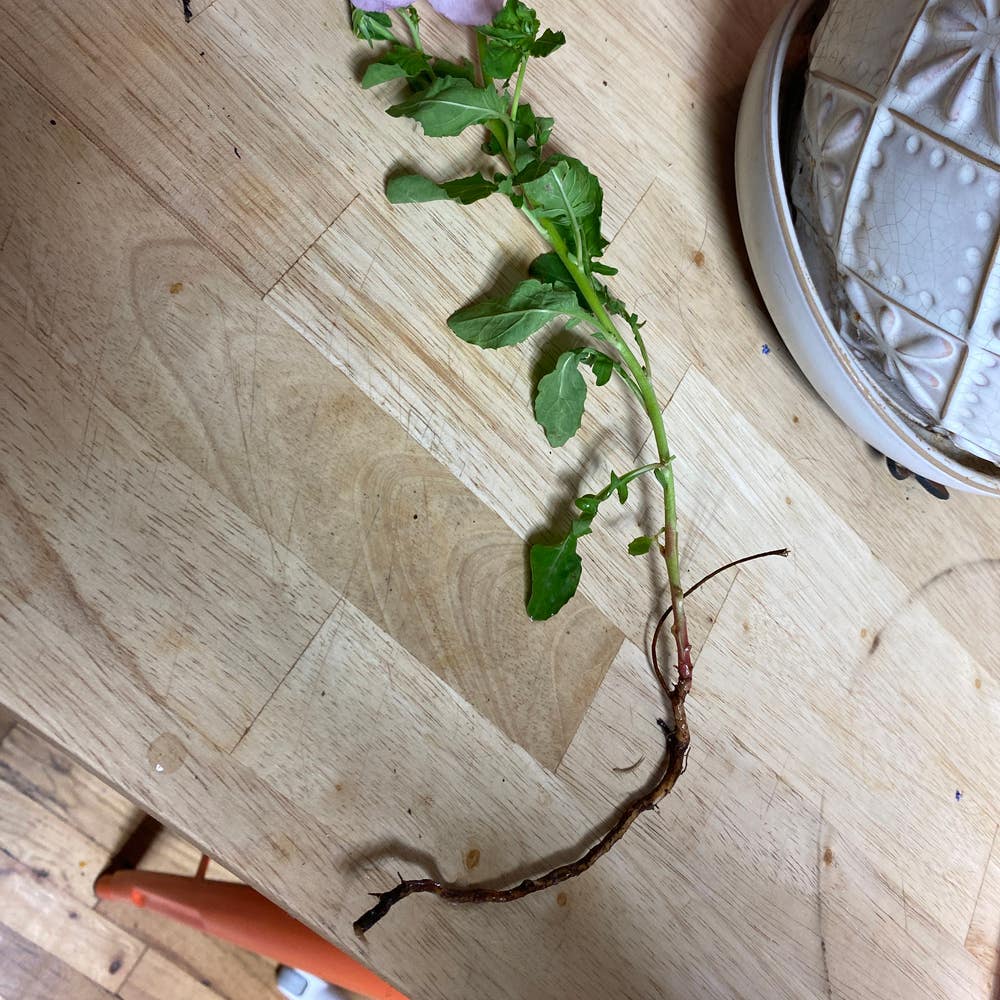
Lastly, don’t overlook the health of the roots while repotting. Inspecting and trimming damaged or excessively long roots is essential for promoting healthy growth.
Taking the time to care for the root system can make a significant difference in how well your Gaura thrives after repotting. A little attention here goes a long way in ensuring your plant flourishes.
With these common mistakes in mind, you can approach repotting with confidence. Next, let’s explore how to troubleshoot any issues that may arise after repotting your Gaura.
Troubleshooting After Repotting
Signs of Stress and Solutions 🌱
After repotting your Gaura 'Siskiyou Pink', it’s crucial to monitor for signs of stress. Adjust your watering schedule based on the soil moisture; if it dries out too quickly, increase watering frequency.
If your plant seems to be struggling, providing temporary shade can help it acclimate to its new environment. This is especially important if you've repotted during warmer months.
Identifying and Solving Common Issues 🐛
One of the most common issues post-repotting is root rot. Look for signs like mushy roots or a foul smell. If you notice these symptoms, remove the plant from the pot, trim away the affected roots, and repot it in fresh, well-draining soil.
Another issue to watch for is leaf yellowing. This can indicate that your Gaura is either getting too much or too little water. Adjusting light exposure and water conditions can often resolve this problem, helping your plant bounce back to health.
By staying vigilant and responsive to your plant's needs, you can ensure a smooth transition after repotting. Next, let’s explore common repotting mistakes to avoid for future success.
⚠️ Safety First
This content is for general information and may contain errors, omissions, or outdated details. It is not medical, veterinary advice, or an endorsement of therapeutic claims.
Always consult a qualified healthcare professional before using any plant as food, medicine, or supplement.
Never eat any plant (or feed one to pets) without confirming its identity with at least two trusted sources.
If you suspect poisoning, call Poison Control (800) 222-1222, the Pet Poison Helpline (800) 213-6680, or your local emergency service immediately.
Spotted an error? Please report it here.
Transform your Gaura 'Siskiyou Pink' into a thriving beauty 🌸 with Greg's tailored care reminders and expert tips for a seamless repotting experience!