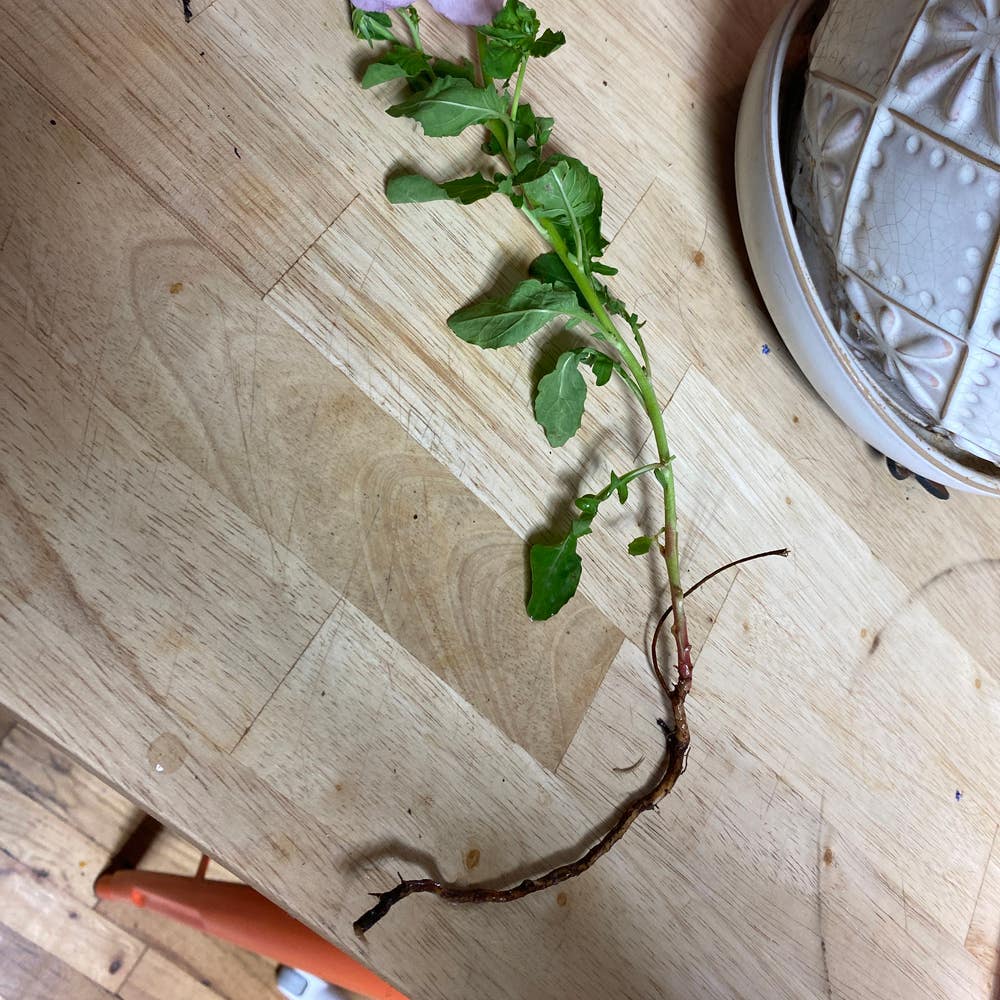
🌸 Why Your Gaura 'Siskiyou Pink' Leaves Are Dropping
Oenothera lindheimeri 'Siskiyou Pink'
By the Greg Editorial Team
Nov 08, 2024•6 min read
This article was created with the help of AI so we can cover more plants for you. May contain errors. See one? Report it here.
Revive your Gaura 'Siskiyou Pink' and prevent leaf drop with these essential care tips! 🌿
- 💧 Overwatering and underwatering both cause leaf drop in Gaura 'Siskiyou Pink'.
- 🌱 Regular soil checks ensure proper moisture levels for healthy growth.
- 🐛 Inspect for pests and diseases to maintain your plant's vitality.
Diagnosing Leaf Drop Issues
Identifying Symptoms of Overwatering 🌊
Overwatering is a common culprit behind leaf drop in Gaura 'Siskiyou Pink.' Look for visual signs such as yellowing leaves and mushy stems, which indicate that the roots are drowning.
To confirm overwatering, check the soil moisture. Use a moisture meter or simply insert your finger into the soil to gauge its dampness.
Recognizing Signs of Underwatering 💧
On the flip side, underwatering can also lead to leaf drop. Symptoms include wilting, dry soil, and crispy leaves, signaling that your plant is thirsty.
Assess the soil's depth for dryness. If the top few inches are dry, it's time to give your Gaura a good drink.
Checking for Pests and Diseases 🐛
Pests and diseases can wreak havoc on your Gaura's health. Inspect the undersides of leaves for any signs of pests, such as webbing or tiny insects.
Utilize tools like a magnifying glass or smartphone apps for pest identification. These can help you spot issues that might not be visible to the naked eye.
Assessing Environmental Conditions 🌡️
Environmental factors play a significant role in your plant's well-being. Monitor temperature and humidity using a thermometer and hygrometer to ensure your Gaura is comfortable.
Consider the location of your plant as well. Adequate sun exposure and protection from harsh winds are crucial for healthy growth.
Soil Testing for Nutrient Levels 🧪
Understanding your soil's nutrient levels is essential for optimal plant health. Start by collecting soil samples, ensuring you dig to the appropriate depth for accurate results.
Once you have your samples, interpret the soil test results. This will help you understand your Gaura's nutrient needs and guide your fertilization efforts.
By diagnosing these issues early, you can take proactive steps to keep your Gaura 'Siskiyou Pink' thriving. Next, let's explore how to prevent leaf drop in the first place.
Preventing Leaf Drop
💧 Proper Watering Techniques
To keep your Gaura 'Siskiyou Pink' thriving, deep watering is essential. This method encourages robust root growth, allowing the plant to access moisture more effectively.
Adjust your watering frequency based on the season. During the hot summer months, you may need to water more often, while in winter, reduce the frequency to prevent overwatering.
🌱 Soil Selection and Amendments
Choosing the right soil is crucial for your Gaura's health. Sandy loam or a well-draining potting mix works best, providing the right balance of moisture retention and drainage.
Consider adding organic matter to your soil. This amendment improves soil structure and enhances nutrient availability, promoting healthier plant growth.
🐞 Pest Management Strategies
Regular inspections are key to preventing pest issues. Look for signs of infestation and consider introducing beneficial insects to keep harmful pests at bay.
For organic pest control, neem oil and insecticidal soap are effective options. These treatments help manage pests without harming beneficial insects or the environment.
🍂 Seasonal Care Adjustments
Adjust your care routine with the changing seasons. This includes modifying watering frequency and timing for fertilization to match your plant's needs.
Mulching is another important practice. It helps retain moisture and regulates soil temperature, creating a stable environment for your Gaura.
🌼 Fertilization Guidelines
Using the right fertilizers can make a significant difference. Balanced NPK or slow-release formulas are recommended for optimal growth.
Timing is also crucial; fertilize in early spring and again in mid-summer to support your plant's growth cycles effectively.
By implementing these preventative measures, you can ensure your Gaura 'Siskiyou Pink' remains healthy and vibrant. Next, we’ll explore how to treat leaf drop problems effectively.
Treating Leaf Drop Problems
🌊 Steps to Revive Overwatered Gaura
If your Gaura 'Siskiyou Pink' is suffering from overwatering, the first step is to assess the soil moisture. Use a moisture meter or your finger to check if the soil is soggy.
Next, adjust your watering schedule. Allow the soil to dry out between waterings to prevent further stress on the plant.
Finally, improve drainage if necessary. Repot your Gaura with well-draining soil to ensure excess water can escape.
💧 How to Address Underwatering
Underwatering can also lead to leaf drop, so it's crucial to act quickly. Start by watering thoroughly, ensuring that water penetrates deeply into the soil.
Monitor the soil moisture regularly to prevent recurrence. Adjust your watering schedule to increase frequency during dry spells, keeping your plant hydrated.
🐛 Pest Control Methods
Pests can be a hidden culprit behind leaf drop. Begin by identifying any pests present; use traps and conduct visual inspections to catch them early.
For treatment, consider options like insecticidal soap or neem oil. Introducing natural predators can also help manage pest populations effectively.
🍄 Treating Fungal Infections
Fungal infections, particularly root rot, can devastate your Gaura. Look for signs such as wilting or a foul smell from the roots.
If you suspect root rot, take action by removing affected roots. Repot the plant in fresh soil and adjust your watering practices to prevent future issues.
🌤️ Adjusting Environmental Conditions
Sometimes, environmental factors play a significant role in leaf drop. Modifying the plant's location can make a big difference; move it to a spot with optimal light and temperature.
Additionally, consider using humidity trays to increase moisture around the plant if needed. This can create a more favorable environment for your Gaura to thrive.
By addressing these issues, you can help your Gaura 'Siskiyou Pink' bounce back and flourish. Next, let’s explore long-term care strategies to keep your plant healthy and vibrant.
Long-term Care for Healthy Gaura 'Siskiyou Pink'
🌱 Regular Maintenance Practices
Routine checks are essential for keeping your Gaura 'Siskiyou Pink' thriving. Regularly inspect your plant for pests and diseases to catch any issues early.
Establishing a consistent watering and fertilization schedule is crucial. This helps ensure your plant receives the nutrients it needs to flourish throughout the growing season.
🌦️ Seasonal Care Tips
As winter approaches, adjust your care routine by reducing watering. Protect your Gaura from frost by moving it to a sheltered location or covering it during cold snaps.
When summer arrives, focus on ensuring adequate hydration. This is the time for your Gaura to soak up the sun, so make sure it gets plenty of light and water.
✂️ Pruning Techniques to Promote Growth
Pruning is vital for encouraging healthy growth. The best time to prune your Gaura is late winter or early spring, just before new growth begins.
Use techniques like deadheading spent flowers and removing dead or damaged leaves. This not only keeps your plant looking tidy but also promotes more blooms.
👀 Monitoring for Early Signs of Stress
Keep an eye on your plant with regular visual inspections. Look for changes in leaf color and texture, as these can indicate stress.
Consider keeping a care journal to document changes and your care routines. This can help you identify patterns and make adjustments as needed.
By following these long-term care practices, your Gaura 'Siskiyou Pink' will remain healthy and vibrant, ready to brighten your garden or home. Next, let’s explore how to treat specific leaf drop problems effectively.
⚠️ Safety First
This content is for general information and may contain errors, omissions, or outdated details. It is not medical, veterinary advice, or an endorsement of therapeutic claims.
Always consult a qualified healthcare professional before using any plant as food, medicine, or supplement.
Never eat any plant (or feed one to pets) without confirming its identity with at least two trusted sources.
If you suspect poisoning, call Poison Control (800) 222-1222, the Pet Poison Helpline (800) 213-6680, or your local emergency service immediately.
Spotted an error? Please report it here.
Keep your Gaura 'Siskiyou Pink' thriving 🌱 by using Greg's personalized care reminders to master watering and seasonal adjustments, ensuring those leaves stay vibrant and healthy!