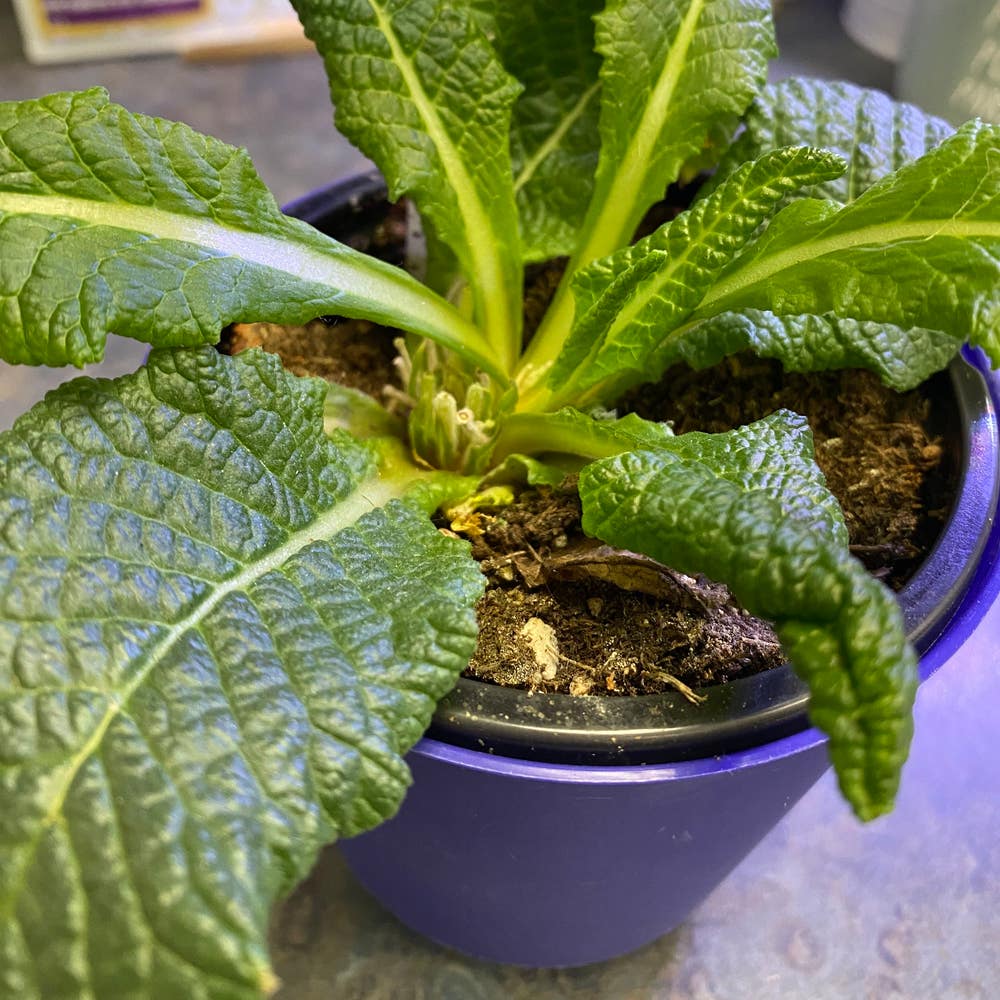
Ultimate Guide to Primula amethystina subsp. brevifolia 🌸
Primula amethystina subsp. brevifolia
By the Greg Editorial Team
Feb 01, 2025•12 min read
This article was created with the help of AI so we can cover more plants for you. May contain errors. See one? Report it here.
Elevate your garden's beauty and biodiversity with the stunning Primula amethystina subsp. brevifolia! 🌼🌱
- 🌱 Primula amethystina thrives in cool, moist, partially shaded environments for optimal growth.
- 🌼 Fertilize in early spring and prune after flowering to encourage healthy growth.
- 🐾 Non-toxic to pets, but large quantities may cause mild gastrointestinal upset.
How to Grow
Choosing a Location 🌳
Primula amethystina subsp. brevifolia thrives in cool, moist environments with partial shade. Selecting the right microclimate in your garden can significantly enhance its growth and flowering potential.
Soil Preparation 🏞️
For optimal growth, ensure the soil is well-draining and rich in humus. Aim for a pH level between 6.0 and 7.0, which is slightly acidic to neutral, to create the best conditions for your plants.
Planting Techniques 🌱
The best time to plant these beauties is in early spring or fall. Space them 12 to 18 inches apart to allow for healthy growth and airflow.
Watering Requirements 💧
Keep the soil consistently moist, but avoid waterlogging. Watch for signs of overwatering, like yellowing leaves, or underwatering, which may cause wilting.
Fertilizing Tips 🌼
Feed your Primula with a balanced fertilizer in early spring for best results. Both organic and synthetic options work well, but organic fertilizers can enhance soil health over time.
Pruning Methods ✂️
Prune your plants after flowering to encourage new growth. Techniques like deadheading spent blooms and removing damaged leaves can keep your Primula looking its best.
Ongoing Care 🪴
If you're growing Primula in containers, ensure proper drainage and use a suitable potting mix. Adjust your care routine seasonally based on weather conditions to keep your plants thriving.
With these tips, you're well on your way to cultivating a vibrant display of Primula amethystina subsp. brevifolia in your garden. Next, let’s explore how to propagate these lovely plants for even more blooms!
Propagation
🌱 Seed Propagation
Seed propagation is a rewarding way to grow Primula amethystina subsp. brevifolia. For successful seed collection, harvest seeds when they are fully mature, typically in late spring or early summer.
Germination requires specific conditions: maintain a temperature of 60-70°F and provide bright, indirect light. This ensures that your seeds have the best chance to sprout and thrive.
✂️ Division of Established Plants
Dividing established plants is another effective propagation method. The best time for division is early spring or fall, as this allows the plant to recover before the growing season.
Use clean, sharp tools to divide the roots carefully. Ensure each division has healthy roots and foliage to promote successful re-establishment.
🌿 Cuttings Method
Taking cuttings is a more advanced propagation technique. Select healthy stems that are 3-4 inches long, ensuring they are free from disease and pests.
For rooting, place the cuttings in a well-draining medium, such as perlite or a mix of peat and sand. Maintain high humidity and warmth to encourage root development, and watch for new growth as a sign of success.
With these propagation methods, you can expand your Primula collection and enjoy their beauty in various garden spots.
Lifecycle
Lifecycle Stages 🌱
Primula amethystina subsp. brevifolia is classified as a perennial plant. This means it will return year after year, providing beauty and interest in your garden.
Germination Process 🌱
The germination process for these seeds typically takes about 2-4 weeks. Providing the right conditions can significantly enhance the success rate.
Seedling Stage 🌱
During the seedling stage, you'll notice small, delicate plants emerging. They require careful attention, including adequate moisture and light, to thrive.
Vegetative Growth 🌱
As the plants enter vegetative growth, they develop lush foliage. This stage is crucial for building energy reserves for future flowering.
Flowering Phase 🌸
Flowering usually occurs in spring, showcasing vibrant blooms. This is the highlight of the plant's lifecycle, attracting pollinators and adding color to your garden.
Seed Production 🌱
After flowering, the plant begins the seed production process. This is essential for the continuation of the species and can lead to new plants in your garden.
Lifespan and Growth Timeline ⏳
Primula amethystina subsp. brevifolia has an overall lifespan of 3-5 years. With a moderate growth rate, these plants typically reach maturity within 1-2 years, making them a rewarding addition to any garden.
This lifecycle overview highlights the resilience and beauty of Primula amethystina subsp. brevifolia. Understanding these stages can help you provide the best care and enjoy a thriving garden. Next, we will explore the size characteristics of this lovely perennial.
Size
Mature Height and Spread 🌱
Primula amethystina subsp. brevifolia typically reaches a mature height of 6 to 12 inches. Its spread can range from 12 to 18 inches, making it a compact yet vibrant addition to any garden.
Growth Rate and Size Variability 📈
Several factors influence the growth rate of this perennial. Soil quality, light exposure, and moisture levels play crucial roles in determining how quickly and robustly your plants will grow.
Factors Affecting Size 📏
The planting method can significantly impact size. Plants grown in containers may exhibit different growth patterns compared to those planted directly in the ground.
Additionally, climate and care practices contribute to variability in size. For instance, consistent watering and appropriate fertilization can lead to healthier, larger plants.
Understanding these factors will help you cultivate Primula amethystina subsp. brevifolia to its full potential, ensuring a stunning display in your garden.
Roots
🌱 Root System Characteristics
Primula amethystina subsp. brevifolia features a fibrous root system. This type of root structure allows for efficient nutrient absorption and stability in the soil.
📏 Depth and Spread of Roots
The typical root depth ranges from 6 to 12 inches. The spread of the roots correlates directly with the plant's size and overall health, ensuring it can access necessary resources.
⚠️ Common Root-Related Issues
Root rot is a common issue that can affect these plants, often caused by overwatering or poorly draining soil. Recognizing the early signs of root rot is crucial for maintaining plant health.
👀 Identifying Healthy vs. Unhealthy Roots
Healthy roots are typically firm and white, indicating good vitality. In contrast, unhealthy roots may appear dark, mushy, or have a foul odor.
🔄 Recognizing Rootbound Conditions
Rootbound plants exhibit signs such as stunted growth and circling roots. To remedy this, consider repotting or employing root pruning techniques to encourage healthier growth.
Understanding the root system of Primula amethystina subsp. brevifolia is essential for successful cultivation. With proper care and attention to root health, your plants can thrive beautifully.
Benefits
Top 5 Benefits 🌟
Primula amethystina subsp. brevifolia offers a range of advantages that make it a fantastic addition to any garden. Here are the top five benefits:
Attracts Pollinators: This plant is a magnet for bees and butterflies, enhancing garden biodiversity and supporting local ecosystems.
Beautiful Spring Blooms: Its vibrant flowers bring a splash of color to your garden in spring, creating a stunning visual display.
Low Maintenance: Ideal for beginner gardeners, this species requires minimal care, allowing you to enjoy your garden without constant upkeep.
Thrives in Challenging Conditions: Whether in rocky soil or shaded areas, this plant adapts well, making it a resilient choice for diverse environments.
Cultural Significance: In various regions, Primula amethystina symbolizes renewal and rebirth, adding a layer of meaning to your garden.
These benefits not only enhance your gardening experience but also contribute positively to the environment. As you consider adding this beautiful perennial to your landscape, think about how it can enrich both your space and the surrounding ecosystem.
Next, let's explore the concept of companion planting and how it can further enhance your gardening success.
Companion Plants
🌱 Concept of Companion Planting
Companion planting is a gardening technique that pairs plants together for mutual benefits. This method can enhance growth and provide natural pest management, creating a more resilient garden ecosystem.
🌼 Best Companion Plants
When growing Primula amethystina subsp. brevifolia, consider these ideal companions:
- Ferns: Their lush foliage complements the primula's blooms while thriving in similar conditions.
- Alpine Plants: These hardy species share the same preference for cool, moist environments.
- Other Shade-Loving Species: Plants like hostas and astilbes can create a vibrant, diverse garden space.
🚫 Plants to Avoid
Be cautious of certain plants that may compete for resources or attract pests. Avoid planting:
- Aggressive Growers: Species like mint can overshadow primulas and steal nutrients.
- Pest Magnets: Plants that attract aphids or spider mites can create problems for your primula.
By carefully selecting companion plants, you can foster a thriving garden that supports the health and beauty of your Primula amethystina subsp. brevifolia. This thoughtful approach not only enhances your garden's aesthetics but also promotes a balanced ecosystem.
Next, let's explore the potential toxicity of Primula amethystina subsp. brevifolia to humans.
Toxicity to Humans
⚠️ Potential for Irritation
Primula amethystina subsp. brevifolia can cause mild to moderate irritation. While it’s not highly toxic, caution is still advised when handling this plant.
🌿 Specific Parts Causing Irritation
The leaves and flowers are the primary culprits for any irritation. Contact with these parts can lead to discomfort, so it's wise to be mindful.
🤕 Symptoms of Discomfort
Common symptoms include skin rashes and mild gastrointestinal upset. If you experience any irritation, it’s usually temporary and manageable.
🧤 Safe Handling Tips
To minimize irritation risk, wear gloves when handling the plant. Additionally, wash your hands thoroughly after contact to ensure any potential irritants are removed.
Being aware of these factors can help you enjoy your gardening experience without worry. Now that you know how to handle Primula amethystina safely, let’s explore its effects on our furry friends!
Toxicity to Dogs
Safety for Dogs 🐶
Primula amethystina subsp. brevifolia is considered non-toxic to dogs, according to veterinary sources. This means you can enjoy these beautiful plants in your garden without worrying about your furry friends getting sick.
Minor Issues from Excessive Consumption 🤢
While the plant is safe, consuming large quantities may lead to mild gastrointestinal upset. Symptoms can include a bit of nausea or an upset stomach, but these are generally not severe.
Tips for Introducing to Homes with Dogs 🏡
When introducing Primula amethystina to your home, consider strategic placement. Keep the plants in areas that are less accessible to your dog, especially if they tend to chew on greenery.
Monitor your dog's behavior around the plants. If they show excessive interest, you might want to redirect their attention with toys or other safe plants. This way, you can enjoy your garden while ensuring your dog's safety.
As you explore the joys of gardening with Primula amethystina, rest assured that your canine companions can safely roam around your vibrant blooms.
Toxicity to Cats
Safety for Cats 🐱
Primula amethystina subsp. brevifolia is considered non-toxic to cats, according to veterinary sources. This means you can enjoy this beautiful plant without worrying about your feline friends.
Minor Issues from Excessive Consumption 🤢
While the plant is safe, consuming large quantities may lead to mild gastrointestinal upset in cats. It's always best to monitor their behavior after they nibble on any plant.
Tips for Introducing to Homes with Cats 🏡
When introducing this plant to your home, consider placing it in areas that are less accessible to your cats. Observing their behavior around the plant can help ensure they don't overindulge.
With these precautions, you can enjoy the vibrant blooms of Primula amethystina subsp. brevifolia while keeping your cats safe and happy.
Problems
🌱 Common Problems
Growing Primula amethystina subsp. brevifolia can be rewarding, but it's not without its challenges. Here are the top five common issues you might encounter:
- Overwatering
- Pest infestations
- Poor soil quality
- Insufficient light
- Fungal diseases
🔍 Identifying Symptoms and Causes
Recognizing the symptoms of these problems early can save your plants.
- Overwatering: Yellowing leaves and root rot are telltale signs.
- Pest infestations: Look for discolored leaves or webbing, indicating pests like spider mites.
- Poor soil quality: Stunted growth and nutrient deficiencies often stem from inadequate soil.
- Insufficient light: Leggy growth and pale foliage suggest your plant isn't getting enough sunlight.
- Fungal diseases: Dark spots on leaves or a powdery coating can indicate fungal issues.
🛠️ Solutions for Each Problem
Addressing these problems promptly can help your Primula thrive.
- Overwatering: Allow the soil to dry out between waterings and improve drainage.
- Pest infestations: Use insecticidal soap or neem oil to treat affected plants.
- Poor soil quality: Amend with organic matter to enhance nutrient content and drainage.
- Insufficient light: Move your plants to a brighter location or supplement with grow lights.
- Fungal diseases: Remove affected leaves and apply a fungicide if necessary.
By staying vigilant and proactive, you can ensure your Primula amethystina subsp. brevifolia remains healthy and vibrant. Next, let’s explore the potential pest issues that could affect your plants.
Bugs
🐞 Potential Pest Issues
Primula amethystina subsp. brevifolia can face various pest challenges. Understanding its resistance and susceptibility is crucial for maintaining healthy plants.
🔍 Identification of Pests
Common pests that may invade include:
- Spider Mites: Tiny, often invisible, these pests create fine webs and cause stippling on leaves.
- Aphids: Small, soft-bodied insects that cluster on new growth, sucking sap and potentially transmitting diseases.
- Mealybugs: White, cottony pests that can be found in leaf axils, feeding on plant juices and weakening the plant.
⚠️ Damage Caused by Pests
Each pest leaves its mark. Spider mites cause yellowing and speckled leaves, while aphids can lead to curled or distorted foliage. Mealybugs can result in sticky residue and sooty mold, which can further harm your plant's health.
💊 Effective Treatment Options
To combat these pests, consider both organic and chemical solutions:
- Organic Options: Neem oil and insecticidal soap are effective against many pests and are safe for the environment.
- Chemical Solutions: For severe infestations, systemic insecticides can provide a more aggressive approach. Always follow label instructions for safe application.
By staying vigilant and addressing pest issues promptly, you can ensure your Primula thrives beautifully. Next, let’s explore what animals might be lurking around, looking to nibble on your plants.
What Eats
Common Animals 🦌
Primula amethystina subsp. brevifolia can attract a variety of hungry critters. The most common culprits include deer, rabbits, and squirrels.
Signs of Animal Presence 🐾
Detecting animal activity is crucial for protecting your plants. Look for signs such as chewed leaves, droppings, and tracks around your garden.
Types of Damage Caused 🐇
Each animal leaves its mark in different ways. Deer tend to nibble on the tops of plants, while rabbits often munch on lower foliage. Squirrels may dig around the base, disrupting roots.
Deterrent Methods 🚫
To safeguard your Primula, consider both chemical and organic deterrents. Chemical repellents can be effective, but organic options like planting strong-smelling herbs or using physical barriers can also work wonders.
By staying vigilant and employing these strategies, you can enjoy your beautiful blooms without the worry of unwanted visitors.
⚠️ Safety First
This content is for general information and may contain errors, omissions, or outdated details. It is not medical, veterinary advice, or an endorsement of therapeutic claims.
Always consult a qualified healthcare professional before using any plant as food, medicine, or supplement.
Never eat any plant (or feed one to pets) without confirming its identity with at least two trusted sources.
If you suspect poisoning, call Poison Control (800) 222-1222, the Pet Poison Helpline (800) 213-6680, or your local emergency service immediately.
Spotted an error? Please report it here.
Cultivate a vibrant garden 🌱 with Primula amethystina subsp. brevifolia by using Greg's tailored care reminders to keep your plants thriving and pollinators buzzing!