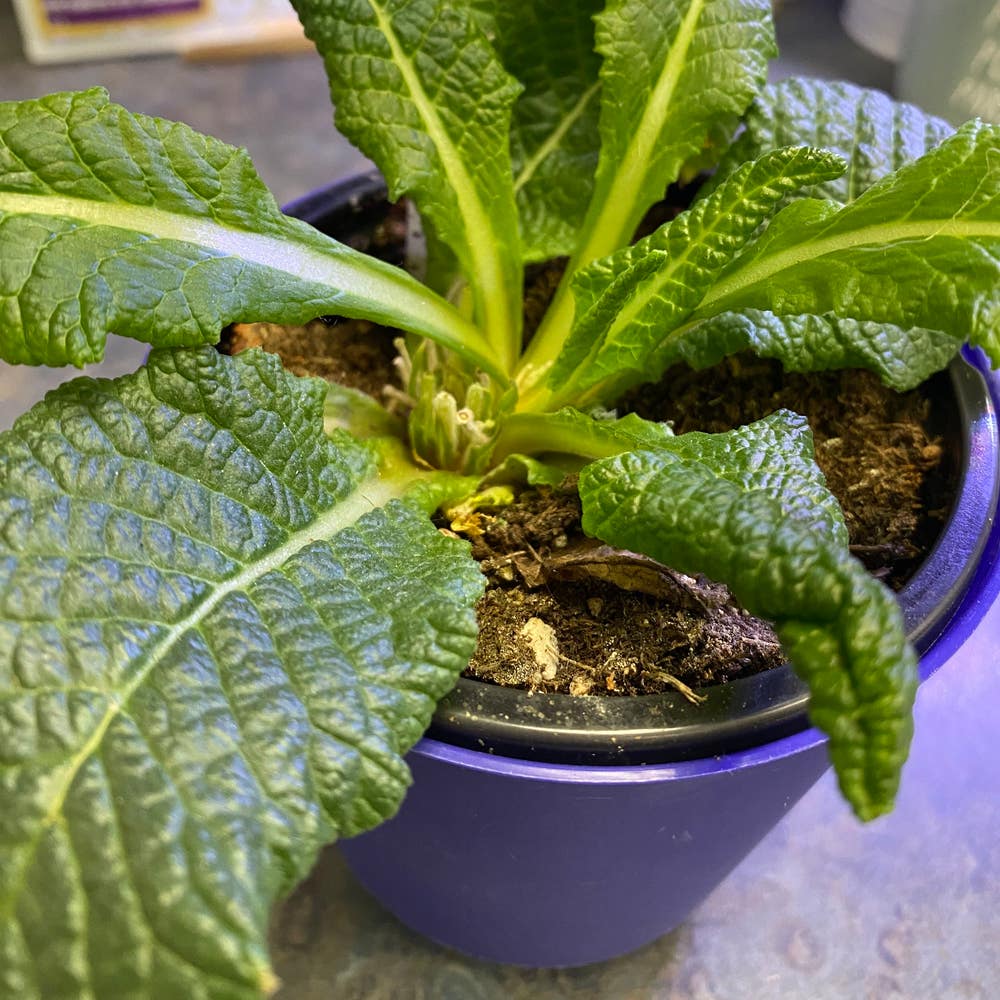
Amethyst Primrose Explained: Key Information 🌸
Primula amethystina subsp. brevifolia
By the Greg Editorial Team
Jan 26, 2025•11 min read
This article was created with the help of AI so we can cover more plants for you. May contain errors. See one? Report it here.
Unlock the secrets to thriving Amethyst Primrose blooms 🌼 and elevate your garden's beauty effortlessly!
- 🌞🌱 Amethyst Primrose thrives in various light conditions; ensure well-drained, moist soil.
- 🌼✂️ Prune after flowering to encourage growth and remove dead leaves for health.
- 🐾 Generally safe for pets, but excessive consumption may cause mild gastrointestinal upset.
How to Grow
Choosing a Location 🌞
Amethyst Primrose thrives in a range of light conditions, from partial shade to full sun. Ensure the chosen spot has well-drained soil that remains consistently moist for optimal growth.
Soil Preparation 🌱
For the best results, aim for moist, well-drained soils enriched with organic matter. The ideal pH level for Amethyst Primrose is slightly acidic to neutral, ranging from 6.0 to 7.0.
Planting Techniques 🌼
When planting, dig holes that are 1-2 inches deep. Space your plants 12-18 inches apart to give them room to flourish.
Watering Requirements 💧
Keep the soil consistently moist, especially during dry spells. Be cautious to avoid waterlogging; good drainage is essential for healthy plants.
Fertilizing Schedule 🌿
Use a balanced, slow-release fertilizer to nourish your Amethyst Primrose. Apply it in early spring and again in mid-summer for best results.
Pruning Methods ✂️
Prune your plants after flowering to encourage new growth. Techniques include deadheading spent flowers and removing any dead leaves to maintain health.
Ongoing Care 🪴
If growing in containers, ensure pots have drainage holes and use a quality potting mix. Adjust your watering frequency based on seasonal changes and monitor moisture levels closely.
This foundational knowledge sets you up for success in growing Amethyst Primrose. Next, let’s explore how to propagate this beautiful plant effectively.
Propagation
🌱 Seed Propagation
To propagate Amethyst Primrose from seeds, timing is crucial. Aim to sow seeds in early spring or fall, ensuring they remain moist and warm, ideally around 65-70°F, for optimal germination.
✂️ Division Propagation
Another effective method is division propagation. The best time to divide clumps is also early spring or fall; simply separate the clumps carefully and replant them immediately to encourage healthy growth.
By mastering these propagation techniques, you can easily expand your Amethyst Primrose collection and enjoy its vibrant beauty throughout your garden. Next, let’s explore the lifecycle of this stunning perennial.
Lifecycle
Lifecycle Stages 🌱
The Amethyst Primrose is a perennial plant, meaning it lives for multiple years. Its lifecycle includes several key stages: germination, seedling development, vegetative growth, flowering, and seed production.
Germination Process 🌼
Germination typically takes 2-3 weeks under optimal conditions. Keeping the seeds moist and warm is crucial for successful sprouting.
Seedling Development 🌿
Once germinated, the seedling stage lasts about 4-6 weeks until true leaves appear. During this time, the young plants establish their roots and prepare for further growth.
Flowering and Seed Production 🌸
Flowering occurs from late spring to early summer, showcasing vibrant blooms. After flowering, the plant produces seeds, usually in late summer, completing its lifecycle and ensuring future generations.
This cyclical process not only highlights the resilience of the Amethyst Primrose but also its role in sustaining garden ecosystems. As we move forward, let’s explore how to effectively propagate this beautiful plant.
Size
Mature Height and Spread 🌱
Amethyst Primrose typically reaches a height of 12 to 18 inches, making it a lovely addition to any garden. Its spread can range from 12 to 24 inches, allowing it to fill in spaces beautifully.
Growth Rate and Size Variability 📏
This plant has a moderate growth rate, which means it won’t take over your garden overnight. However, its size can vary significantly based on environmental conditions, such as soil quality and moisture levels, so keep that in mind when planning your garden layout.
Understanding these size characteristics will help you create a harmonious garden space. Next, let’s explore how to propagate Amethyst Primrose for even more vibrant blooms!
Roots
Root System Characteristics 🌱
Amethyst Primrose features a fibrous root system that is essential for its growth. These roots are shallow, typically extending only 6-12 inches deep, allowing the plant to absorb moisture and nutrients efficiently.
Common Root-Related Issues 🚫
One of the most common problems with Amethyst Primrose is root rot, which occurs due to overwatering. Symptoms include wilting and yellowing leaves, signaling that the roots are struggling to function properly.
Identifying Healthy vs. Unhealthy Roots 🔍
Healthy roots are firm, white, and spread evenly throughout the soil. In contrast, unhealthy roots appear dark, mushy, or may even emit a foul smell, indicating a need for immediate attention.
Understanding the root system of Amethyst Primrose is crucial for its care. By monitoring root health, you can ensure your plant thrives and flourishes in your garden.
Next, let’s explore the benefits this beautiful plant brings to your garden.
Benefits
Aesthetic Appeal 🌸
Amethyst Primrose is a stunning addition to any garden, boasting vibrant purple flowers that catch the eye. These blooms not only enhance visual interest but also create a lively atmosphere in outdoor spaces.
Attracting Pollinators 🐝
This plant is a magnet for pollinators, particularly bees and butterflies. By planting Amethyst Primrose, you contribute to local biodiversity and support the ecosystem.
Erosion Control 🌿
As a ground cover, Amethyst Primrose plays a crucial role in preventing soil erosion. Its dense foliage stabilizes the soil, making it an excellent choice for garden beds on slopes or in windy areas.
Cultural Significance 🎨
In various cultures, Amethyst Primrose symbolizes renewal and beauty. Its presence in gardens can evoke feelings of hope and rejuvenation, making it more than just a pretty plant.
Therapeutic Benefits 🧘♀️
Gardening with Amethyst Primrose can be a therapeutic experience. Engaging with nature has been shown to reduce stress and improve mental well-being, making this plant a wonderful companion for your gardening journey.
With its myriad benefits, Amethyst Primrose is not just a plant; it's a source of beauty, ecological support, and personal well-being. Next, let’s explore the concept of companion planting and how it can enhance your gardening experience.
Companion Plants
🌱 Concept of Companion Planting
Companion planting is all about creating a harmonious garden ecosystem. By pairing plants that support each other, you can enhance garden diversity and improve pest management.
🌼 Best Companion Plants
When it comes to Amethyst Primrose, consider planting it alongside hostas, ferns, and other shade-loving plants. These companions share similar care needs and create a visually appealing garden space.
🚫 Plants to Avoid
On the flip side, steer clear of plants that thrive in full sun or require dry conditions. These mismatched companions can compete for resources and hinder the growth of your Amethyst Primrose.
By choosing the right companions, you can cultivate a thriving garden that not only looks beautiful but also supports the health of your plants. Next, let’s explore the potential toxicity of Amethyst Primrose to humans and pets.
Toxicity to Humans
Potential Irritants 🌿
Amethyst Primrose can be a beautiful addition to your garden, but it's important to be aware of its potential irritants. The leaves and flowers are the parts that may cause irritation upon contact.
Symptoms of Irritation 🚨
If you come into contact with these parts, you might experience skin rashes, itching, or even mild gastrointestinal upset if ingested. It's always best to handle this plant with care.
How Irritation Occurs 🤔
Irritation typically occurs through skin contact or ingestion of the plant's parts. Being mindful during handling can help prevent any unpleasant reactions.
When to Seek Medical Care 🏥
If you notice symptoms persisting or worsening, it's wise to seek medical care. Better safe than sorry when it comes to your health!
Safe Handling Tips 🧤
To minimize risks, wear gloves while handling Amethyst Primrose and wash your hands afterward. Taking these precautions can help you enjoy this lovely plant without worry.
As you explore the beauty of Amethyst Primrose, remember to stay informed about its care and handling. Next, we’ll dive into how this plant interacts with our furry friends, focusing on its toxicity to dogs.
Toxicity to Dogs
Safety of Amethyst Primrose 🐶
Amethyst Primrose is generally considered safe for dogs. Major organizations do not list it as toxic, which is great news for pet owners who love to garden.
Minor Issues from Excessive Consumption 🤢
While it's not harmful, consuming large quantities can lead to mild gastrointestinal upset. This could manifest as an upset stomach or slight discomfort.
Tips for Introducing to Homes with Dogs 🏡
When introducing Amethyst Primrose to your home, consider its placement carefully. Keep it out of reach of your furry friends and monitor their interactions to ensure they don’t nibble on the leaves or flowers.
By taking these simple precautions, you can enjoy the beauty of Amethyst Primrose without worrying about your dog's safety. Now, let’s explore how this plant interacts with our feline friends.
Toxicity to Cats
🐱 Safety of Amethyst Primrose
Amethyst Primrose is generally safe for cats, as it is not listed as toxic by major organizations. This means you can enjoy its beauty without worrying about your feline friends.
⚠️ Minor Issues from Excessive Consumption
While the plant is safe, excessive consumption may lead to mild gastrointestinal upset in cats. It's always best to monitor your pet's behavior around any plant.
🏡 Tips for Introducing to Homes with Cats
To keep your Amethyst Primrose safe, place it out of reach of curious paws. Regularly check your cat's interactions with the plant to ensure they don’t nibble on it.
By taking these simple precautions, you can enjoy the vibrant blooms of Amethyst Primrose while keeping your furry companions safe. Now, let’s explore the potential problems that can arise when growing this lovely plant.
Problems
Common Problems 🌱
Growing Amethyst Primrose can be rewarding, but it comes with its challenges. The most common issues include incorrect watering, light conditions, and diseases.
Incorrect Watering
Overwatering can lead to root rot, while underwatering causes stress. Watch for signs like wilting or yellowing leaves to gauge your watering habits.
Incorrect Light Conditions
Amethyst Primrose thrives in partial shade to full sun. If the leaves are scorched or leggy, you may need to adjust their light exposure.
Diseases
Fungal infections can plague your plants if not managed properly. Use appropriate fungicides or cultural practices to keep diseases at bay.
Identifying Symptoms 🔍
Identifying symptoms early can save your plants.
Wilting
If your Amethyst Primrose looks droopy, it might be thirsty or suffering from root issues.
Yellowing Leaves
This can indicate overwatering or nutrient deficiencies.
Stunted Growth
If growth seems sluggish, check your watering and light conditions.
By staying vigilant and addressing these problems promptly, you can ensure your Amethyst Primrose flourishes beautifully. Next, let’s explore the potential pests that could disrupt your garden's harmony.
Bugs
Potential Pest Issues 🐜
While Amethyst Primrose boasts moderate pest resistance, it can still fall victim to a few pesky intruders. Keeping an eye out for these common pests is essential for maintaining the health of your plants.
Identification of Common Pests 🔍
Spider Mites
Look for fine webbing and stippled leaves, which are telltale signs of spider mite infestations. These tiny pests thrive in dry conditions, so monitor your plants closely.
Mealybugs
These pests appear as white, cottony masses on leaves. They can weaken your plant by sucking out its sap, so act quickly if you spot them.
Aphids
Small and green, aphids often congregate on new growth. Their presence can lead to stunted growth and distorted leaves, making early detection crucial.
By staying vigilant and recognizing these common pests, you can ensure your Amethyst Primrose remains vibrant and healthy. Next, let’s explore what animals might be munching on your beautiful blooms.
What Eats Amethyst Primrose
🦌 Common Animals
Amethyst Primrose can attract a variety of hungry critters. The most common culprits include deer, rabbits, and squirrels, all of which may find these vibrant flowers irresistible.
👀 Signs of Animal Presence
To identify if these animals are munching on your plants, look for clear signs. Chewed leaves, tracks in the soil, and droppings around your garden can indicate their presence.
🚫 Deterrent Methods
Protecting your Amethyst Primrose from these pests can be achieved through several methods.
Chemical Methods
Consider using commercial repellents designed to deter deer and rabbits. These products can create an unpleasant taste or smell that keeps animals at bay.
Organic Methods
If you prefer a more natural approach, try planting deterrent species nearby. Additionally, physical barriers like fences or netting can effectively shield your flowers from hungry visitors.
By being proactive and observant, you can enjoy the beauty of your Amethyst Primrose without the worry of it becoming a snack for local wildlife. Next, let’s explore the potential pest issues that can affect this lovely plant.
⚠️ Safety First
This content is for general information and may contain errors, omissions, or outdated details. It is not medical, veterinary advice, or an endorsement of therapeutic claims.
Always consult a qualified healthcare professional before using any plant as food, medicine, or supplement.
Never eat any plant (or feed one to pets) without confirming its identity with at least two trusted sources.
If you suspect poisoning, call Poison Control (800) 222-1222, the Pet Poison Helpline (800) 213-6680, or your local emergency service immediately.
Spotted an error? Please report it here.
Transform your garden into a pollinator paradise 🐝 with Greg's tailored care reminders that keep your Amethyst Primrose thriving and blooming beautifully!