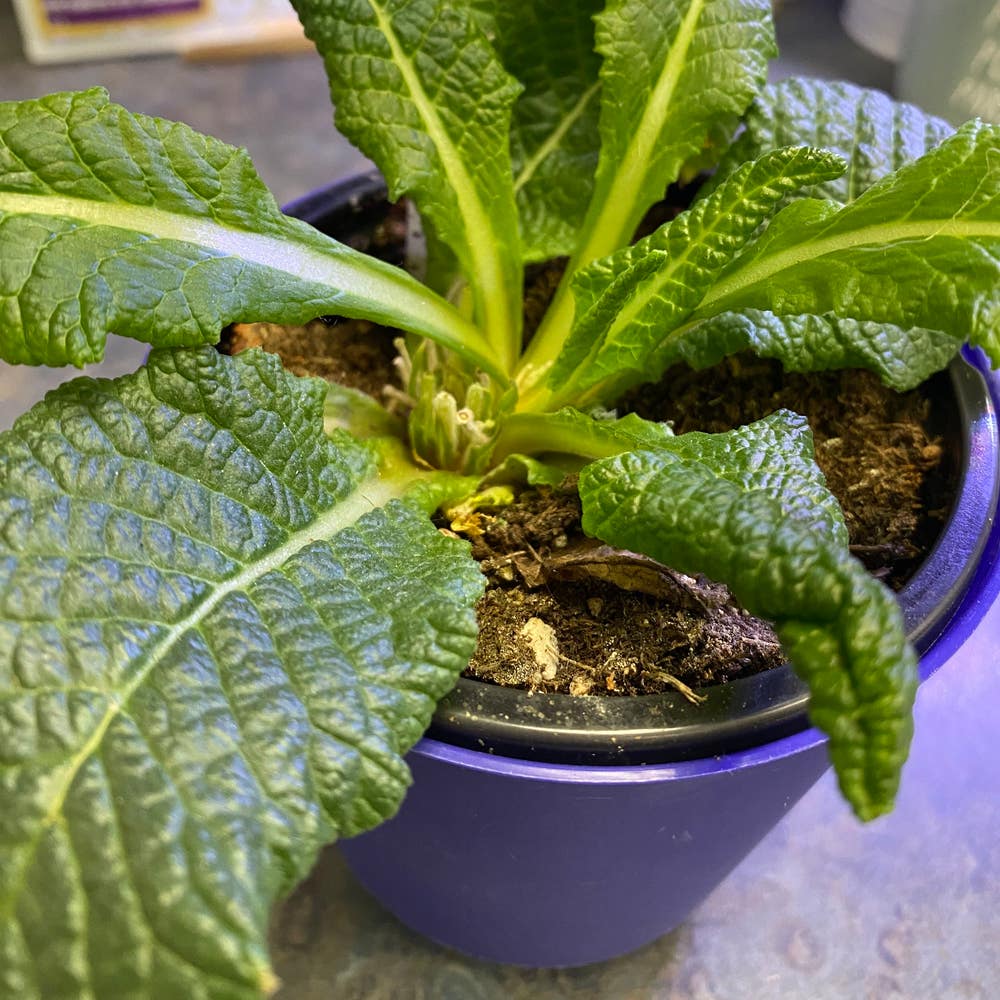
What You Should Know About Primula allionii
Primula allionii
By the Greg Editorial Team
Jan 26, 2025•11 min read
This article was created with the help of AI so we can cover more plants for you. May contain errors. See one? Report it here.
Elevate your garden with stunning Primula allionii blooms 🌸 and discover simple care tips for thriving plants!
- 🌱 Primula allionii thrives in partial shade and cooler temperatures for optimal growth.
- 💧 Avoid waterlogging; regular watering is essential for healthy Primula allionii.
- 🌼 Deadheading promotes blooming; trim damaged leaves for better growth.
How to Grow
Choosing a Location 🌳
Primula allionii thrives in partial shade, which helps prevent leaf scorching. Aim for cooler temperatures, ideally between 15°C to 20°C (59°F to 68°F), and maintain moderate humidity levels for optimal growth.
Soil Preparation 🏞️
For healthy growth, use well-draining, fertile soil. The ideal pH level is slightly acidic to neutral, ranging from 6.0 to 7.0, so consider incorporating sand or perlite to enhance drainage.
Planting Techniques 🌱
When planting, space your Primula allionii plants 12-18 inches apart to allow for their natural growth. Seeds or seedlings should be planted at a depth of about 1/4 inch for best results.
Watering Requirements 💧
Regular watering is crucial to keep the soil consistently moist, but avoid waterlogging. A watering can or drip irrigation works best to prevent wetting the foliage, which can lead to disease.
Fertilizing 🌼
Use a balanced, water-soluble fertilizer to nourish your plants. Fertilize every 4-6 weeks during the growing season to support robust growth and vibrant blooms.
Pruning and Ongoing Care ✂️
Deadheading spent flowers encourages further blooming, so don't forget to remove them regularly. Additionally, trim any dead or damaged leaves to promote healthy growth and maintain the plant's appearance.
Outdoor vs. Container Growing 🏡
If you're growing Primula allionii in containers, use a potting mix designed for alpine plants or a blend of potting soil and sand. Ensure your containers have adequate drainage holes and are at least 6-8 inches in diameter to support healthy root development.
With these guidelines, you're well on your way to cultivating beautiful Primula allionii in your garden or containers. Next, let’s explore how to propagate these lovely plants for even more vibrant blooms!
Propagation
🌱 Seed Propagation
To propagate Primula allionii from seeds, start by sowing them on the surface of moist soil. Lightly cover the seeds to ensure they have the right conditions for germination.
Timing is crucial; aim to sow seeds in late winter to early spring for the best results. This timing aligns with their natural growth cycle, enhancing your chances of success.
✂️ Division of Established Plants
Dividing established plants is another effective propagation method. Aim to divide your Primula allionii every 2-3 years, ideally in early spring or fall.
When dividing, carefully separate the root ball into sections, ensuring each piece has both roots and foliage. This technique not only helps propagate new plants but also promotes healthier growth for the original plant.
With these propagation methods, you can easily expand your Primula allionii collection or share them with fellow gardening enthusiasts. Now that you know how to propagate, let’s explore the lifecycle of this beautiful plant.
Lifecycle
Lifecycle Stages 🌱
Primula allionii starts its journey as a seed, needing the right conditions to germinate. Once germinated, it develops into a seedling, showcasing its first leaves.
As it matures, the plant enters the vegetative growth stage, where it establishes a robust root system and grows lush foliage. In spring, it bursts into bloom, displaying vibrant flowers that captivate any garden.
After flowering, the plant may produce seeds, ensuring the continuation of its lifecycle. This cycle not only showcases the beauty of Primula allionii but also its resilience in various environments.
Lifespan and Growth Rate ⏳
Typically, Primula allionii takes about 1-2 years to reach full maturity. Its moderate growth rate means you can expect flowering to occur in the second year, rewarding your patience with stunning blooms.
Understanding these stages helps you appreciate the plant's growth and plan for its care effectively. With the right attention, you can enjoy its beauty for many seasons to come.
As we delve deeper into the specifics of this plant, let's explore its size and growth characteristics next.
Size
Mature Height and Spread 🌱
Primula allionii typically reaches a height of 6-12 inches and spreads 12-18 inches wide. This compact size makes it an excellent choice for rock gardens or borders.
Growth Rate and Factors Affecting Size 📈
Adequate light is crucial for promoting healthy growth in Primula allionii. Additionally, nutrient-rich, well-draining soil supports optimal size and overall plant health.
Size Variability 🌍
The size of Primula allionii can vary based on environmental factors. Light availability, water levels, and soil quality all play significant roles in determining how large these plants will grow.
This variability means that with the right conditions, you can encourage your Primula allionii to thrive and reach its full potential. As we move forward, let’s explore the fascinating root system of this resilient plant.
Roots
Root System Characteristics 🌱
Primula allionii features a fibrous root system that is essential for its growth. These roots typically extend 6-12 inches deep and spread horizontally, allowing the plant to absorb nutrients efficiently.
Common Root-Related Issues ⚠️
Root rot is a common problem caused by overwatering, leading to mushy and discolored roots. Additionally, plants can become rootbound when their roots fill the container, which stunts their growth.
Visual Cues for Healthy vs. Unhealthy Roots 👀
Healthy roots are firm and exhibit a white or light tan color. In contrast, unhealthy roots appear dark, mushy, or may even emit a foul smell.
Solutions for Root Problems 🛠️
If your Primula allionii becomes rootbound, consider repotting it into a larger container. To prevent root rot, use fresh, well-draining soil that promotes healthy root development.
Understanding the root system and its care is crucial for the overall health of your Primula allionii. With proper attention, you can ensure your plant thrives and flourishes in your garden.
Benefits
🌸 Aesthetic Appeal
Primula allionii is a showstopper in any garden, boasting vibrant colors and early spring blooms. Its striking flowers can transform a dull landscape into a lively display, making it a favorite among gardeners.
🐝 Attracts Pollinators
These flowers are not just pretty; they play a vital role in the ecosystem. By attracting bees and butterflies, Primula allionii promotes biodiversity, supporting the health of your garden and the environment.
🧑🌾 Low Maintenance
One of the best features of Primula allionii is its low maintenance nature. Hardy and drought-tolerant, it thrives with minimal care, making it perfect for busy gardeners or those new to plant care.
🌱 Symbolism
This plant symbolizes resilience and beauty, often gracing traditional gardens. Its ability to flourish in challenging conditions makes it a powerful reminder of nature's strength.
📜 Cultural Significance
Historically, Primula allionii has been cherished for its early blooms and adaptability to cooler climates. This cultural appreciation adds depth to its presence in gardens, connecting us to the past while enhancing our outdoor spaces.
With its myriad benefits, Primula allionii is a fantastic addition to any garden. Next, let’s explore the best companion plants to pair with this stunning flower for an even more vibrant garden.
Companion Plants
🌱 Companion Planting Benefits
Companion planting is a fantastic way to enhance garden diversity. It promotes beneficial relationships among plants, leading to healthier growth and improved yields.
🌼 Recommended Companions
For Primula allionii, consider pairing it with other alpine plants like Saxifraga and Campanula. These companions share similar care needs, making them ideal for creating a harmonious garden environment.
🚫 Plants to Avoid
Be cautious with heavy feeders such as tomatoes or corn. These plants compete for nutrients, which can hinder the growth of your Primula allionii.
Companion planting not only boosts the health of your garden but also adds visual interest. By choosing the right partners, you can create a thriving ecosystem that benefits all your plants.
Toxicity to Humans
Safety Profile 🌱
Primula allionii is generally regarded as non-toxic and safe for humans. Major poison control centers and health organizations do not list it as toxic.
Potential Minor Issues ⚠️
While it's safe, there can be minor issues if ingested in large quantities. This may lead to mild skin irritation or digestive discomfort.
Caution 🚨
Always exercise caution with any plant. If you experience unusual symptoms after contact or ingestion, seek medical advice promptly.
This plant can be a delightful addition to your garden without the worry of toxicity. Now, let’s explore how Primula allionii interacts with our furry friends!
Toxicity to Dogs
Non-Toxic Status 🐶
Primula allionii is generally safe for dogs, as it is not listed as toxic by major pet poison control centers.
While your furry friend can enjoy the garden without worry, excessive consumption of the plant may lead to mild gastrointestinal upset.
Tips for Safety 🛡️
To ensure a harmonious relationship between your dog and your Primula allionii, keep the plants out of reach.
It's also wise to monitor your dog's behavior around new plants, just to be on the safe side.
With these simple precautions, you can enjoy the beauty of your garden while keeping your canine companion safe and sound.
Next, let’s explore how Primula allionii interacts with our feline friends.
Toxicity to Cats
Non-Toxic Status 🐱
Primula allionii is generally safe for cats, as it is not listed as toxic by major pet poison control centers. This means you can enjoy these beautiful plants without worrying about your feline friends.
Potential Minor Issues 🤢
While Primula allionii poses no significant threat, excessive consumption may lead to mild gastrointestinal upset in cats. It's always a good idea to monitor your cat's behavior around new plants to ensure they don't nibble too much.
Tips for Safety 🛡️
To keep your plants and pets safe, consider placing your Primula allionii in areas that are less accessible to your curious cats. This way, you can enjoy the vibrant blooms without the risk of any unwanted snacking.
As you explore the joys of gardening with Primula allionii, remember that creating a safe environment for your pets is just as important as nurturing your plants. Now, let’s dive into some common problems you might encounter while growing these lovely flowers.
Problems
Common Issues 🌱
Growing Primula allionii can be rewarding, but it comes with its share of challenges.
- Overwatering is a common mistake, leading to yellowing leaves and root rot.
- Underwatering can also be detrimental, causing wilting and dry foliage.
- Incorrect light conditions may scorch the leaves, particularly if exposed to direct sunlight for too long.
- Diseases like powdery mildew and root rot can plague your plants if not monitored.
- Leaf and growth problems often manifest as yellowing leaves and leggy growth, indicating that something is off.
Solutions 💡
To keep your Primula allionii thriving, adjust your watering practices based on soil moisture.
Make sure to check the soil regularly; it should be moist but not soggy.
Additionally, ensure your plants receive the right amount of light and nutrients.
Consider relocating them if they’re not getting enough shade or if the soil lacks essential nutrients.
With these adjustments, you can tackle common issues and enjoy a flourishing garden.
Bugs
Common Pests 🐜
Primula allionii can attract a few pesky bugs that may disrupt its growth.
- Spider mites: Look for tiny webs and stippled leaves, which indicate their presence.
- Aphids: These small, green insects often cluster on new growth, sucking the sap and weakening the plant.
Identification and Damage 🔍
Identifying pests early can save your plants from significant damage.
- Mealybugs: These appear as white, cotton-like masses on stems and leaves, often hiding in crevices.
- Damage: Infestations can lead to stunted growth and leaf drop, making your beautiful Primula look less than its best.
Treatment Options 💊
Dealing with pests doesn't have to be a chore.
- Organic methods: Try using neem oil or insecticidal soap to manage pest populations naturally.
- Chemical methods: If the infestation is severe, targeted pesticides can be effective, but use them as a last resort to protect beneficial insects.
By keeping an eye on your Primula allionii and acting quickly against pests, you can ensure a thriving, vibrant plant. Next, let’s explore what animals might be interested in munching on your garden treasures.
What Eats
Common Garden Animals 🦌
Primula allionii can attract a variety of garden animals. Deer are often a problem, leaving behind signs like chewed leaves and broken stems.
Rabbits also enjoy nibbling on the foliage, which can lead to noticeable damage in your garden.
Signs of Animal Presence 🐾
Identifying animal activity is crucial for protecting your plants. Squirrel damage often manifests as missing flowers or chewed leaves, indicating their presence.
Additionally, look out for signs of rodent activity, such as burrows or droppings near your Primula plants.
Deterrent Methods 🚫
To keep these garden invaders at bay, consider using chemical repellents designed for larger animals. These can be effective in deterring deer and rabbits from munching on your plants.
For a more organic approach, physical barriers like fencing or netting can provide a protective shield around your Primula allionii, ensuring they thrive without unwanted visitors.
With these strategies, you can maintain a vibrant garden while minimizing the impact of hungry critters.
⚠️ Safety First
This content is for general information and may contain errors, omissions, or outdated details. It is not medical, veterinary advice, or an endorsement of therapeutic claims.
Always consult a qualified healthcare professional before using any plant as food, medicine, or supplement.
Never eat any plant (or feed one to pets) without confirming its identity with at least two trusted sources.
If you suspect poisoning, call Poison Control (800) 222-1222, the Pet Poison Helpline (800) 213-6680, or your local emergency service immediately.
Spotted an error? Please report it here.
Cultivating thriving Primula allionii 🌼 is easy when you leverage Greg's tailored care reminders and expert tips to meet their unique needs for optimal growth!