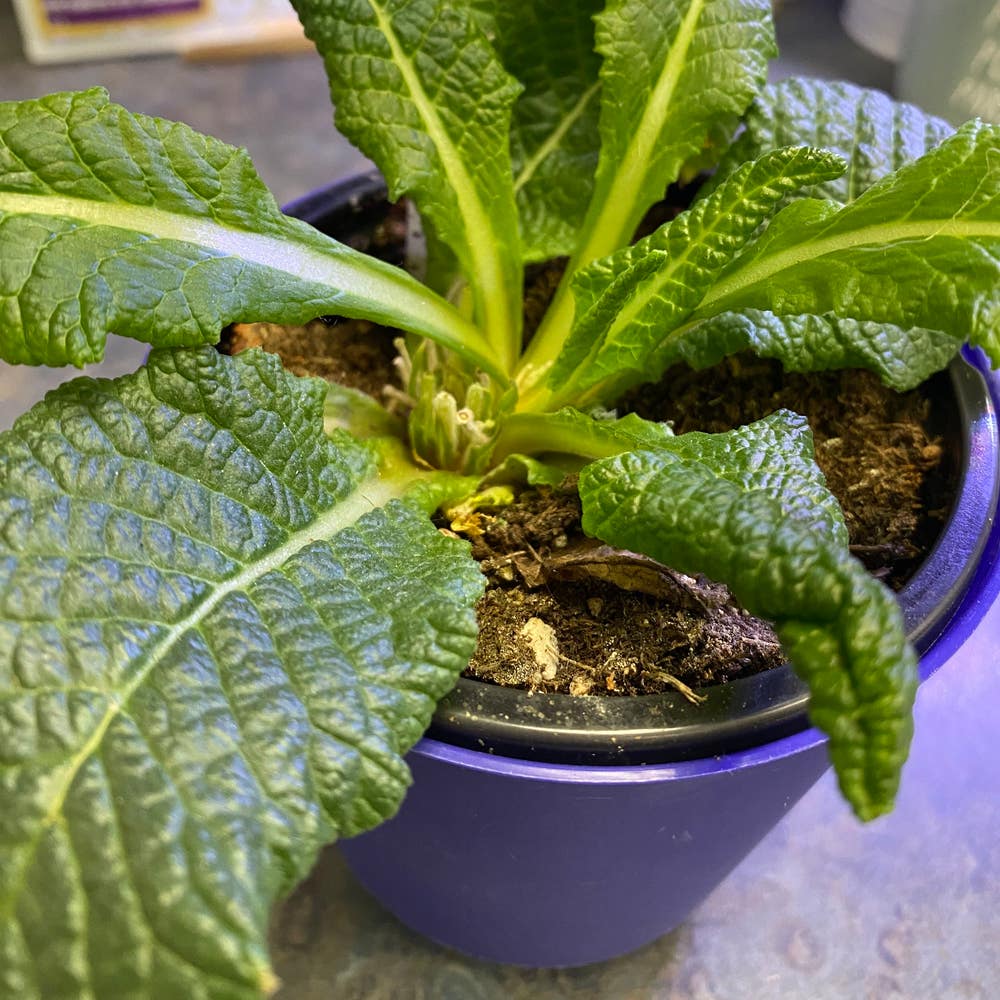
🌼 Understanding Allioni's Primrose: The Basics
Primula allionii
By the Greg Editorial Team
Feb 14, 2025•11 min read
This article was created with the help of AI so we can cover more plants for you. May contain errors. See one? Report it here.
Elevate your garden's beauty effortlessly with Allioni's Primrose, a vibrant perennial that thrives with care! 🌸
- 🌞 Allioni's Primrose thrives in partial shade, avoiding harsh afternoon sunlight to prevent scorch.
- 🌱 Ideal growth temperature is 15°C to 20°C (59°F to 68°F) with moderate humidity.
- 💧 Regular watering is key, but avoid overwatering to prevent root rot and fungal issues.
How to Grow
🌍 Choosing a Location
Allioni's Primrose thrives in a variety of light conditions, preferring partial shade to full sun. However, it's crucial to protect it from harsh afternoon sun to prevent leaf scorch.
The plant flourishes in cooler climates, with an ideal temperature range of 15°C to 20°C (59°F to 68°F). Moderate humidity levels also play a vital role in promoting optimal growth.
🌱 Soil Preparation
For successful growth, Allioni's Primrose requires well-draining soil that is slightly acidic to neutral, ideally with a pH between 6.0 and 7.0.
To enhance drainage, consider incorporating organic matter or perlite into the soil mix, ensuring that excess water can escape easily.
🌼 Planting Techniques
When planting, space your Allioni's Primrose plants 12-18 inches apart to allow for adequate growth.
Seeds or seedlings should be planted at a depth of 1/4 inch to encourage healthy root development.
💧 Watering Requirements
Regular watering is essential to keep the soil consistently moist, but be careful not to waterlog the plant.
Using a watering can or drip irrigation is recommended to avoid wetting the foliage, which can lead to fungal issues.
🌿 Fertilizing
A balanced, slow-release fertilizer is ideal for Allioni's Primrose.
Fertilize every 4-6 weeks during the growing season to provide the nutrients necessary for vibrant blooms.
✂️ Pruning and Ongoing Care
To encourage continuous blooming, practice deadheading by removing spent flowers regularly.
Additionally, trim any dead or damaged leaves to promote healthy growth and maintain the plant's appearance.
With these care tips, you can cultivate a thriving Allioni's Primrose that adds beauty to your garden. Next, let’s explore how to propagate this lovely plant for even more blooms!
Propagation
🌱 Seed Propagation
To propagate Allioni's Primrose from seeds, start by sowing them indoors 8-10 weeks before the last frost. Keep the soil moist and warm, ideally around 20°C (68°F), to encourage germination.
Seeds usually germinate within 2-3 weeks, making this an exciting and relatively quick process. Watching those tiny sprouts emerge can be incredibly rewarding!
✂️ Division of Established Plants
Dividing established plants is another effective propagation method. The best time to do this is in early spring or fall when the plants are not actively blooming.
To divide, carefully separate the root ball into sections, ensuring that each section has both roots and leaves. This technique not only helps in propagation but also promotes healthier growth for the parent plant.
With these methods, you can easily expand your collection of Allioni's Primrose, enhancing your garden's beauty and biodiversity. Now, let’s explore the lifecycle of this fascinating plant!
Lifecycle
Lifecycle Stages 🌱
Allioni's Primrose is a perennial plant, meaning it lives for multiple years. Its lifecycle includes several distinct stages: seed or cutting, germination, seedling stage, vegetative growth, flowering, and seed production.
Growth Timeline ⏳
Typically, it takes about 1-2 years for Allioni's Primrose to reach maturity and start producing flowers. With proper care, these plants can thrive for several years, providing beauty and interest in your garden.
Lifespan 🌼
The longevity of Allioni's Primrose is one of its appealing traits. When nurtured correctly, it can live for many years, rewarding gardeners with vibrant blooms season after season.
This understanding of the lifecycle sets the foundation for effective care and maintenance, ensuring your Allioni's Primrose flourishes beautifully. Next, we will explore how to size and space your plants for optimal growth.
Size
Mature Height and Spread 🌱
Allioni's Primrose typically reaches a mature height of 6 to 12 inches. It can spread up to 12 to 18 inches wide, making it a lovely addition to any garden bed.
Growth Rate and Size Variability 📈
This perennial plant has a moderate growth rate, often taking 1 to 2 years to reach its full size. Keep in mind that growth can vary based on factors like soil quality, light exposure, and watering practices, so adjust your care accordingly for the best results.
With the right conditions, Allioni's Primrose can flourish beautifully, enhancing your garden's aesthetic appeal. As you nurture these plants, you'll appreciate their gradual transformation and the vibrant blooms they bring to your outdoor space.
Next, let's explore the fascinating lifecycle of Allioni's Primrose and how it develops over time.
Roots
Root System Characteristics 🌱
Allioni's Primrose features a primarily fibrous root system. These roots typically extend 6-12 inches deep and spread laterally, allowing the plant to absorb nutrients effectively.
Common Root-Related Issues ⚠️
One of the most common problems is root rot, which occurs due to overwatering. Symptoms include wilting and yellowing leaves, signaling that the roots are struggling to breathe.
Another issue is being rootbound, which happens when the roots fill the pot. Signs of this condition include stunted growth and circling roots, indicating the plant needs more space.
Visual Cues for Healthy vs. Unhealthy Roots 👀
Healthy roots are firm, white, and spread out, indicating a thriving plant. In contrast, unhealthy roots appear dark, mushy, or foul-smelling, suggesting serious problems that need addressing.
Solutions for Root Problems 🛠️
To prevent root rot, ensure proper drainage and avoid overwatering your plants. If you notice your Primrose becoming rootbound, it's time to repot it into a larger container to give those roots room to grow.
Understanding these root characteristics and issues will help you maintain a healthy Allioni's Primrose. Next, let's explore the benefits this beautiful plant brings to your garden.
Benefits
Aesthetic Appeal 🌸
Allioni's Primrose boasts vibrant flowers that can transform any garden into a visual delight. Their colorful blooms create a stunning focal point, enhancing the overall beauty of your outdoor space.
Attracts Pollinators 🐝
These flowers are not just pretty; they play a crucial role in promoting biodiversity. By attracting bees and butterflies, Allioni's Primrose supports local ecosystems and encourages pollination.
Erosion Control 🌍
Beyond their beauty, these plants help stabilize soil in garden beds. Their root systems can prevent erosion, making them a practical choice for gardeners looking to maintain soil integrity.
Cultural Significance 📜
Allioni's Primrose has a rich history, often associated with alpine gardens and traditional herbal uses. This cultural backdrop adds depth to their presence in your garden, connecting you to gardening traditions.
Medicinal Properties 🌿
Historically, Allioni's Primrose has been used in herbal remedies for various ailments. While it's essential to consult with a professional before using any plant medicinally, this aspect highlights the plant's versatility and value.
Incorporating Allioni's Primrose into your garden not only beautifies your space but also contributes positively to the environment and cultural heritage. Next, let's explore the best companion plants that can thrive alongside this lovely perennial.
Companion Plants
🌱 Concept of Companion Planting
Companion planting is a gardening technique that enhances biodiversity in your garden. It improves pest management and promotes healthy growth by pairing plants that benefit each other.
🌼 Best Companion Plants
When growing Allioni's Primrose, consider planting it alongside hostas, ferns, and other shade-loving plants. These companions share similar care needs, creating a harmonious garden environment.
Certain herbs can also be beneficial, as they possess pest-repellent properties. This natural defense can help keep harmful insects at bay, allowing your primrose to thrive.
🚫 Plants to Avoid
It's wise to avoid planting Allioni's Primrose near heavy feeders like tomatoes. These plants compete for nutrients, which can hinder the growth and health of your primrose.
By carefully selecting companion plants, you can create a thriving garden that supports Allioni's Primrose and enhances its beauty. Next, let’s explore the potential toxicity of this lovely plant to humans, dogs, and cats.
Toxicity to Humans
Allioni's Primrose is generally considered safe for humans and is not listed as toxic by major poison control centers. This makes it a great choice for gardens where children or pets may roam.
However, it's important to note that excessive contact with the plant may cause mild skin irritation. Ingesting large quantities could lead to minor digestive discomfort, so it's wise to enjoy the plant without overindulging.
Always exercise caution with any plant. If you experience unusual symptoms after contact or ingestion, seek medical advice promptly. This proactive approach ensures a safe and enjoyable gardening experience.
Toxicity to Dogs
Allioni's Primrose is generally considered safe for dogs, as it is not listed as toxic by major pet poison control centers. This means you can enjoy these beautiful plants without worrying too much about your furry friends.
However, it's important to note that excessive consumption of the plant may lead to mild gastrointestinal upset. If your dog decides to munch on a few leaves, keep an eye out for any signs of discomfort.
🌱 Tips for Introduction
When introducing Allioni's Primrose into your garden, consider placing the plants out of reach of your dog. This simple precaution can help prevent any unwanted snacking.
Additionally, monitor your dog's behavior around the new plants. Observing how they interact with the garden can help you ensure a safe and enjoyable environment for both your pets and your plants.
With these tips in mind, you can cultivate a vibrant garden while keeping your canine companions safe and sound.
Toxicity to Cats
Allioni's Primrose is generally safe for cats, as it is not listed as toxic by major pet poison control centers. This means you can enjoy its beauty without worrying about your feline friends getting sick.
However, if your cat consumes excessive amounts, it may experience mild gastrointestinal upset. To keep your cat safe, ensure the plant is placed out of reach and monitor their behavior around it.
By taking these simple precautions, you can create a harmonious environment where both your plants and pets thrive. With a little care, you can enjoy the vibrant blooms of Allioni's Primrose without any worries!
Next, let's explore the potential problems you might encounter while growing this lovely plant.
Problems
Common Problems Faced 🌱
Growing Allioni's Primrose can be rewarding, but it's not without its challenges. Understanding these common issues will help you maintain a healthy plant.
Incorrect Watering 🚰
Watering is crucial for your Primrose's health. Overwatering can lead to yellowing leaves, while underwatering results in wilting.
Incorrect Light Conditions ☀️
Light conditions play a significant role in growth. Insufficient light can cause leggy growth, whereas too much sun can scorch the leaves.
Diseases 🦠
Be on the lookout for diseases that can affect your Primrose. Common issues include powdery mildew and root rot, both of which can hinder growth.
Leaf Issues 🍃
Leaf problems often signal environmental stress. Scorching or yellowing leaves may indicate that your plant is struggling to adapt.
Growth Problems 📉
Growth issues can manifest in various ways. Stunted growth or leaning may suggest nutrient deficiencies or inadequate light exposure.
By keeping an eye on these potential problems, you can ensure your Allioni's Primrose thrives. Next, let's explore the pests that might disrupt your plant's growth.
Bugs
🐞 Potential Pest Issues
Allioni's Primrose boasts moderate resistance to pests, making it a resilient choice for your garden. However, it can still fall prey to a few common nuisances that you should keep an eye on.
🐜 Common Pests
Spider Mites
These tiny pests can wreak havoc on your primrose, leaving behind webbing and stippled leaves. To combat spider mites, treat your plants with insecticidal soap for effective control.
Mealybugs
Identifiable by their cotton-like masses, mealybugs can be a real headache. Remove them by dabbing affected areas with alcohol-soaked cotton swabs to eliminate these unwelcome guests.
Aphids
Look for clusters of these small insects on new growth; they can sap the vitality from your plants. Control aphid populations using neem oil or insecticidal soap, ensuring your Allioni's Primrose stays healthy and vibrant.
By staying vigilant and addressing these pest issues promptly, you can enjoy a flourishing garden filled with beautiful Allioni's Primrose. Next, let’s explore what garden animals might be munching on your plants!
What Eats
Common Garden Animals 🐾
When it comes to Allioni's Primrose, several garden animals may take a liking to its vibrant foliage and flowers. Understanding these potential threats can help you protect your plants effectively.
Deer 🦌
Deer are notorious for munching on garden plants. Look for signs like chewed leaves and broken stems; if you spot these, consider using fencing or repellents to keep them at bay.
Rabbits 🐇
Rabbits can be quite the nuisance, often leaving clean cuts on stems as they snack. To deter them, implement barriers or use repellents that can help keep these furry friends away.
Squirrels 🐿️
Squirrels might dig up roots in their quest for food. To prevent damage, consider using netting or traps to deter these agile critters from your garden.
Birds 🐦
Birds can also pose a threat, as they may peck at the flowers. A simple solution is to hang reflective objects or use bird netting to protect your blooms.
Rodents 🐭
Rodents can be sneaky, leaving behind gnaw marks as evidence of their presence. Keeping the area clean and using traps can help manage these small pests effectively.
By being aware of these common garden animals and their behaviors, you can take proactive steps to safeguard your Allioni's Primrose. Next, let’s explore the potential pest issues that may arise in your garden.
⚠️ Safety First
This content is for general information and may contain errors, omissions, or outdated details. It is not medical, veterinary advice, or an endorsement of therapeutic claims.
Always consult a qualified healthcare professional before using any plant as food, medicine, or supplement.
Never eat any plant (or feed one to pets) without confirming its identity with at least two trusted sources.
If you suspect poisoning, call Poison Control (800) 222-1222, the Pet Poison Helpline (800) 213-6680, or your local emergency service immediately.
Spotted an error? Please report it here.
Unlock the beauty of Allioni's Primrose with Greg's personalized care reminders 🌱, ensuring your plants thrive and bloom vibrantly all season long!