
Stenocactus
Taxonomy

Stenocactus densispinus 'Album'
Stenocactus
Cactaceae
Caryophyllales

How to care for Stenocactus
How often to water your Stenocactus

every 12
Stenocactus needs 0.5 cups of water every 12 when it doesn’t get direct sunlight and is potted in a 5" pot.
Use our water calculator to personalize watering recommendations to your environment or download Greg for more advanced recommendations for all of your plants.
Water 0.5 cups every
12
Finding light for Stenocactus in your home

a window
Stenocactus love being close to bright, sunny windows 😎.
Place it less than 1ft from a south-facing window to maximize the potential for growth.
Stenocactus does not tolerate low-light 🚫.
Select your region to see how the current weather in your area affects the placement of Stenocactus in your home 🏡.
How to fertilize Stenocactus

Most potting soils come with ample nutrients which plants use to produce new growth.
By the time your plant has depleted the nutrients in its soil it’s likely grown enough to need a larger pot anyway.
To replenish this plant's nutrients, repot your Stenocactus after it doubles in size or once a year—whichever comes first.
-
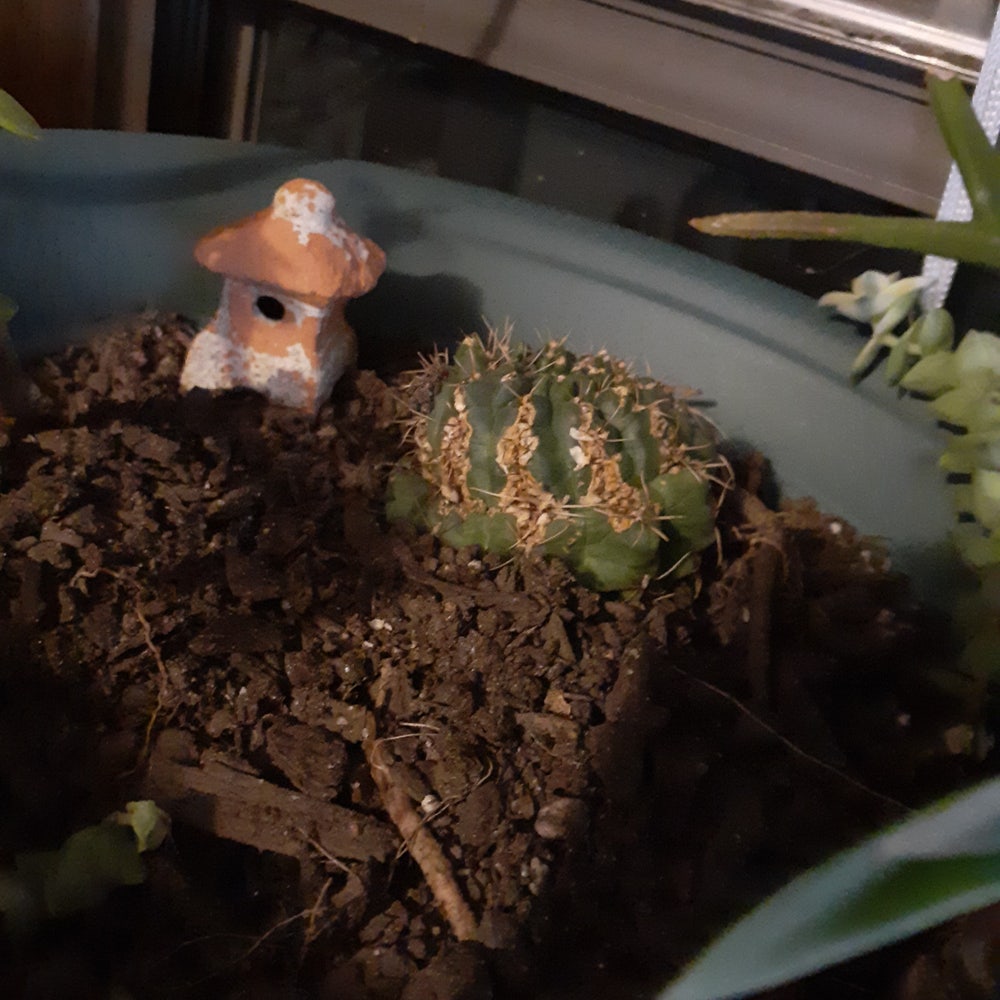
I had told myself no more bonsai or trees for a while … so cacti are ok, right? 🤭 Stopped in at the local cooperative on a walk this morning. This tray of cacti caught my eye, so I ended up buying JUST ONE … ¥500 each, I could have easily bought the entire tray if I didn’t leave ASAP. This shop is soooo dangerous, everything is reasonably priced and grown locally - I have to actively avoid it or take everything home.
-
New pot!! #BrainCactus I am so happy with the new pot and soil for this cactus. It was another of inherited and it was so dusty and drowning in a pot that was far too big with non draining soil. Hopefully it will thrive!! #HappyPlants #SucculentLove #CactusClique
-
Helppppp! What are these on my cactus? Looks like a bug of some kind but it’s all dried up and nothing is moving so I’m confused? If anyone knows what it is any tips on getting rid of it ? #BrainCactus
-
My cactus isnt growing@ Hello! So I have had a cactus for about 3 years now. This cactus has been through alot as I had birds and they pecked at it constantly. I tried to prevent this as much as possible but my family members did not. Ever since then it has pretty much stayed the exact same. Please let me know if there is anything I can do as I am very sentimental to this plant. Thank you #cactus


Care Summary for Stenocactus
Stenocactus
 Greg recommends:
 Water
Water
0.5 cups every 12 days
 Placement
< 1ft from a window
 Nutrients
Repot after 2x growth
Based on the 4” pot your plant is in, and that it doesn’t get direct sunlight.
 Trending in your area
















 Similar to Stenocactus

✨ Discover rare plants

Echeveria Arrow

Phalaenopsis schiller…

Graptopetalum 'Marqui…

Ruby Ball

Dinteranthus microspe…

Anthurium Fingers

Ace of Spades
Hoya 'Memoria'

Maroon Pitcher Plant
White Apple Moth Orch…

Philodendron eximium

Parrot Pitcher Plant

Christmas Candle
Stanhopea tigrina

Miss All-American Bea…

Milky Widow's Thrill

Thelocactus macdowell…
