Schismatoglottis wallichii
Taxonomy

Schismatoglottis wallichii
Schismatoglottis
Araceae
Alismatales

How to care for Schismatoglottis wallichii
How often to water your Schismatoglottis wallichii

every 7
Schismatoglottis wallichii needs 0.5 cups of water every 7 when it doesn’t get direct sunlight and is potted in a 5" pot.
Use our water calculator to personalize watering recommendations to your environment or download Greg for more advanced recommendations for all of your plants.

Water 0.5 cups every
7
Finding light for Schismatoglottis wallichii in your home

a window
Schismatoglottis wallichii can tolerate being far from a window and light source.
Place it less than 6 feet from a south-facing window to ensure it receives enough light to survive 💪.
Select your region to see how the current weather in your area affects the placement of Schismatoglottis wallichii in your home 🏡.
How to fertilize Schismatoglottis wallichii

Most potting soils come with ample nutrients which plants use to produce new growth.
By the time your plant has depleted the nutrients in its soil it’s likely grown enough to need a larger pot anyway.
To replenish this plant's nutrients, repot your Schismatoglottis wallichii after it doubles in size or once a year—whichever comes first.
-
After surviving thrips this summer, my #SchismatoglottisWallichii is actually about to flower indoors! I’m so excited because that means he is feeling happy and healthy, despite still showing battle scars and damage that is slowly going away. I got this plant on a whim from Gabriella’s (IYKYK) for $9.99 and it’s been one of my favorites ever since! He lost a lot of leaves from the thrips, so part of me wishes he’d concentrate on regrowing those instead of flowers, but I have to remember that he is the one in charge; I just facilitate his ability to grow. Anyway hope everyone has a great weekend. 🌿🪴💚 #HappyPlants #PlantsMakePeopleHappy #PlantAddict #NewGrowth #PlantTherapy #FloweringPlants #PlantLove #Indoorplants #babevila #Aroids #AroidArmy
-
Wants to bloom but this keeps happening It keeps trying to bloom- but this keeps happening.. Does anyone have any advice? This is the second time it's done this. (I cut the first one off- I'm not sure if I should have or not..) This is one of my favorite plants I have- and It has two more blooms coming and I would like them to be successful. #SchismatoglottisWallichii #Blooming #help
-
Yellowing leaves #SchismatoglottisWallichii My wallichii plant has lost a lot of leaves due to yellowing and sogginess of leaves , any ideas please
-
#plantmememonday for November 18, 2024 #plantmememonday 🌟Over 200 members🌟⭐️ PLANT MEME MONDAY for November 18 2024 #plantmememonday ENTREE Hope you have your best plant memes ready (or stolen somebody else's LOL). Here's a little entree...as always click on the photo to see the full joke! 😀 🤣😅😂 More at https:// Viewers discretion is ALWAYS advised, particularly if they are funny memes or even not so funny and a little “inappropriate”. And sometimes the link to plants is at best “tenuous” LOL 😂 So we are STILL growing with over 205 Members and aiming STILL adding more members ! So let’s celebrate with some memes and fun and laughs 😂 😂 😂 If you click on the hash tag #plantmememonday it takes you to the group page and then there is a “join” button on the top right hand side, click it until it says “joined” and you will get notified of future posts that used that hashtag. Why not add some memes or funnies below 👇 #plantmememonday #seymour #plantsmakepeoplehappy #plantaddict #plantmafia #greggang #happyplants #plantjokes #theamigos #HappyPlants #NewGrowth #Seymour #theamigos #PlantTherapy
-
What is wrong with my poor Stella? I am feeding and watering on schedule. App says I have in perfect place but my beautiful girl is not happy!
-
I repotted my plant and it lost several leaves. iit's down to two leaves. Anything else I could be doing for my plant? #SchismatoglottisWallichii
-
my favorite part about grocery shopping is plant shopping… & especially when the plant is only 9$ 😂 She needs a little TLC but I think I can manage.. can’t wait for her to get more full & bushy 🤩 #HappyPlants #PlantsMakePeopleHappy #PlantAddict #PlantTherapy #GregGang #Greggers #PLANTMAFIA
-
WELCOME TO PLANT MEME MONDAY JULY 22 2024 MAIN COURSE #plantmememonday #seymour Hope you have your best plant memes ready (or stolen somebody else's LOL). Here's the main course …as always click on the photo to see the full joke! 😀 🤣😅😂 As always viewer discretion is advised, particularly if they are funny memes or even not so funny and even glitchy so you may need to scroll down to find all the new memes on the Group site. 😉😱😂🤣😅 So we are STILL growing and just reached over 125 Members and aiming STILL adding more members ! So let’s celebrate with some lovely stain glass lights to brighten our days and make us smile more 😂 😂 😂 Thanks to those who contributed to the naming of Gene Simmons at #HelpMeNameMyPlant , a worthy name considering this plant is called a “dropped tongue” see https:// If you click on the hash tag #plantmememonday it takes you to the group page and then there is a “join” button on the top right hand side, click it until it says “joined” and you will get notified of future posts that used that hashtag #plantmememonday #seymour #plantsmakepeoplehappy #plantaddict #plantmafia #greggang #happyplants #plantjokes #theamigos #HappyPlants #NewGrowth #Seymour #theamigos #PlantTherapy #HelpMeNameMyPlant
-
WHAT’S MY NAME #whatsmyname Another #plantnamesunday for me as I demand #HelpMeNameMyPlant (over 50 members!) as created by @Corinne. So here’s an interesting one as it is know as a “Drop Tongue” 👅 😛 I have to say it has become a firm favorite since I got it and no, I don’t have my tongue in my cheek when I say that. So any good names come to mind? I’m thinking a tongue theme but open to ideas. I don’t know it manages to have such big leaves for such a small plant but it seems to manage ok as this one has 3 leaves and looks pretty happy in my jungle. Welcome to the Jungle 🐅 #HappyPlants #PlantsMakePeopleHappy #PlantAddict #PLANTMAFIA #PlantTherapy #GrowLights #theamigos #Seymour #HelpMeNameMyPlant #GregGang #Greggers #SchismatoglottisWallichii #Schismatoglottis
-
How easy is this root from a leaf? #SchismatoglottisWallichii


Care Summary for Schismatoglottis wallichii

Schismatoglottis wallichii
 Greg recommends:
 Water
Water
0.5 cups every 7 days
 Placement
< 6ft from a window
 Nutrients
Repot after 2x growth
Based on the 4” pot your plant is in, and that it doesn’t get direct sunlight.
 Trending in your area










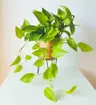


 Similar to Schismatoglottis wallichii





✨ Discover rare plants

Electric Blue Gecko
Skeleton Key Pothos

Sedeveria 'Blue Elf'

Picasso's Paintbrush

Begonia lubbersii

Chandelier Plant

Dinteranthus microspe…

Radiator Plant

Echeveria 'Joan Danie…

Red Mistletoe Cactus

Bonsai Crassula

Euphorbia baioensis

Scindapsus pictus 'Si…

Large Leaf Elephant B…

Pine Cone Plant

Hoya pottsii 'Khao Ya…
Phalaenopsis schiller…