
Hellebore 'Pale Picotee'
Taxonomy

Helleborus x hybridus 'Pale Picotee'
Helleborus
Ranunculaceae
Ranunculales

How to care for Hellebore 'Pale Picotee'
How often to water your Hellebore 'Pale Picotee'

every 9
Hellebore 'Pale Picotee' needs 0.5 cups of water every 9 when it doesn’t get direct sunlight and is potted in a 5" pot.
Use our water calculator to personalize watering recommendations to your environment or download Greg for more advanced recommendations for all of your plants.
Water 0.5 cups every
9
Finding light for Hellebore 'Pale Picotee' in your home

a window
Hellebore 'Pale Picotee' may have difficulty thriving, and will drop leaves 🍃, without ample sunlight.
Place it less than 3 feet from a south-facing window to maximize the potential for growth.
Select your region to see how the current weather in your area affects the placement of Hellebore 'Pale Picotee' in your home 🏡.
How to fertilize Hellebore 'Pale Picotee'

Most potting soils come with ample nutrients which plants use to produce new growth.
By the time your plant has depleted the nutrients in its soil it’s likely grown enough to need a larger pot anyway.
To replenish this plant's nutrients, repot your Hellebore 'Pale Picotee' after it doubles in size or once a year—whichever comes first.
-
Just wondering why it’s not growing much and when it will give flowers #LentenRose
-
Christmas Rose - I’m in the northeast, this should be planted outside when it’s warm enough, yes? #ChristmasRose #PlantsMakePeopleHappy
-
The leaves seem to be losing the dark green colour and going yellow. What do I do please? #LentenRose
-
My Lenten roses are growing and spreading like crazy! A friend of mine asked if she can have some of mine to add to her garden. How do I do this? #LentenRose
-
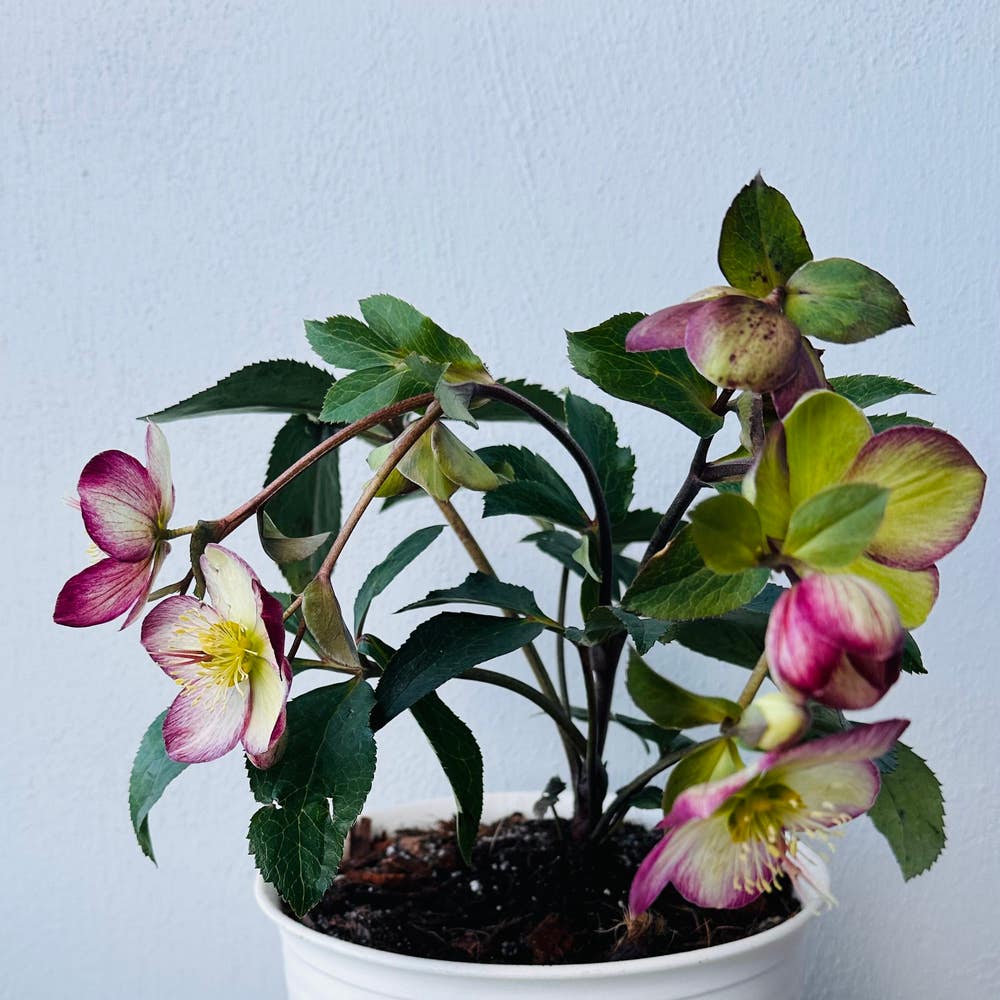
Blooms turning green? #LentenRose
-
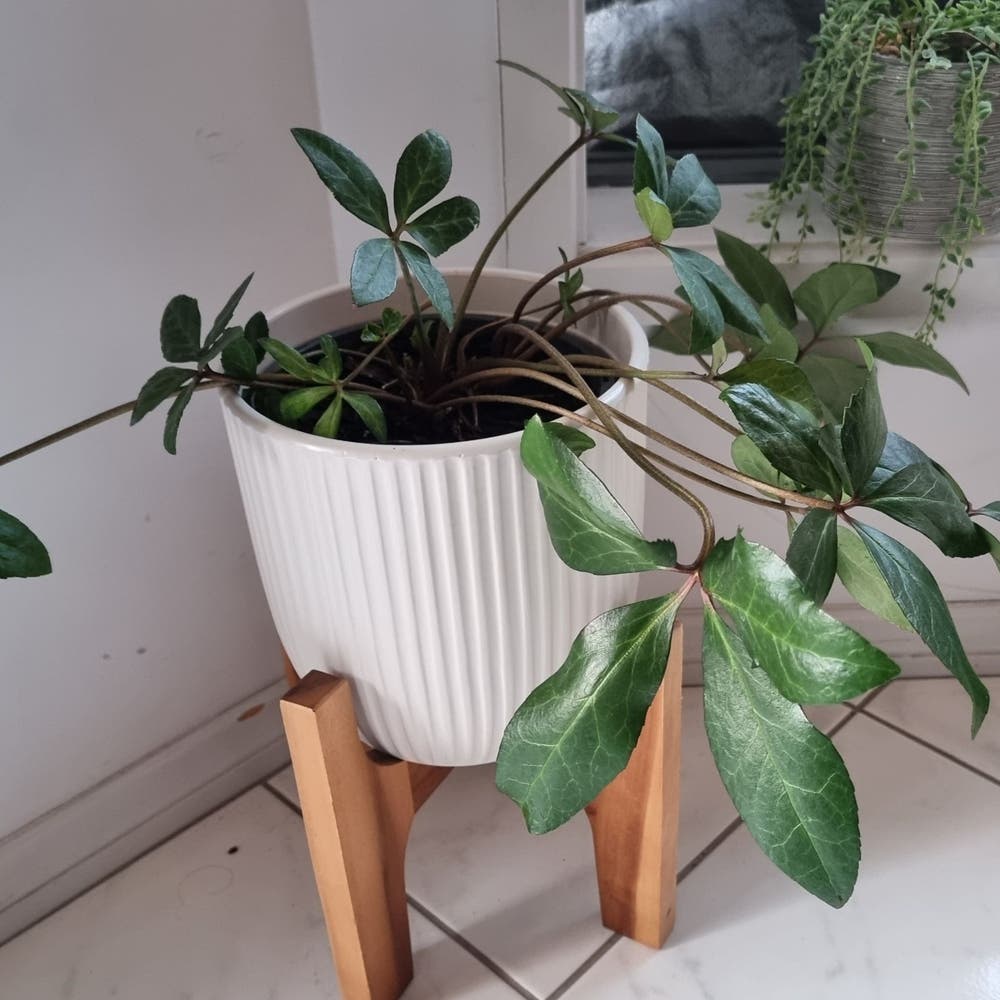
My plant has grown weird. I bought it nice and compact. But now, the leaves are growing downwards and wide ? What should I do. #LentenRose
-
Should I water after repotting? Her soil was still moist and I kept a lot of the original soil, just filling up the new pot with my own mix where needed. Her stems are pretty droopy right now, probably from repotting. Not sure if I should water her a bit if her soil is already moist. According the the app it says I watered 2 days ago, but that’s when I actually bought the plant and brought it home. Also Greg says this is a Lenten Rose, but according the label it’s a Helleborus Ice N Roses hybrid. Is that pretty much the same thing? #LentenRose #Helleborus #PlantsMakePeopleHappy #BalconyPlants #OutdoorGrowing #outdoorplants
-
Do these beautiful plants do well indoors? Mine is drooping. #LentenRose
Care Summary for Hellebore 'Pale Picotee'
Hellebore 'Pale Picotee'
 Greg recommends:
 Water
Water
0.5 cups every 9 days
 Placement
< 3ft from a window
 Nutrients
Repot after 2x growth
Based on the 4” pot your plant is in, and that it doesn’t get direct sunlight.
 Trending in your area










 Similar to Hellebore 'Pale Picotee'

✨ Discover rare plants

Philodendron 'Glorius'

Dinteranthus microspe…
Astroloba congesta

Phalaenopsis schiller…

Rainbow Echeveria

Black Monkey Thorn Tr…

Betel

Kilimanjaro Plant

Thelocactus macdowell…

Pseudorphipsalis 'Blu…

Rhipsalis clavata

Anthurium papillilami…

Anastasia Weeping Fig

Graptoveria 'Douglas …

Scindapsus pictus 'Si…

Variegated Arrowhead …

Hoya kalimantan
