
Erica areolata
Taxonomy

Erica areolata
Erica
Ericaceae
Ericales

How to care for Erica areolata
How often to water your Erica areolata

every 9
Erica areolata needs 0.5 cups of water every 9 when it doesn’t get direct sunlight and is potted in a 5" pot.
Use our water calculator to personalize watering recommendations to your environment or download Greg for more advanced recommendations for all of your plants.
Water 0.5 cups every
9
Finding light for Erica areolata in your home

a window
Erica areolata love being close to bright, sunny windows 😎.
Place it less than 1ft from a south-facing window to maximize the potential for growth.
Erica areolata does not tolerate low-light 🚫.
Select your region to see how the current weather in your area affects the placement of Erica areolata in your home 🏡.
How to fertilize Erica areolata

Most potting soils come with ample nutrients which plants use to produce new growth.
By the time your plant has depleted the nutrients in its soil it’s likely grown enough to need a larger pot anyway.
To replenish this plant's nutrients, repot your Erica areolata after it doubles in size or once a year—whichever comes first.
-
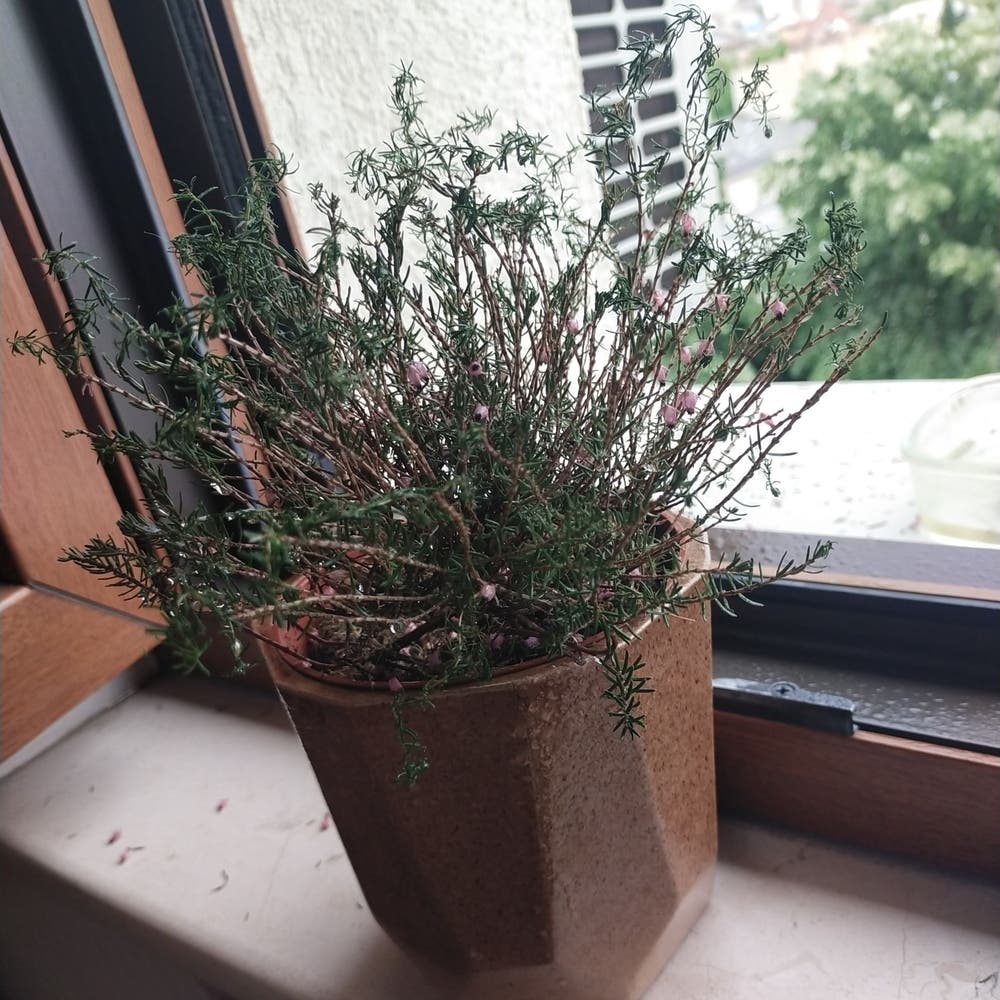
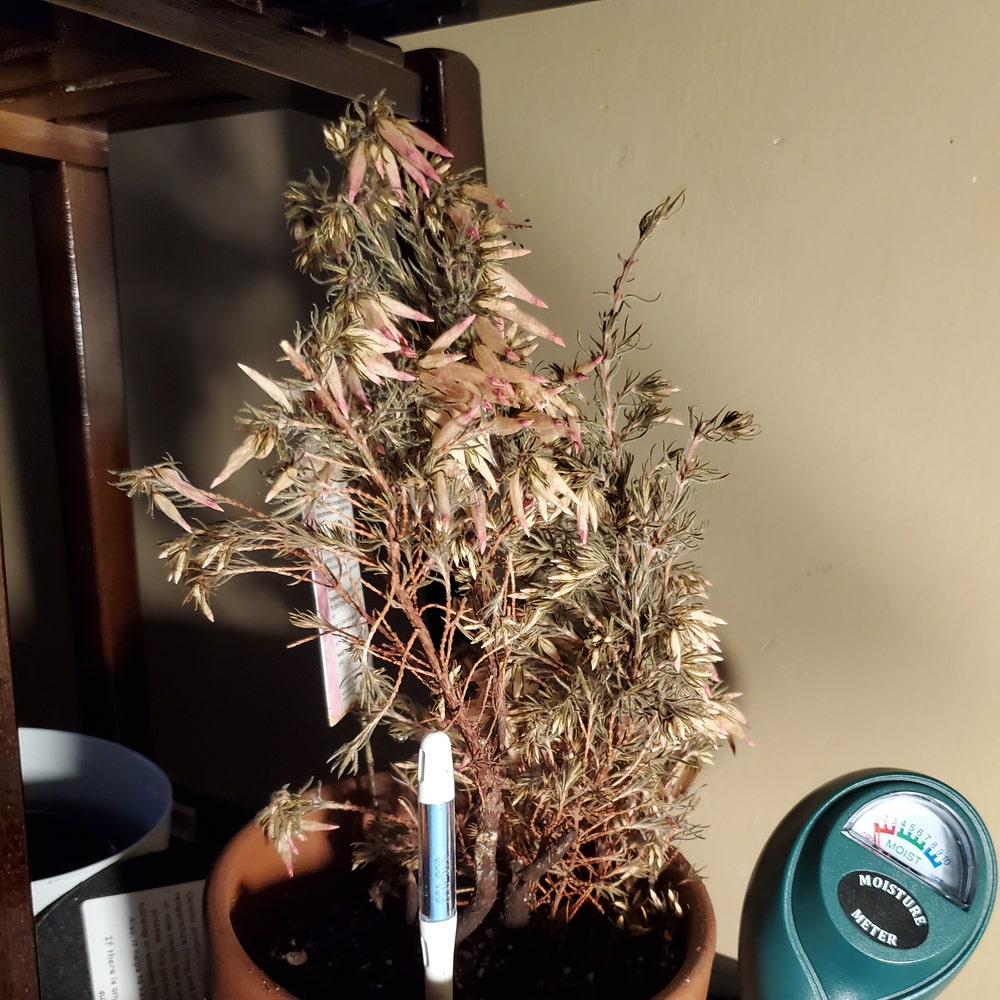
The flowers are turning yellow I got it when it was all white but slowly it turned yellow. Not sure if its normal? Its still growing though with new flowers they were white for a day or 2 and became brown also. I have asked a local plant shop they said that it could be because its an import plant and it just turns brown naturally in this climate
-
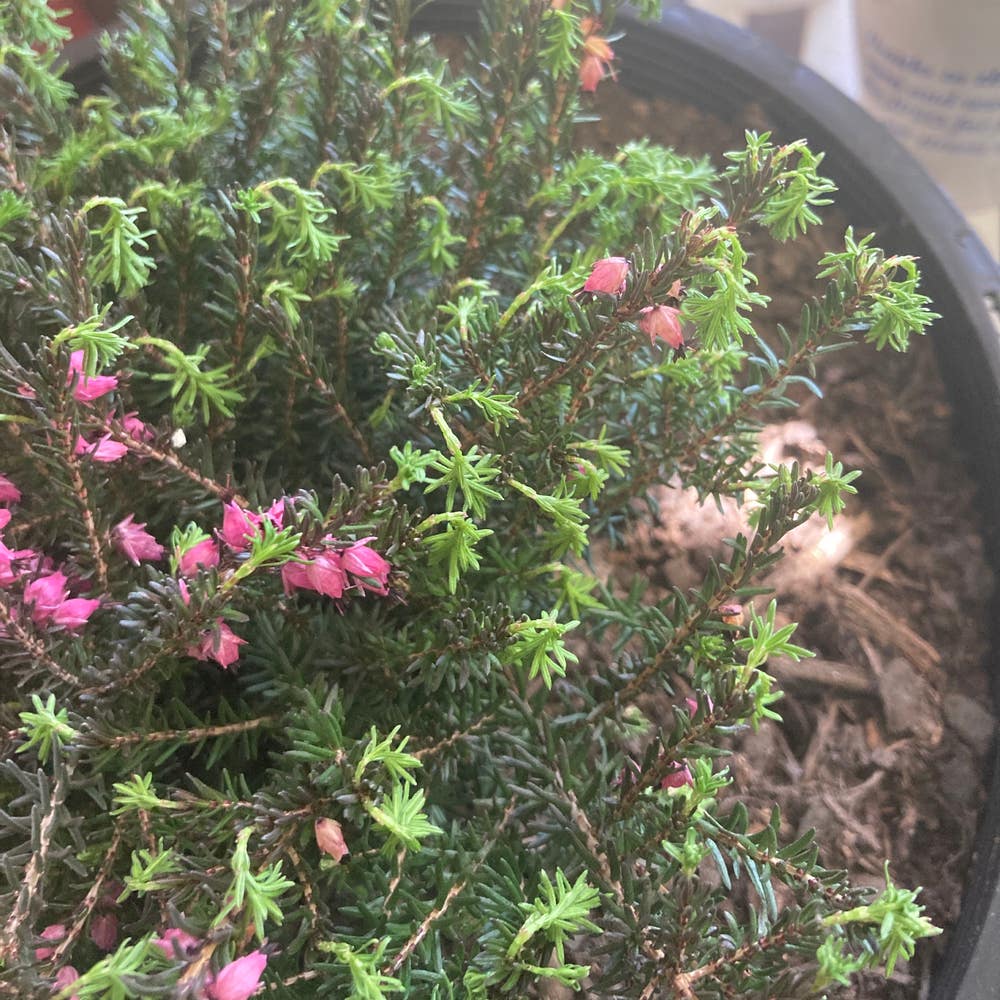
For those of you who enjoy #RootPorn 😅 Don’t worry, she got a trim, new soil and a bigger pot. 💕 #Heather #rootbound #PlantTherapy #PatioPlants
-
My winter heath has been shedding too much lately, my plant shelf is full of it's leaves and I just noticed this now, it's like it happened overnight. Can anyone tell me what to do?
-
How do I know when to feed my italian heather plany
-
My winter heath’s new growth is droopy. Is this normal?

Care Summary for Erica areolata
Erica areolata
 Greg recommends:
 Water
Water
0.5 cups every 9 days
 Placement
< 1ft from a window
 Nutrients
Repot after 2x growth
Based on the 4” pot your plant is in, and that it doesn’t get direct sunlight.
 Trending in your area















 Similar to Erica areolata

✨ Discover rare plants

Echeveria Esther
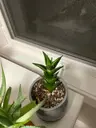
Astroloba congesta

Hoya fitchii

White Apple Moth Orch…

Raphionacme flanaganii

Vatricania guentheri

Anthurium 'Fantasy Lo…

Graptoveria 'Douglas …

Hoya sipitangensis

Christmas Candle

Electric Fern

Tillandsia caerulea A…

Anastasia Weeping Fig

Anthurium Fingers

Radiator Plant

Betel

Maroon Pitcher Plant
