
Colocasia 'Geisha Gone Wild'
Taxonomy

Colocasia esculenta 'Geisha Gone Wild'
Colocasia
Araceae
Alismatales

How to care for Colocasia 'Geisha Gone Wild'
How often to water your Colocasia 'Geisha Gone Wild'

every 9
Colocasia 'Geisha Gone Wild' needs 0.5 cups of water every 9 when it doesn’t get direct sunlight and is potted in a 5" pot.
Use our water calculator to personalize watering recommendations to your environment or download Greg for more advanced recommendations for all of your plants.
Water 0.5 cups every
9
Finding light for Colocasia 'Geisha Gone Wild' in your home

a window
Colocasia 'Geisha Gone Wild' may have difficulty thriving, and will drop leaves 🍃, without ample sunlight.
Place it less than 3 feet from a south-facing window to maximize the potential for growth.
Select your region to see how the current weather in your area affects the placement of Colocasia 'Geisha Gone Wild' in your home 🏡.
How to fertilize Colocasia 'Geisha Gone Wild'

Most potting soils come with ample nutrients which plants use to produce new growth.
By the time your plant has depleted the nutrients in its soil it’s likely grown enough to need a larger pot anyway.
To replenish this plant's nutrients, repot your Colocasia 'Geisha Gone Wild' after it doubles in size or once a year—whichever comes first.
-
What’s causing this to yellow? I have it inside. Too little light maybe?
-
Anyone want to give a better guess as to what type it actually is? #Taro
-
I just got my elephant ear 2 weeks ago. It's growing like mad. Does it need to be braced or leave it alone? It is a inside plant. Also how big of a pot does it need? Ty #Taro
-
It looks shriveled up like it's dying it has a grow light and it isn't supposed to need water #Taro
-
It is constantly dripping water from its leaves since I watered it. Is this normal? What should I do? #Taro
-
Elephant leaf too tall?! Hello!! Recently got an elephant leaf, it has tripled if not quadrupled in size in just two-three weeks…. Uhm… should I maybe leave it out of the grow light zone?! I feel like it’s getting way too tall too fast 😂😂 help!
-
Spider mites? My kids got me this beautiful plant for mother's day.
-
Soooo are these plants always dramatic?!? Why does one leaf die when a new one grows? Also this plant attracts a lot of gnats (seen on the yellow sticky)
-
What do I need to do to save just planted it in the ground #Taro
-
Hi all, what on earth is happening?! I see no bugs or baddies but it keeps sagging its leaves… many thanks!


Care Summary for Colocasia 'Geisha Gone Wild'
Colocasia 'Geisha Gone Wild'
 Greg recommends:
 Water
Water
0.5 cups every 9 days
 Placement
< 3ft from a window
 Nutrients
Repot after 2x growth
Based on the 4” pot your plant is in, and that it doesn’t get direct sunlight.
 Trending in your area










 Similar to Colocasia 'Geisha Gone Wild'


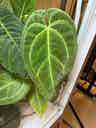


✨ Discover rare plants

Electric Blue Gecko

Lavandula Pedunculata

Ruby Ball

Crassula 'Calico Kitt…

Scindapsus pictus 'Si…

Miss All-American Bea…

Electric Fern
White Apple Moth Orch…

Pseudorphipsalis 'Blu…

Orange Lipstick Plant

Aloe 'Lavender Star'

Graptoveria 'Douglas …

Fagraea ceilanica

Crassula 'Purple Drag…

Tuber Fleeceflower
Astroloba congesta

Picasso's Paintbrush
