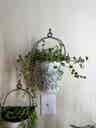
Cape Spider Plant
Taxonomy

Chlorophytum capense
Chlorophytum
Asparagaceae
Asparagales

How to care for Cape Spider Plant
How often to water your Cape Spider Plant

every 9
Cape Spider Plant needs 0.5 cups of water every 9 when it doesn’t get direct sunlight and is potted in a 5" pot.
Use our water calculator to personalize watering recommendations to your environment or download Greg for more advanced recommendations for all of your plants.

Water 0.5 cups every
9
Finding light for Cape Spider Plant in your home

a window
Cape Spider Plant can tolerate being far from a window and light source.
Place it less than 6 feet from a south-facing window to ensure it receives enough light to survive 💪.
Select your region to see how the current weather in your area affects the placement of Cape Spider Plant in your home 🏡.
How to fertilize Cape Spider Plant

Most potting soils come with ample nutrients which plants use to produce new growth.
By the time your plant has depleted the nutrients in its soil it’s likely grown enough to need a larger pot anyway.
To replenish this plant's nutrients, repot your Cape Spider Plant after it doubles in size or once a year—whichever comes first.
-
What is this fungus? And how should I treat it? It popped up while I was traveling over the weekend. #SpiderPlant
-
She's so big now!!! EEEEEEEEEEEEEEEEEEEEEEEEEEEE!!!! Excited plant momma :>
-
No matter what i do with this spider plant it doesnt seem happy with anything all i want is a good looking spider plant also it looked way better than this when i got it #SpiderPlant
-
How do I handle browning tips #SpiderPlant
-
Help! #SpiderPlant. I bought my spiderplant about 3 years ago. Named Robert Plant, and hasn't sprouted spiderettes yet? Can someone help?
-
Do I have three varieties of Spider Plant or just two? One of my new plants is variegated with curly leaves, one is variegated with straight leaves and one is solid green. #SpiderPlant #HappyPlants #PlantsMakePeopleHappy
-
Tips for a beginner #Dracaena so I just got it yesterday and have no idea what to do, what soil and how much to water and what not so any help is needed, google said it's spider plant but that didn't seem true so I'm working if it's a dracaena , also it had welting and spots on it's leaves is that bad ? #help #helpneeded #spiderplant #happyplants #plantaddict #newplantmom #newplantmom #rareplants #plantid #plantidentification
-
I've had my spider plant well over 2 years. Wondering why its not having spiderettes? #SpiderPlant
-
How much fertilizer #SpiderPlant
-
I would like to delete it #SpiderPlant


Care Summary for Cape Spider Plant

Cape Spider Plant
 Greg recommends:
 Water
Water
0.5 cups every 9 days
 Placement
< 6ft from a window
 Nutrients
Repot after 2x growth
Based on the 4” pot your plant is in, and that it doesn’t get direct sunlight.
 Trending in your area






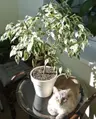


 Similar to Cape Spider Plant

✨ Discover rare plants

Philodendron 'Glorius'

Royal Flush Split Rock

Echeveria 'Joan Danie…

Hoya fitchii

Aloe 'Lavender Star'

Lavandula Pedunculata
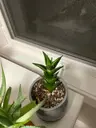
Astroloba congesta

Electric Fern

Betel

Pink Ruby Sedevaria
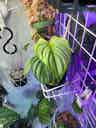
Philodendron 'Silver …

Burro's Tail

Parrot Pitcher Plant

Anthurium 'Fantasy Lo…

Eden Climbing Rose

Treasure Flower