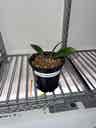
Asparagus fractiflexus
Taxonomy

Asparagus fractiflexus
Asparagus
Asparagaceae
Asparagales

How to care for Asparagus fractiflexus
How often to water your Asparagus fractiflexus

every 9
Asparagus fractiflexus needs 0.5 cups of water every 9 when it doesn’t get direct sunlight and is potted in a 5" pot.
Use our water calculator to personalize watering recommendations to your environment or download Greg for more advanced recommendations for all of your plants.
Water 0.5 cups every
9
Finding light for Asparagus fractiflexus in your home

a window
Asparagus fractiflexus may have difficulty thriving, and will drop leaves 🍃, without ample sunlight.
Place it less than 3 feet from a south-facing window to maximize the potential for growth.
Select your region to see how the current weather in your area affects the placement of Asparagus fractiflexus in your home 🏡.
How to fertilize Asparagus fractiflexus

Most potting soils come with ample nutrients which plants use to produce new growth.
By the time your plant has depleted the nutrients in its soil it’s likely grown enough to need a larger pot anyway.
To replenish this plant's nutrients, repot your Asparagus fractiflexus after it doubles in size or once a year—whichever comes first.
-
Asparagus plant, I know that it’s supposed to be easy to grow. But mine keeps turning yellow/brown. Can someone please help me with this?
-
Why my asparagus doesnt grow?
-
Not getting enough light? Or just a freak? I’m not sure what’s happening here lol. I thought it wasn’t getting enough light so I moved it directly to the window sill (north facing) and it started sprouting the second little guy. Is this normal behavior or am I messing something up? I love it and think it’s goofy, but want to make sure I’m not neglecting this guy
-
Does this plant need pruning? Also any advice on the yellow leaves? I’m in NorCal but it is winter not sure if temp thing. #AsparagusFern
-
Started Browning? there are some of the old leafs that are kind of becoming crispy and yellowish, this plant suffered a big change, I bought it from a place that sold them outside in the cold, and now it's in my bathroom so it could be that or maybe something else #AsparagusFern
-
He’s sick because I don’t know how to save him! Is it too late? Do you think he can make it? #AsparagusFern
-
need advice on asparagus fern (again) Adore this plant but it give me lots of trouble. I mist regularly and have it close but not in direct sunlight. Sometimes put it in the bathroom during a shower to get some extra humidity. Bottom watered like it like I normally do and overnight it’s turned pale/yellow - any advice? #AsparagusFern #help
-
My leaves are turning brown is there something I should be doing? #AsparagusFern
-
Did some “touch ups” work for my first terrarium — Now he’s looking fresh again 🌿😌 #HappyPlants #PlantsMakePeopleHappy #PlantAddict #PlantTherapy #Terrariums #green #PlantCorner #adhd
-
Root rot or stress? I had to repot both of my foxtail ferns recently as the terrible nursery pots I got them in were infested with ants (AND the plants were so root bound there was hardly any soil left.. what was left was holding onto water way too long) and this one has been yellowing quicker since. I already had concerns about root rot since the nursery pots held onto water for so long, but there was so smell or obvious rotting while I was repotting (The bulbs were soft, but a lot of them actually seemed dry.. all the worst ones fell off too) so I’m wondering if this is actually root rot or if it’s just stress from the move? Maybe both? Help! #PlantsMakePeopleHappy #PlantAddict #PlantTherapy #NewPlantMom #FloweringPlants #FernFriends #FoxtailFern #PlumeAsparagus #RootRot #NewPotWhosThis #help #helpneeded


Care Summary for Asparagus fractiflexus
Asparagus fractiflexus
 Greg recommends:
 Water
Water
0.5 cups every 9 days
 Placement
< 3ft from a window
 Nutrients
Repot after 2x growth
Based on the 4” pot your plant is in, and that it doesn’t get direct sunlight.
 Trending in your area














 Similar to Asparagus fractiflexus


✨ Discover rare plants

Chandelier Plant

Euphorbia
Skeleton Key Pothos

Red Mistletoe Cactus

Chinese Evergreen 'Ga…
Hoya 'Memoria'
Linnaei Kunth

Tillandsia caerulea A…

Maroon Pitcher Plant

Hoya fitchii

Cleistocactus icosago…

Burro's Tail

Blue Moon Wisteria

Sedum 'White Diamond'

Rhipsalis clavata

Anastasia Weeping Fig

Croton Nervia