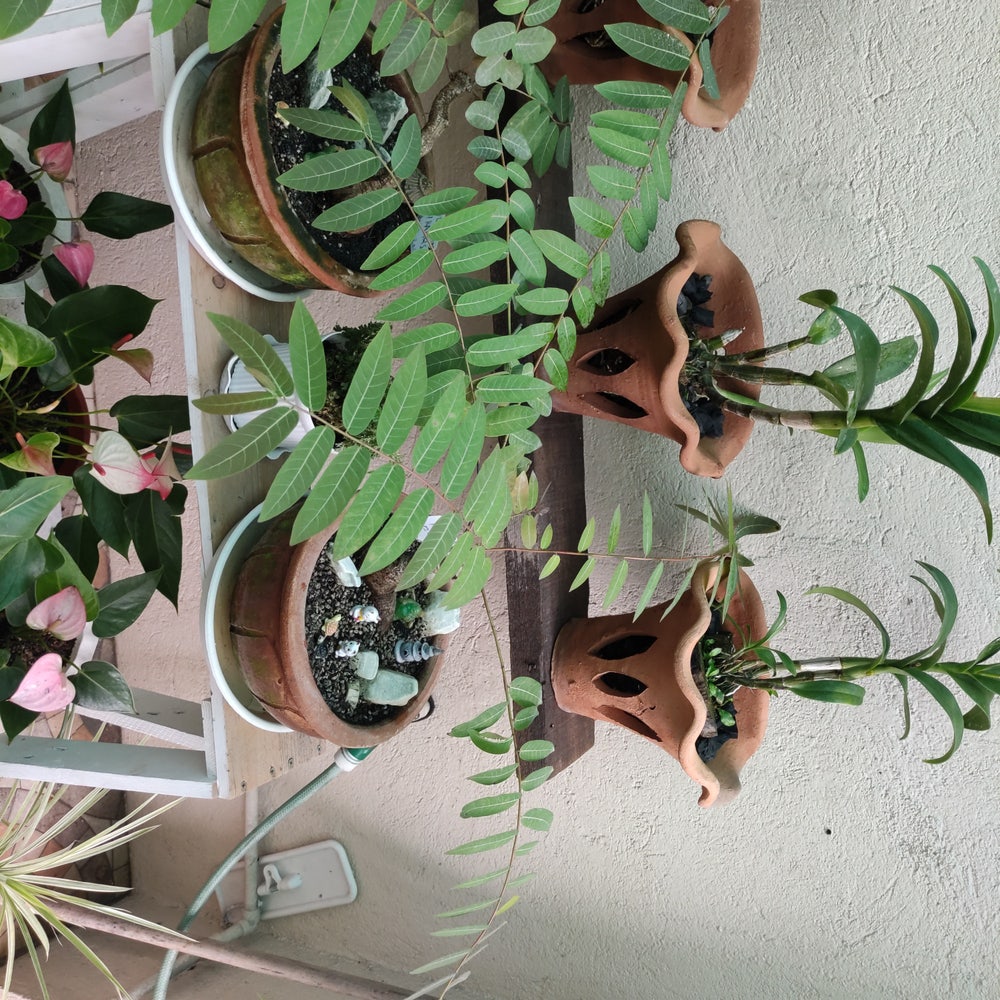
🚫 Phyllanthus: An Invasive Plant
Phyllanthus spp.
By the Greg Editorial Team
Nov 06, 2024•8 min read
This article was created with the help of AI so we can cover more plants for you. May contain errors. See one? Report it here.
Learn why controlling the invasive Phyllanthus is vital for safeguarding ecosystems and agriculture! 🌱🌍
- 🌱 Phyllanthus is invasive, rapidly spreading and competing with native plants.
- ⚠️ It disrupts ecosystems, reducing biodiversity and harming local wildlife food sources.
- 🛠️ Effective management includes removal, chemical control, and community involvement.
Plant Classification
Definition of Weeds and Invasive Species 🌱
Weeds are unwanted plants that invade cultivated areas, often competing with desired crops for nutrients and space. In contrast, invasive species are non-native plants that spread aggressively, disrupting local ecosystems and outcompeting native flora.
Criteria for Classifying Phyllanthus as Invasive 🚫
Phyllanthus is classified as invasive due to its rapid spread, which allows it to cover large areas quickly through its creeping growth habit. Its competitive nature enables it to outcompete native vegetation for essential resources, leading to significant ecological impacts that alter habitats and reduce biodiversity.
Comparison with Other Common Invasive Plants 🌿
Phyllanthus shares similarities with other notorious invasive species, such as kudzu and Japanese knotweed, particularly in its ability to spread aggressively. However, it differs in its growth habits and the specific ecological impacts it has on the environments it invades, making it a unique threat to local ecosystems.
Understanding these classifications helps in recognizing the challenges posed by Phyllanthus and the importance of managing its spread effectively. This knowledge sets the stage for exploring its identification and growth habits in the following sections.
Identification
Key Identifying Features 🌿
Identifying Phyllanthus can be straightforward if you know what to look for. The plant features alternate, simple leaves that are arranged in a distinctive pattern, making them easy to spot.
The flowers of Phyllanthus are small and often inconspicuous, which means they might be overlooked in a garden or natural setting. Its growth habit is another telltale sign; it creeps or sprawls across the ground, frequently forming dense mats that can quickly take over an area.
Look-Alike Plants and Distinguishing Characteristics 👀
Phyllanthus can sometimes be confused with similar species, such as Euphorbia. However, there are key differences that can help you distinguish between them.
For instance, the leaf shape and arrangement differ significantly. While Euphorbia may have more varied leaf shapes, Phyllanthus maintains a more uniform appearance. Additionally, the flower structure and growth patterns provide further clues; Euphorbia tends to have more prominent flowers compared to the subtle blooms of Phyllanthus.
Understanding these characteristics is crucial for effective identification and management of this invasive plant. By recognizing Phyllanthus early, you can take steps to control its spread before it becomes a larger issue.
As we move forward, we'll explore the growth habits and spread of Phyllanthus, shedding light on how this plant proliferates in various environments.
Growth Habits and Spread
Typical Growth Patterns 🌱
Phyllanthus exhibits a creeping growth habit that allows it to rapidly cover large areas. This adaptability enables it to thrive in various soil types and conditions, making it a formidable presence in many environments.
Reproductive Strategies and Seed Dispersal 🌬️
One of the most striking features of Phyllanthus is its high seed production, with a single plant capable of generating thousands of seeds. These seeds are dispersed through multiple mechanisms, including wind, water, and animal movement, facilitating its spread across vast distances.
Environmental Conditions Favoring Spread 🌍
Phyllanthus prefers disturbed areas, thriving in locations such as gardens, roadsides, and agricultural fields. Its resilience allows it to tolerate a wide range of environmental conditions, including drought and poor soil, further enhancing its invasive potential.
Understanding the growth habits and spread of Phyllanthus is crucial for effective management and control. Next, we will explore the ecological impacts this invasive plant has on native ecosystems and biodiversity.
Ecological Impact
🌱 Effects on Native Plant Communities
Phyllanthus competes aggressively with native plant species, leading to a significant reduction in biodiversity. This competition can alter habitat structures and disrupt essential ecosystem functions.
🦉 Impact on Wildlife and Biodiversity
The presence of Phyllanthus can disrupt food sources for native fauna, making survival more challenging for various wildlife. Additionally, it may lead to potential habitat loss, further threatening local biodiversity.
🌍 Influence on Soil Health and Water Resources
Phyllanthus can change soil composition and nutrient availability, negatively affecting the health of the ecosystem. Its spread also impacts water retention and quality, which can have cascading effects on both plant and animal life in the area.
Understanding these ecological impacts is crucial for recognizing the broader consequences of Phyllanthus invasion. As we delve deeper into its economic and agricultural effects, we can better appreciate the urgency of managing this invasive species effectively.
Economic or Agricultural Impact
💸 Economic Losses Associated with Phyllanthus
Phyllanthus can lead to significant economic losses due to the costs associated with its management and control. Farmers often face increased expenses for herbicides, labor, and equipment to combat this invasive plant.
Additionally, crop yields can suffer dramatically in agricultural settings where Phyllanthus thrives. Its aggressive growth can overshadow crops, leading to reduced harvests and financial strain on farmers.
🌾 Agricultural Challenges Posed by Its Presence
The presence of Phyllanthus creates fierce competition with crops for essential nutrients and water. This competition can hinder crop growth, making it challenging for farmers to maintain healthy yields.
Moreover, managing Phyllanthus requires increased labor and resource allocation. Farmers must invest time and money into weed management strategies, diverting resources from other critical agricultural activities.
In summary, the economic impact of Phyllanthus is profound, affecting both the bottom line for farmers and the overall agricultural productivity. Addressing these challenges is crucial for sustaining healthy ecosystems and agricultural practices.
As we explore the control and management of Phyllanthus, understanding these economic implications can help inform effective strategies.
Control and Management
🌱 Manual Removal Techniques and Best Practices
To effectively manage Phyllanthus, start by identifying infested areas. Once you’ve pinpointed the problem spots, hand-pulling or digging out the roots is essential to prevent regrowth.
Disposal is crucial; bag the removed plants and ensure they are taken off-site to avoid re-establishment. This method is labor-intensive but can be effective for small infestations.
🧪 Overview of Chemical Control Options
Herbicides can be a powerful tool in controlling Phyllanthus. Various types exist, each with specific application methods that can target this invasive plant effectively.
Timing is key; applying herbicides during the plant's active growth phase maximizes effectiveness. Always follow precautions to protect surrounding vegetation and minimize environmental impact.
🦠 Biological Control Methods and Their Effectiveness
Exploring biological control methods can offer sustainable solutions. Potential natural predators or pathogens may help keep Phyllanthus in check.
Current research is ongoing to identify effective biological agents. While promising, these methods require careful consideration and monitoring to ensure they don’t disrupt local ecosystems.
🚫 Preventive Measures to Limit Spread
Preventing the spread of Phyllanthus starts with good garden management practices. Regularly inspect your garden for signs of invasion and maintain healthy native plant communities to outcompete invasive species.
Creating a diverse ecosystem can significantly reduce the chances of Phyllanthus taking hold. Healthy plants are better equipped to resist invasions.
👀 Importance of Early Detection and Rapid Response
Early detection is vital in managing Phyllanthus effectively. Implementing strategies for monitoring your garden can help identify early signs of invasion before they escalate.
Community involvement plays a crucial role in managing infestations. Encourage neighbors to report sightings and work together to control this invasive plant, fostering a collaborative approach to environmental stewardship.
By staying vigilant and proactive, we can protect our local ecosystems from the impacts of Phyllanthus and other invasive species.
Legal Status
📝 Overview of Laws and Regulations Regarding Phyllanthus
Phyllanthus is classified as an invasive species under various federal and state regulations. These laws aim to control the spread of non-native plants that threaten local ecosystems.
Specific regulations govern the sale and transport of Phyllanthus. Many states have enacted laws that restrict its distribution to prevent further ecological damage.
🚧 Requirements for Removal or Control in Specific Regions
Local ordinances often outline guidelines for managing invasive plants like Phyllanthus. These regulations can vary significantly, so it's essential to check local laws.
Community programs frequently focus on controlling Phyllanthus. These initiatives may include public awareness campaigns and organized removal efforts.
⚖️ Discussion of Any Penalties for Non-Compliance
Failing to manage invasive species can lead to potential fines or legal repercussions. Authorities may impose penalties on individuals or organizations that neglect their responsibilities in controlling Phyllanthus.
Understanding these legal frameworks is crucial for anyone involved in land management or gardening. By adhering to regulations, we can help protect our native ecosystems from the threats posed by invasive species.
This awareness sets the stage for exploring the potential benefits or uses of Phyllanthus, despite its invasive nature.
Potential Benefits or Uses
🏺 Historical Uses of Phyllanthus in Traditional Medicine
Phyllanthus has a rich history in traditional medicine, particularly in various cultures across Asia and Africa. Many species are celebrated for their potential medicinal properties, such as liver health support and anti-inflammatory effects.
🌍 Cultural Significance in Various Regions
In regions like India, Phyllanthus is often used in Ayurvedic practices, highlighting its importance in cultural health traditions. Its applications range from treating liver disorders to managing diabetes, showcasing its versatility in herbal medicine.
🔬 Current Research on Beneficial Properties
Recent studies continue to explore the health benefits of Phyllanthus, focusing on its antioxidant and antiviral properties. However, researchers emphasize caution, as the plant's invasive nature poses significant ecological risks.
⚠️ Emphasis on Negative Impacts Outweighing Benefits
Despite its medicinal potential, the negative impacts of Phyllanthus as an invasive species often overshadow its benefits. Its aggressive growth disrupts local ecosystems, reduces biodiversity, and creates economic challenges, making careful consideration essential.
In summary, while Phyllanthus has historical and potential medicinal uses, its invasive characteristics present serious concerns that must be addressed. Understanding these dynamics is crucial for balancing its benefits against the ecological costs.
⚠️ Safety First
This content is for general information and may contain errors, omissions, or outdated details. It is not medical, veterinary advice, or an endorsement of therapeutic claims.
Always consult a qualified healthcare professional before using any plant as food, medicine, or supplement.
Never eat any plant (or feed one to pets) without confirming its identity with at least two trusted sources.
If you suspect poisoning, call Poison Control (800) 222-1222, the Pet Poison Helpline (800) 213-6680, or your local emergency service immediately.
Spotted an error? Please report it here.
Combat the spread of invasive Phyllanthus 🌱 by leveraging Greg's plant identification and community insights to protect your local ecosystem and promote biodiversity!