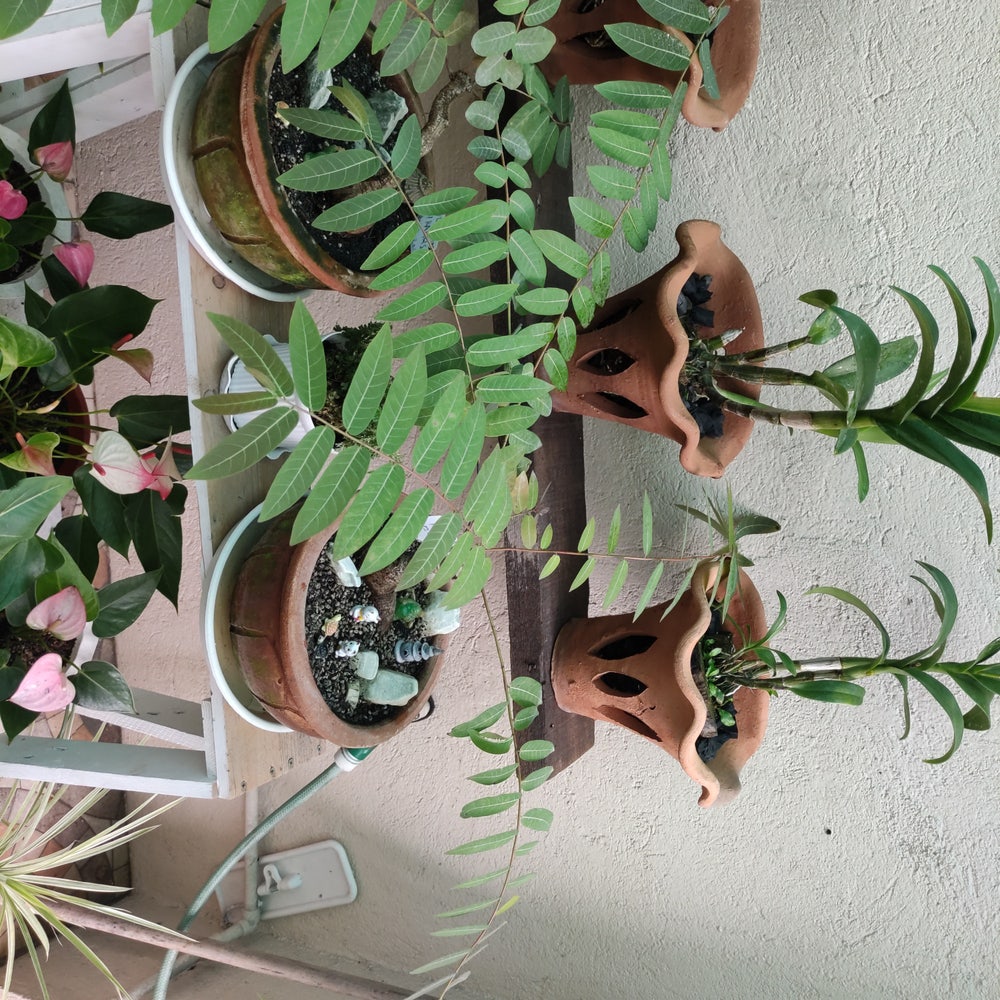
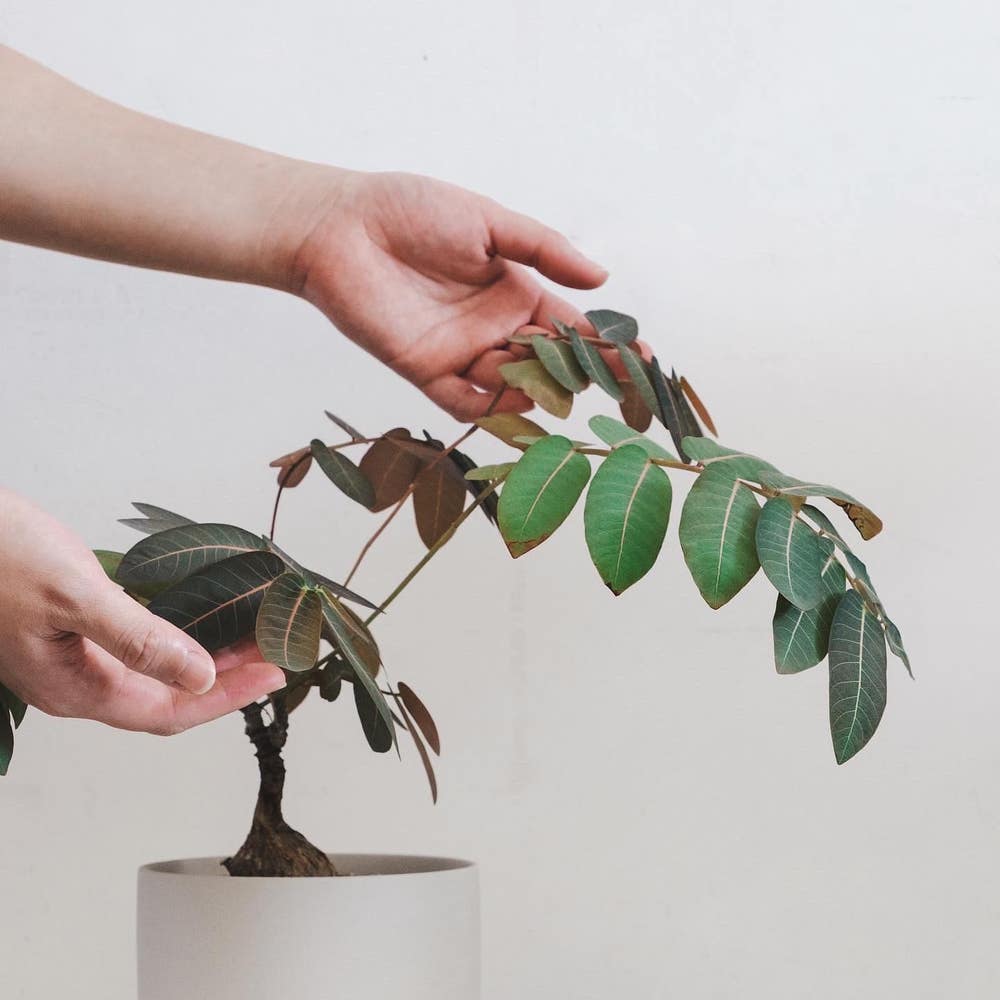
📅 Phyllanthus: An Annual Plant
Phyllanthus spp.
By the Greg Editorial Team
Nov 06, 2024•5 min read
This article was created with the help of AI so we can cover more plants for you. May contain errors. See one? Report it here.
Transform your garden with Phyllanthus's unique lifecycle and adaptability for vibrant growth! 🌱
- 🌱 Phyllanthus is an annual plant with a rapid lifecycle from germination to seed production.
- 🌍 Adaptable to various habitats, it thrives in both tropical and temperate zones.
- 🌼 Effective reproduction strategies ensure survival, including both sexual and asexual methods.
Genetic and Physiological Characteristics
🌱 Lifecycle of Phyllanthus
The lifecycle of Phyllanthus is a fascinating journey that begins with germination. Under optimal conditions, seeds sprout rapidly, setting the stage for the plant's quick development.
During the vegetative growth phase, Phyllanthus establishes its foliage and root systems efficiently. This stage is crucial as it prepares the plant for the next phase: flowering.
Flowering occurs when the plant is ready, influenced by specific timing and environmental conditions. This is a critical moment, as it leads to the next step in the lifecycle: seed production.
Seed production involves mechanisms that ensure effective dispersal. Timing is key here, as it aligns with environmental conditions to maximize germination success.
📈 Growth Patterns and Development Stages
Phyllanthus exhibits a rapid growth rate, allowing it to adapt swiftly to seasonal changes. This adaptability is vital for its survival in various environments.
The development stages of Phyllanthus can be broken down into two main phases.
Seedling Stage: This stage requires careful attention, as young plants need adequate light, water, and nutrients to thrive.
Mature Plant Stage: At maturity, Phyllanthus can reach impressive heights and spreads, showcasing dense foliage that contributes to its overall vigor.
🌼 Reproductive Strategies
Phyllanthus employs both sexual and asexual reproduction strategies to ensure its survival.
In terms of sexual reproduction, the flowering characteristics are diverse, with various types of flowers and effective pollination strategies. This diversity enhances the plant's ability to produce a significant quantity of viable seeds.
On the other hand, some species of Phyllanthus can reproduce asexually through vegetative propagation. This ability allows them to thrive in less-than-ideal conditions, showcasing their resilience and adaptability.
As we explore the evolutionary advantages of Phyllanthus, we will uncover how these genetic and physiological traits contribute to its success in diverse environments.
Evolutionary Advantages
Adaptation to Various Environments 🌍
Phyllanthus is a remarkable plant that thrives in a wide range of habitats, from lush tropical rainforests to cooler temperate zones. This adaptability is crucial for its survival, allowing it to flourish in diverse conditions.
To cope with environmental stressors, Phyllanthus employs several strategies. It can withstand drought by developing deep root systems that access moisture, while also managing to survive flooding through rapid growth and flexible structures. Additionally, its ability to utilize available nutrients efficiently ensures it can thrive even in less-than-ideal soil conditions.
Benefits of an Annual Lifecycle 🌱
One of the standout features of Phyllanthus is its quick lifecycle, which enables rapid colonization of disturbed areas. This characteristic is particularly advantageous in environments that experience frequent changes, such as after natural disasters or human activities.
Moreover, the high seed output of Phyllanthus significantly boosts its survival rates and genetic diversity. By producing a large quantity of seeds, the plant increases its chances of successful germination and establishment, ensuring that its lineage continues even in challenging environments.
The evolutionary advantages of Phyllanthus not only highlight its resilience but also set the stage for understanding its growth patterns and reproductive strategies.
Impact of Annual Lifecycle on Growth
🌸 Flowering and Seed Production
The flowering period of Phyllanthus is closely tied to seasonal cues. Typically, these plants bloom in response to changes in temperature and daylight, signaling the right time to reproduce.
🌬️ Mechanisms of Seed Dispersal
Phyllanthus employs various mechanisms for seed dispersal. Seeds can be carried by wind, float on water, or be transported by animals, ensuring they reach suitable environments for growth.
⏰ Timing of Seed Production
Timing is crucial for seed production in Phyllanthus. The plants synchronize their seed release with environmental conditions, maximizing the chances of optimal germination and survival.
Understanding these aspects of flowering and seed production highlights the efficiency of Phyllanthus's annual lifecycle. This adaptability allows the plant to thrive in diverse environments, setting the stage for its evolutionary success.
Next, we will explore the variations and exceptions within the Phyllanthus family, particularly instances of perennial behavior.
Variations and Exceptions
🌱 Instances of Perennial Behavior
While Phyllanthus is primarily known as an annual plant, some species can display perennial characteristics under specific conditions. This adaptability allows them to survive and thrive in environments that may not be ideal for typical annual growth.
🌍 Factors Influencing Perennial Behavior
Several factors can influence whether a Phyllanthus species behaves as an annual or perennial.
- Climate: Warmer climates may encourage perennial growth, allowing plants to survive through multiple seasons.
- Soil Type: Nutrient-rich soils can support longer lifespans, promoting a more robust growth cycle.
- Water Availability: Consistent moisture can lead to perennial behavior, as plants have the resources needed to sustain themselves year after year.
Understanding these variations can help gardeners and enthusiasts appreciate the resilience and versatility of Phyllanthus. This knowledge also opens up possibilities for cultivating these plants in diverse settings, enhancing both gardens and ecosystems.
As we explore the practical applications of Phyllanthus in gardening, consider how these variations can influence your planting strategies.
Gardening Tips
Utilizing Annual Nature in Garden Design 🌼
Incorporating Phyllanthus into your seasonal garden layout can create vibrant displays and maximize space. These annual plants thrive in various conditions, making them perfect for filling gaps and adding color throughout the growing season.
Consider companion planting to enhance growth and aesthetics. Pairing Phyllanthus with other plants can improve nutrient uptake and deter pests, creating a healthier garden environment.
Tips for Succession Planting 🌱
Staggered planting techniques ensure continuous blooms and a steady supply of fresh foliage. By planting seeds or seedlings at intervals, you can enjoy a prolonged flowering period.
To extend your growing season, utilize cloches, row covers, and optimal planting times. These methods protect your plants from unexpected weather changes and help maintain ideal conditions for growth.
With these strategies, you can make the most of Phyllanthus's annual nature, creating a dynamic and thriving garden. Next, let’s explore how the annual lifecycle impacts flowering and seed production.
⚠️ Safety First
This content is for general information and may contain errors, omissions, or outdated details. It is not medical, veterinary advice, or an endorsement of therapeutic claims.
Always consult a qualified healthcare professional before using any plant as food, medicine, or supplement.
Never eat any plant (or feed one to pets) without confirming its identity with at least two trusted sources.
If you suspect poisoning, call Poison Control (800) 222-1222, the Pet Poison Helpline (800) 213-6680, or your local emergency service immediately.
Spotted an error? Please report it here.
Nurture the rapid lifecycle of Phyllanthus 🌿 with Greg's tailored care reminders and tips, ensuring your plants flourish from seedling to bloom!