Common Peperomia Red Edge Problems
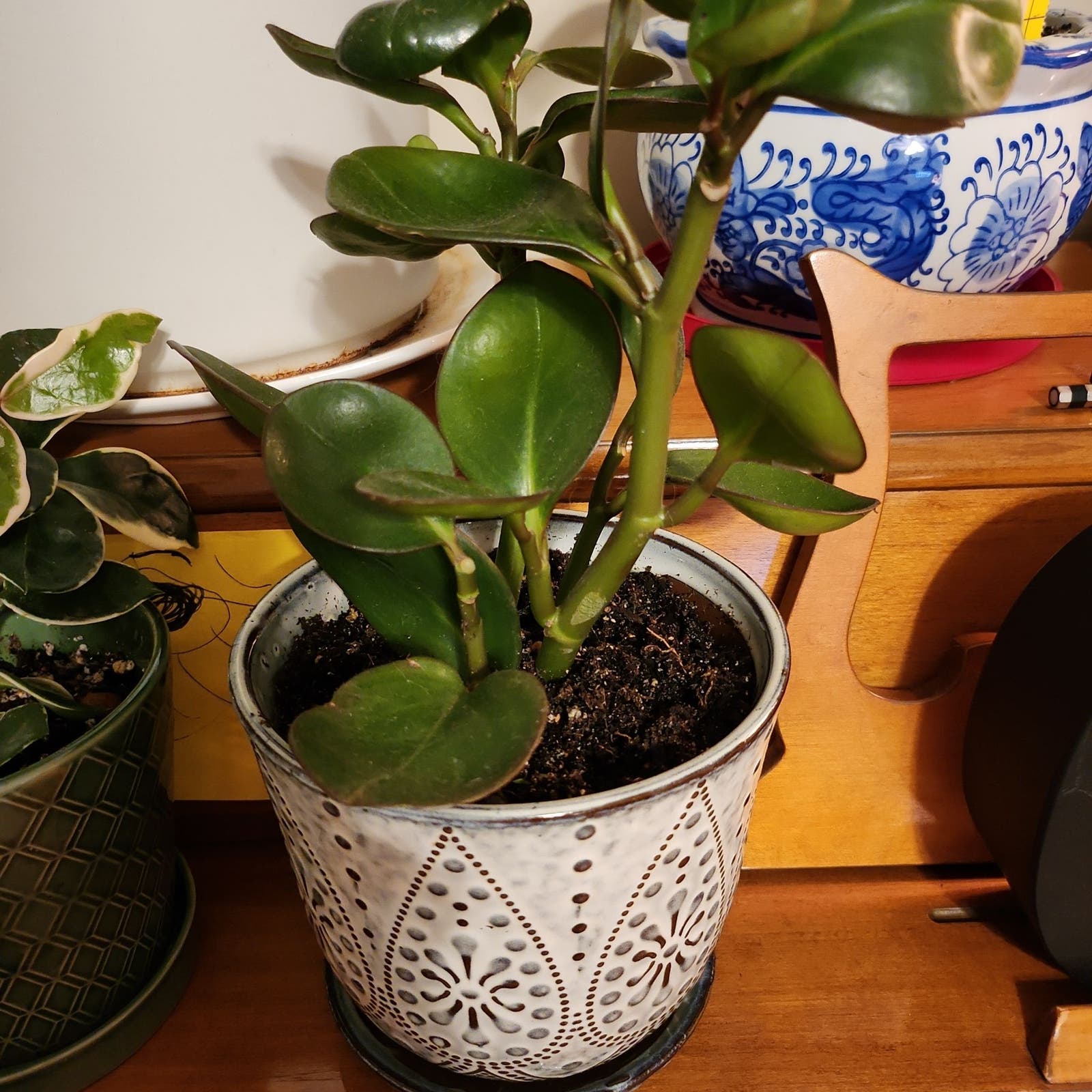
Peperomia Obtusifolia 'Red Edge'
By the Greg Editorial Team
Jun 18, 2024•6 min read
This article was created with the help of AI so we can cover more plants for you. May contain errors. See one? Report it here.
- Over-watering causes yellow leaves; let soil dry and improve drainage.
- Under-watering leads to drooping; water thoroughly and monitor moisture.
- Temperature and light balance is crucial; keep between 65-75°F and in indirect light.
Water Woes: Too Much or Too Little
💦 Over-watering
Yellowing leaves and mushy stems are distress signals from an over-watered Peperomia Red Edge. The plant's roots are gasping for air, and you need to intervene.
Fungal infections thrive in soggy soil, so if you spot mold or a musty smell, it's time to act. Over-watering can also invite unwanted pests, turning your Peperomia into a bug buffet.
Drying Out
First, cut back on watering and let the soil dry. If the pot feels like a soaked sponge, it's too wet. Remove any damaged foliage to prevent disease spread and give the healthy parts a chance to recover.
Ensure proper drainage by checking that water flows freely through the pot. If it doesn't, consider a soil mix with better aeration. Water only when the top 2 inches of soil are dry, and always let excess water escape.
🏜️ Under-watering
When your Peperomia droops like it's lost all hope, it's parched. Dry, crispy leaves are a cry for water, but don't drown it in your eagerness to help.
Quenching the Thirst
A thorough watering should be your first step, allowing the excess to drain away. Think of it as a refreshing drink after a long day.
For a consistent watering routine, use the finger test: if the top inch of soil feels dry, it's time to water. Consider a moisture meter if you're the forgetful type. Remember, your plant's hydration needs will vary with the seasons—less in winter, more in summer.
Light and Shade: Finding the Balance
🌞 Too Much Sun
Burn Notice: Identifying Leaf Scorching
Peperomia Red Edge plants can get sunburned just like us. Look out for bleached, crispy, or brown patches on the leaves. These are distress signals that your green buddy is getting too much direct sunlight.
Shady Solutions: Protecting Your Peperomia from Harsh Light
Filter the light using sheer curtains or relocate your plant to a spot with bright, indirect light. Consider using a 40% shade cloth to diffuse intense rays, especially during peak hours.
💡 Not Enough Light
Growth Gloom: How Lack of Light Affects Your Plant
When Peperomia Red Edge doesn't get enough light, it may start to look stretched and faded. It's the plant's way of reaching out for more sunshine.
Light It Right: Optimizing Light Conditions for Peperomia Red Edge
To prevent your plant from becoming a light-deprived drama queen, place it in a location where it can enjoy bright, indirect light without the risk of scorching. Rotate your plant periodically to ensure even growth and prevent it from stretching towards the light source.

Temperature Tantrums
Peperomia Red Edge can be quite the drama queen when it comes to temperature.
❄️ Chilly Leaves and Heat Stress
Cold drafts or sudden drops in temperature can turn your plant's leaves brown and crispy, like a salad left out too long. On the flip side, too much heat can cause your Peperomia to wilt, making it look more like a sad, forgotten houseplant than a vibrant green buddy.
Keeping it Comfy: Ideal Temperature Ranges
The sweet spot for this plant is between 65-75°F (18-24°C). Think of it as the plant's personal comfort blanket. Straying from this range can lead to a botanical meltdown, with symptoms like yellowing leaves or a halt in growth.
🌡️ Stabilization Tips
To avoid giving your plant a case of the shivers or sweats, keep it away from heaters and air conditioners. These appliances can create the kind of temperature rollercoaster that no plant signed up for.
🌙 Night Temperatures Matter Too
Remember, your Peperomia doesn't just care about daytime temps. Nighttime conditions should also stay within the comfort zone to avoid a case of the evening grumps.
Seasonal Adjustments
As seasons change, so should your care routine. In summer, your plant might need a spot with a bit more shade, while in winter, it should be kept away from windows that are too chilly for its liking.
Temperature Monitoring
Keep a thermometer handy to catch any unwanted temperature spikes or drops. Quick adjustments can prevent your Peperomia from turning into a botanical drama scene.

Uninvited Guests: Tackling Pests and Fungus
🐛 Pests
Identifying Common Pests
Scale insects are masters of disguise, appearing as tiny bumps on your Peperomia Red Edge. They suck the life out of your plant and leave a sticky residue that can lead to sooty mold. Earwigs, with their distinctive pincers, are the night-time nibblers of your plant's tender parts. Fungus gnats may seem harmless as they flutter about, but their larvae are root-munching menaces.
🐜 Eradicating Pests
Insecticidal soaps and neem oil are your go-to weapons against these critters. For a non-chemical approach, a swipe with soapy water or a diluted alcohol solution can be effective. Introducing predatory insects like ladybugs can also help keep the pest population in check.
🍄 Mold and Fungus
Spotting Mold and Fungal Growth
Keep an eye out for discoloration or powdery spots on leaves—these are telltale signs of mold or fungus. A white fuzz on the soil or underside of leaves is a clear red flag. It's crucial to act fast, as these issues can quickly escalate from cosmetic to catastrophic.
🛑 Stopping Mold and Fungal Growth
Improving air circulation and cutting back on watering are your first steps in combating mold and fungus. Let the sunlight in and remove any visible mold from the soil. For stubborn cases, a baking soda mixture or copper fungicides can be your plant's savior. Remember, prevention is key—regular checks and clean growing conditions are your best defense.
Root Rot: The Silent Killer
🚨 Rotten Luck: Early Signs of Root Rot in Peperomia Red Edge
Root rot is the silent killer in the plant world, striking from beneath the soil. In Peperomia Red Edge, the early warnings are subtle yet critical. Yellow leaves and a halt in growth are your first clues. If the roots are black and mushy, like a bad avocado, you've got trouble. And let's not forget the smell – if your plant's soil smells like it's composting itself, it's a red flag.
🌱 Root Revival: Steps to Save Your Plant from Root Decay
Caught early, root rot doesn't have to be a death sentence. Inspect the roots; if there's a hint of firm, white roots, there's hope. First, get your surgical gloves on – it's time to remove the plant and cut away the rotten parts. Sterilize your tools; we're not spreading the plague here. Next, repot in fresh, well-draining soil – think of it as the plant's ICU. Water sparingly; drowning your patient isn't the goal. Prevention is key: avoid overwatering, ensure proper drainage, and use clean tools to keep root rot from crashing the party again.
⚠️ Safety First
This content is for general information and may contain errors, omissions, or outdated details. It is not medical, veterinary advice, or an endorsement of therapeutic claims.
Always consult a qualified healthcare professional before using any plant as food, medicine, or supplement.
Never eat any plant (or feed one to pets) without confirming its identity with at least two trusted sources.
If you suspect poisoning, call Poison Control (800) 222-1222, the Pet Poison Helpline (800) 213-6680, or your local emergency service immediately.
Spotted an error? Please report it here.
Avoid the pitfalls of over and under-watering your Peperomia Red Edge by letting Greg's custom reminders 💧 keep your plant care on track and your foliage fabulous!


