Palmarosa Care: Preventing and Treating Root Rot 💧
Cymbopogon martini var. motia
By the Greg Editorial Team
Oct 22, 2024•4 min read
This article was created with the help of AI so we can cover more plants for you. May contain errors. See one? Report it here.
- 💧 Proper watering techniques are crucial to prevent root rot in Palmarosa.
- 🌱 Use well-draining soil and pots with drainage holes for optimal root health.
- 🌞 Maintain bright, indirect light and moderate humidity for healthy growth.
Preventing Root Rot
💧 Importance of Proper Watering Techniques
Watering your Palmarosa correctly is crucial for preventing root rot. Allow the top 1-2 inches of soil to dry out between waterings to avoid over-saturation.
When you do water, aim for a deep soak but do it infrequently. This encourages strong root growth and helps the plant thrive.
Seasonal adjustments are also important. In cooler months, reduce your watering frequency to match the plant's lower activity levels.
🌱 Soil Selection and Drainage Solutions
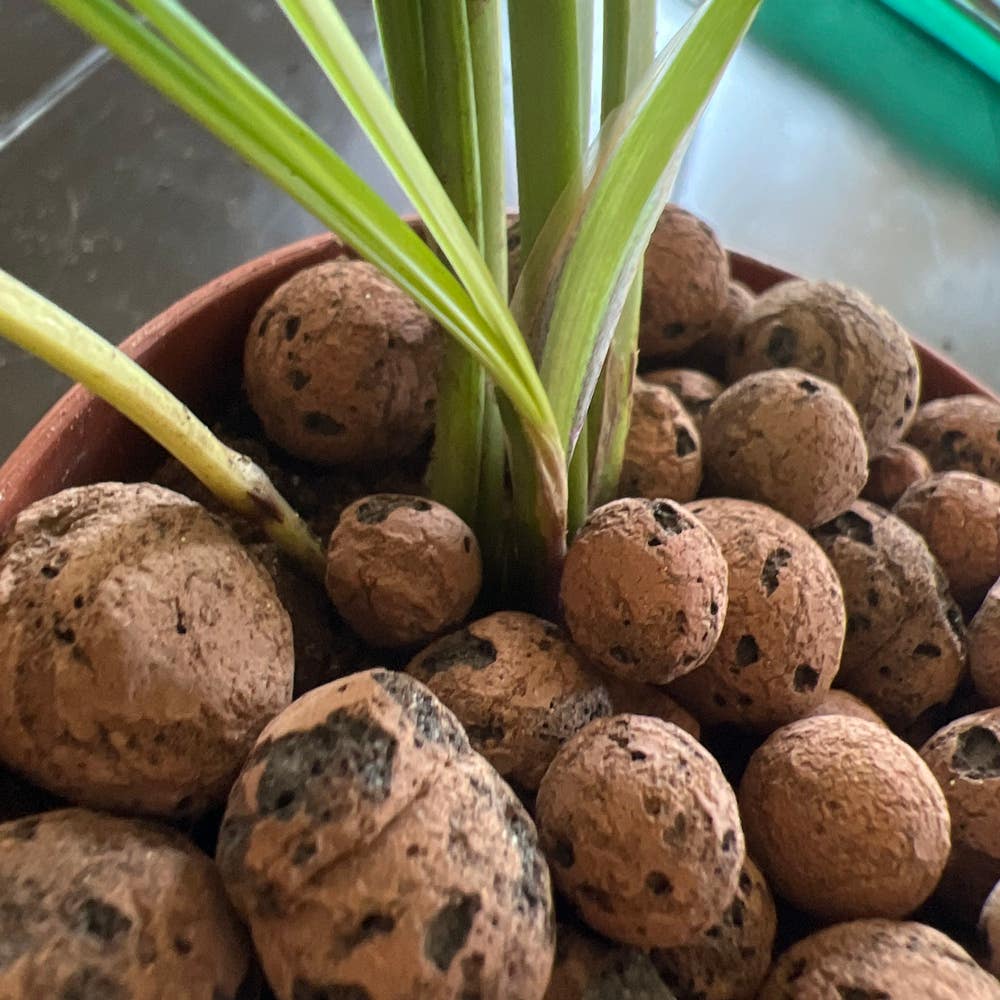
Choosing the right soil mix is essential for healthy Palmarosa. A well-draining potting mix with perlite or sand will keep roots happy and prevent water accumulation.
Don't forget about your pot choice! Always use pots with drainage holes to allow excess water to escape.
Maintaining consistent but moderate moisture levels is key. This balance helps your Palmarosa flourish without the risk of root rot.
🌡️ Environmental Factors Affecting Root Health
Temperature plays a significant role in root health. Aim to keep your Palmarosa in temperatures between 20°C to 30°C (68°F to 86°F) for optimal growth.
Humidity levels should be moderate, ideally between 40-60%. This helps prevent fungal growth that can lead to root rot.
Lastly, provide bright, indirect light. This supports healthy growth and keeps your Palmarosa thriving.
By focusing on these preventive measures, you can create a nurturing environment for your Palmarosa, setting the stage for a healthy, vibrant plant. Next, we'll explore how to treat root rot if it does occur.
Treating Root Rot
Step-by-Step Treatment Process for Affected Plants 🌱
Remove the plant from its pot: Gently lift the plant to avoid damaging the roots further. This initial step is crucial for assessing the extent of the root rot.
Inspect roots: Look for any dark or mushy roots. Use sterilized scissors to cut away these unhealthy parts, ensuring you only leave behind firm, healthy roots.
Clean the pot: Disinfect the pot using a bleach solution. This step is vital to eliminate any lingering pathogens that could harm the plant.
Repot in fresh soil: Choose a well-draining potting mix and a clean pot. This new environment will help your plant recover and thrive.
Recommended Fungicides or Natural Remedies 🍄
Chemical options: Consider using fungicides that contain copper or thiophanate-methyl. These can effectively combat root rot and promote recovery.
Natural remedies: For a gentler approach, apply a solution of cinnamon or neem oil to the affected areas. Both options are known for their antifungal properties.
Frequency of application: Always follow the product instructions for best results. Consistency is key to ensuring your plant gets the care it needs.
Repotting Techniques for Recovery 🌿
Timing: It's best to repot immediately after trimming the roots. This minimizes stress on the plant and helps it adjust more quickly.
Pot size: Opt for a pot that is slightly larger than the previous one. This gives the roots room to grow without retaining excess moisture.
Watering after repotting: Lightly water the plant to settle the soil, then allow it to dry out. This helps establish a healthy moisture balance.
With these steps, you can effectively treat root rot and set your Palmarosa on the path to recovery. Next, let’s explore how to monitor plant health to ensure long-term success.
Monitoring Plant Health
Regular Checks for Root Health 🌱
To keep your Palmarosa thriving, inspect the roots every 4-6 weeks during the growing season. Look out for signs of distress, such as yellowing leaves or wilting, which can indicate underlying issues.
Signs of Recovery After Treatment 🌿
After treatment, watch for new growth, like fresh shoots and vibrant leaf color. Firm, white roots during inspections signal that your plant is bouncing back, while a noticeable scent from the leaves indicates improved health.
Long-Term Care Strategies to Prevent Recurrence 🛠️
Establish a consistent watering routine to prevent overwatering, which is a common pitfall. Regularly refresh the soil to maintain drainage and adjust humidity and temperature as needed for optimal growth.
By staying vigilant and proactive, you can ensure your Palmarosa remains healthy and vibrant, ready to flourish in your care.
⚠️ Safety First
This content is for general information and may contain errors, omissions, or outdated details. It is not medical, veterinary advice, or an endorsement of therapeutic claims.
Always consult a qualified healthcare professional before using any plant as food, medicine, or supplement.
Never eat any plant (or feed one to pets) without confirming its identity with at least two trusted sources.
If you suspect poisoning, call Poison Control (800) 222-1222, the Pet Poison Helpline (800) 213-6680, or your local emergency service immediately.
Spotted an error? Please report it here.
Keep your Palmarosa vibrant and healthy 🌿 by using Greg's tailored watering reminders to prevent root rot and support strong growth!