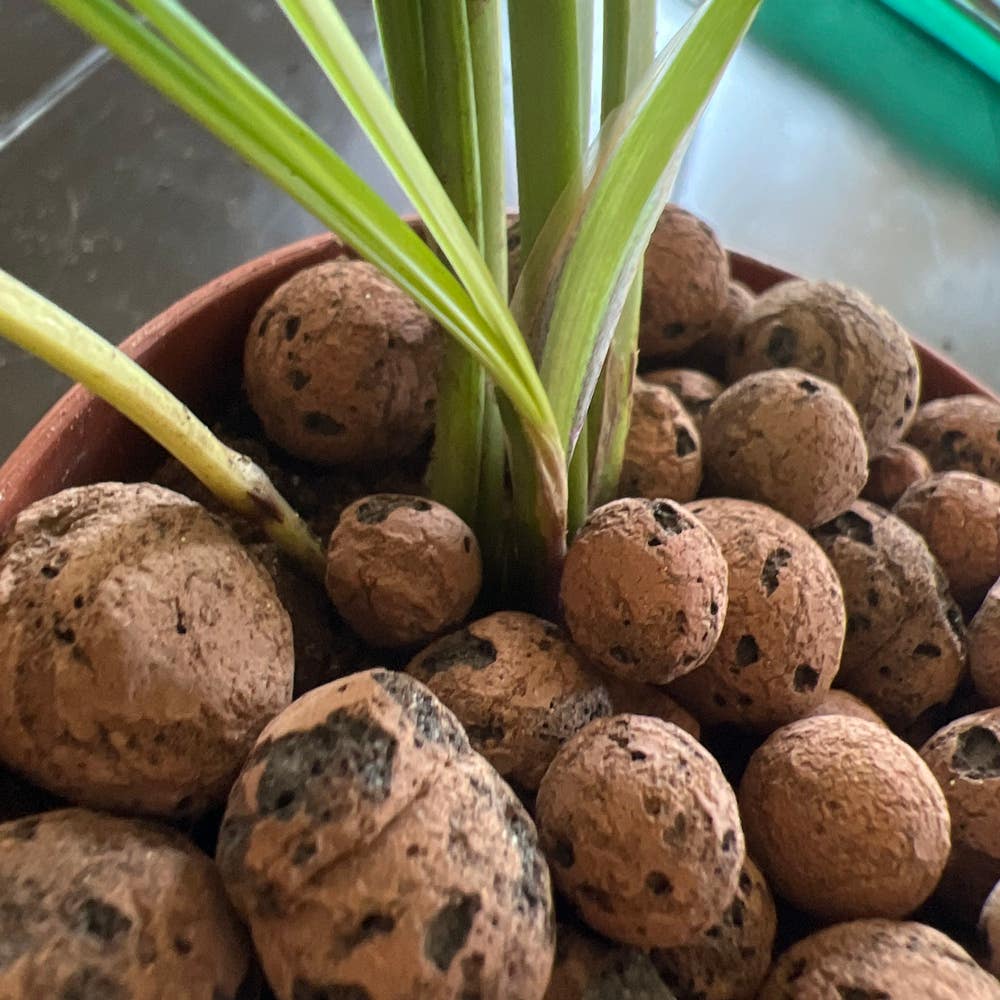
7 Tips for Growing Palmarosa
Cymbopogon martini var. motia
By the Greg Editorial Team
Oct 22, 2024•6 min read
This article was created with the help of AI so we can cover more plants for you. May contain errors. See one? Report it here.
- 🌞 Palmarosa thrives in full sun, needing 6-8 hours daily for optimal growth.
- 🌱 Well-drained sandy loam with pH 6.0-7.0 is ideal for palmarosa cultivation.
- 💧 Water every 1-2 weeks to keep soil consistently moist, avoiding waterlogging.
Site Selection and Soil Preparation
Choosing the Right Location 🌞
To grow palmarosa successfully, start by selecting a spot that receives full sun for at least 6-8 hours daily. This aromatic grass thrives in warm, tropical, and subtropical climates, making it essential to choose a location that aligns with these conditions.
Soil Type and Preparation 🏜️
Next, focus on the soil. Palmarosa prefers well-drained, sandy loam, which allows for optimal root growth and moisture retention. Aim for a soil pH between 6.0 and 7.0, as slightly acidic to neutral conditions promote healthy development.
Amendments for Optimal Growth 🍽️
To enhance soil fertility, incorporate organic matter like compost. This not only nourishes the plants but also improves soil structure. Additionally, consider adding perlite or sand to boost drainage, ensuring that your palmarosa roots remain healthy and free from excess moisture.
With the right location and soil preparation, you're well on your way to cultivating thriving palmarosa. Next, let’s explore effective planting techniques to get your garden started!
Planting Techniques
🌱 Seed vs. Seedling Planting
When starting your palmarosa garden, you can choose between seeds or seedlings. If you opt for seeds, expect a germination time of about 10-14 days, and remember to sow them at a depth of 1/4 inch.
For those who prefer seedlings, transplant them after 4-6 weeks of growth. This method often gives you a head start, ensuring a more robust plant from the get-go.
📏 Spacing and Depth Considerations
Proper spacing is crucial for healthy growth. Aim to plant your palmarosa 12-18 inches apart to allow for optimal air circulation.
When planting, ensure the roots are adequately covered but not buried too deep. This balance helps prevent rot while promoting healthy root development.
⏰ Best Planting Times
Timing your planting can make all the difference. The ideal season for planting palmarosa is spring, right after the last frost.
This timing allows your plants to establish themselves during the warm months, setting them up for a successful growing season ahead.
With these planting techniques in mind, you're well on your way to cultivating thriving palmarosa. Next, let's dive into the essential aspects of watering and fertilizing to keep your plants healthy and vibrant.
Watering and Fertilizing
Watering Frequency and Methods 🌧️
Palmarosa thrives in consistently moist soil, but be cautious not to waterlog it. Aim to water every 1-2 weeks, adjusting based on rainfall and temperature.
Fertilizer Types and Application Schedule 🌱
For optimal growth, use a balanced NPK fertilizer, such as 10-10-10. Apply it every 4-6 weeks during the growing season to keep your plants nourished.
Signs of Overwatering or Underwatering 🚰
Watch for yellowing leaves and root rot, which indicate overwatering. Conversely, wilting and browning leaf tips signal that your palmarosa may be underwatered.
Understanding these watering and fertilizing essentials will set you on the right path to cultivating healthy palmarosa. Next, let’s explore effective pruning and maintenance strategies to keep your plants thriving.
Pruning and Maintenance
When and How to Prune 🌱
Pruning your palmarosa is essential for its health and growth. Aim to prune in late winter or early spring, just before new growth begins.
Cut back the stems to about 6-8 inches above the ground. This encourages fresh growth and helps maintain a manageable size.
Importance of Pruning for Growth and Health 🌿
Pruning isn't just about aesthetics; it plays a crucial role in your plant's vitality. Regular pruning promotes bushier growth and significantly reduces the risk of disease.
By removing dead or overcrowded stems, you allow better air circulation, which is vital for a healthy plant.
Ongoing Care Routine 🧑🌾
Maintaining your palmarosa involves more than just pruning. Regular weeding is essential to minimize competition for nutrients and water.
Additionally, applying organic mulch around the base helps retain moisture and suppress weeds. This simple step can make a big difference in your plant's overall health.
With these maintenance tips, your palmarosa will thrive, setting the stage for the next phase: addressing common challenges and solutions.
Common Challenges and Solutions
🐛 Pests and Diseases Affecting Palmarosa
Palmarosa can face a few pesky pests, with aphids and spider mites being the most common culprits. To keep these nuisances at bay, consider using neem oil or insecticidal soap, both of which are effective and eco-friendly options.
Diseases like root rot and leaf spot can also threaten your plants. Prevention is key here; ensure your palmarosa has proper drainage and good air circulation to minimize these risks.
🌡️ Environmental Stress Factors
Temperature plays a crucial role in the health of your palmarosa. Protect your plants from frost, as they thrive best in a temperature range of 20°C to 30°C (68°F to 86°F).
Humidity is another factor to consider. Palmarosa prefers moderate to high humidity levels, so keep that in mind, especially in drier climates.
🛠️ Troubleshooting Growth Issues
If you notice yellowing leaves, it could indicate nutrient deficiencies or overwatering. Check your watering routine and consider adjusting your fertilizer application.
Stunted growth is another common issue. Assess your soil conditions and ensure your palmarosa is getting adequate sunlight to promote healthy development.
By staying vigilant and addressing these challenges promptly, you can enjoy a thriving palmarosa garden. Next, let’s explore how to grow palmarosa in containers for those with limited space.
Container Growing
Container Selection 🌱
Choosing the right container is crucial for your palmarosa's success. Aim for pots that are at least 12 inches deep to allow for proper root development.
Material Options 🪴
You can opt for clay or plastic pots, but make sure they have drainage holes. This will help prevent water from pooling at the bottom, which can lead to root rot.
Soil and Drainage Considerations 💧
For your palmarosa, a well-draining potting mix is essential. This ensures that the roots get the oxygen they need while preventing excess moisture.
Drainage 🚰
Always check that your pots have adequate drainage. Good drainage is key to keeping your palmarosa healthy and thriving.
Care for Container-Grown Palmarosa 🌼
When growing palmarosa in containers, you’ll need to adjust your watering routine. Expect to water more frequently than you would for plants in the ground.
Fertilizing Tips 🌿
Using slow-release fertilizers can be a game-changer. This approach provides a consistent nutrient supply, helping your palmarosa flourish throughout the growing season.
With the right container and care, your palmarosa can thrive beautifully, even in limited spaces. Next, let’s explore common challenges and solutions to keep your plants healthy and vibrant.
⚠️ Safety First
This content is for general information and may contain errors, omissions, or outdated details. It is not medical, veterinary advice, or an endorsement of therapeutic claims.
Always consult a qualified healthcare professional before using any plant as food, medicine, or supplement.
Never eat any plant (or feed one to pets) without confirming its identity with at least two trusted sources.
If you suspect poisoning, call Poison Control (800) 222-1222, the Pet Poison Helpline (800) 213-6680, or your local emergency service immediately.
Spotted an error? Please report it here.
Cultivating palmarosa is rewarding 🌱 when you follow these tips, and with Greg's personalized care plans and watering reminders, you'll ensure your plant thrives beautifully!