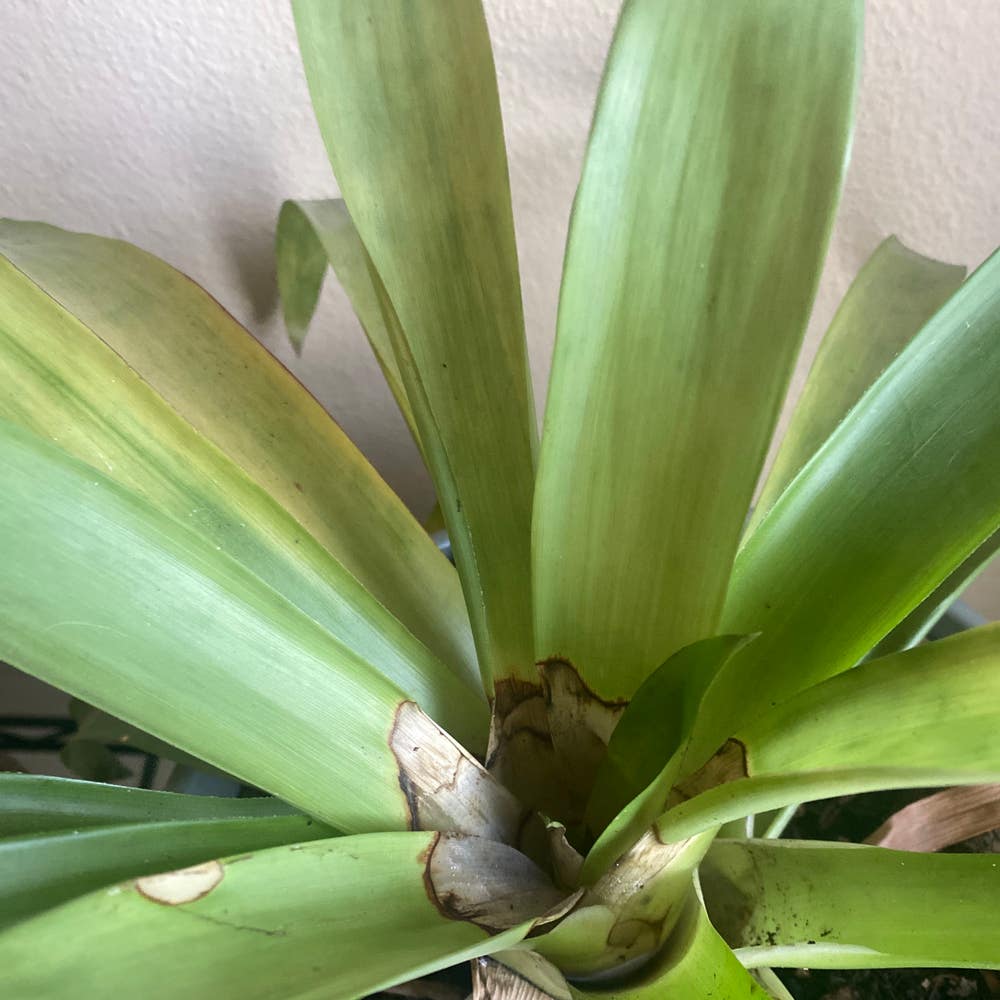
How to Get a Neoregelia 'Groucho' to Bloom
Neoregelia 'Groucho'
By the Greg Editorial Team
Jun 05, 2024•5 min read
This article was created with the help of AI so we can cover more plants for you. May contain errors. See one? Report it here.
Spark a stunning bloom in your Neoregelia 'Groucho' 🌺 with these must-know, bloom-boosting care tips!
- 🌞 Bright, indirect light is crucial for Neoregelia 'Groucho' blooms.
- 💐 Balanced fertilizer with micronutrients enhances flowering.
- ✂️ Prune new growth; maintain routine care for maximum bloom potential.
Kickstarting the Bloom: Environmental Must-Haves
🌞 Light It Up: The Right Amount of Sunshine
Neoregelia 'Groucho' demands bright, indirect light to initiate its blooming phase. Direct sunlight can be too harsh, causing leaf scorch, while insufficient light may result in a lackluster display of flowers. Consider using full-spectrum grow lights to supplement natural light, especially during the darker months. Set them up to mimic the sun's daily journey across the sky, keeping them on for about 12 to 16 hours.
🌡 Feeling the Heat: Temperature Tips
Consistent temperatures are crucial for coaxing Neoregelia 'Groucho' into bloom. Aim for daytime temperatures between 74 to 85°F (23 to 29°C) and slightly cooler at night, around 62 to 67°F (17 to 19°C). Avoid placing your plant near drafts or heat sources that could disrupt its comfort zone. Think of it as maintaining a steady groove for your plant's blooming rhythm.
💦 Humidity Hacks: Keeping It Tropical
Humidity is the silent partner in the blooming dance, often overlooked but vitally important. Target a humidity level of 40%-60% to keep your 'Groucho' happy. Use a pebble tray or a humidifier to manage moisture levels without turning your space into a swamp. Remember, too little humidity and the blooms may bail; too much, and you're hosting a mold fiesta.
Feeding Frenzy: Nutrients for Knockout Blooms
💪 The Balanced Diet: Fertilizer Fundamentals
Choosing the right fertilizer is crucial for coaxing Neoregelia 'Groucho' into bloom. A balanced blend of nitrogen (N), phosphorus (P), and potassium (K) is key. Phosphorus is the star player for flowering, but don't sideline nitrogen and potassium; they're essential for plant health and stamina.
🌱 Understanding Fertilizer Formulas
The N-P-K ratio on your fertilizer package isn't just decorative. For blooming, aim for a mix that's lower in nitrogen and higher in phosphorus and potassium. Overdoing it with a high-nitrogen mix will give you a bushy plant, but shy on the blooms.
🌟 Micro Magic: The Importance of Trace Elements
Micronutrients are the secret sauce for vibrant flowers. They're like the supporting cast that ensures the lead actor—phosphorus—shines. Iron, magnesium, and manganese are just a few of the micronutrients that play vital roles in flower development and plant health.
🌿 Organic vs. Synthetic
Organic fertilizers are like a slow food movement for plants, releasing nutrients at a pace your 'Groucho' can handle. They're packed with micronutrients that synthetic blends might lack. But remember, even organic can be overdone. Stick to the script—follow the recommended dosage to avoid the horror of nutrient burn.
Groom for Bloom: Pruning and Maintenance
✂️ Snip and Shape: Pruning for Flower Power
Pruning is the secret sauce for a Neoregelia 'Groucho' in full bloom. Timing is everything—prune when new growth is visible. Use sharp, sterilized shears for clean cuts just above new growth points. This encourages the plant to branch out and potentially show off new blooms.
Remember, each cut is a deliberate choice. Aim for a balanced shape to maintain not just the plant's aesthetics but its overall health. Over-pruning can stress your plant, so be judicious.
🧼 Clean and Green: Maintenance for Maximum Bloom
Post-pruning, it's time for a nutrient boost. Think of it as a wellness shot for your plant. Regular maintenance, like removing spent blooms and dead foliage, is non-negotiable. It's like clearing the stage for the next act, ensuring the plant's energy is focused on new growth and future blooms.
Keep your tools clean to prevent disease, and always snip off yellow or damaged leaves. This isn't just about keeping up appearances—it's about keeping your 'Groucho' thriving and ready for its next blooming cycle.
Blooming Blockers: Troubleshooting Tips
🚰 Spot the Signs: Recognizing Bloom Inhibitors
Overwatering can drown your Neoregelia 'Groucho' in kindness, leading to root rot and a lack of blooms. On the flip side, underwatering might leave it too thirsty to show off its flowers. Aim for soil that's moist, not soggy.
Pests like aphids and spider mites are the uninvited guests at your plant's blooming party. They can divert energy away from flower production. Regular checks and prompt action are key to keeping these pests away.
🌞 Fix the Fizzle: Getting Back on the Blooming Track
If your 'Groucho' is on a blooming strike, refine your watering habits. Let the top inch of soil dry before the next watering session, and use filtered or rainwater for best results.
Lighting can make or break the blooming process. If your plant's home is dim, consider a grow light to mimic the sun's embrace.
Pruning isn't just about aesthetics; it's strategic. Remove old growth to channel energy into blooming. But remember, too much pruning can be just as bad as not enough.
Patience is a virtue, especially in the plant world. Sometimes, your 'Groucho' needs more time to mature before it can put on a floral show.
If fungal foes like botrytis mold appear, reduce humidity and improve air circulation. For viral diseases, prevention is crucial—keep your gardening tools clean and quarantine new plants.
Lastly, don't be shy to seek advice from fellow plant enthusiasts or gardening groups. They can be a treasure trove of region-specific tips.
⚠️ Safety First
This content is for general information and may contain errors, omissions, or outdated details. It is not medical, veterinary advice, or an endorsement of therapeutic claims.
Always consult a qualified healthcare professional before using any plant as food, medicine, or supplement.
Never eat any plant (or feed one to pets) without confirming its identity with at least two trusted sources.
If you suspect poisoning, call Poison Control (800) 222-1222, the Pet Poison Helpline (800) 213-6680, or your local emergency service immediately.
Spotted an error? Please report it here.
Nurture your Neoregelia 'Groucho' to vibrant blooms 🌺 with Greg's tailored care plan, ensuring it thrives in your unique home environment.