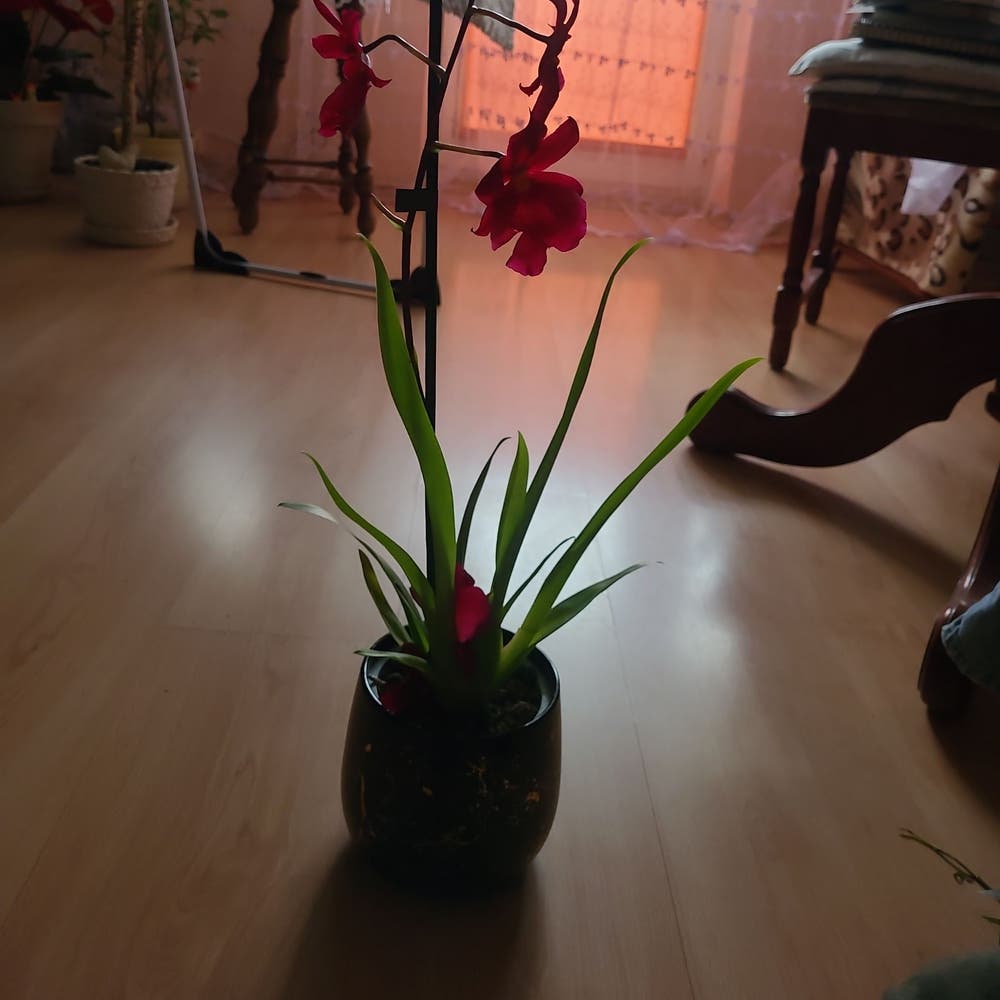
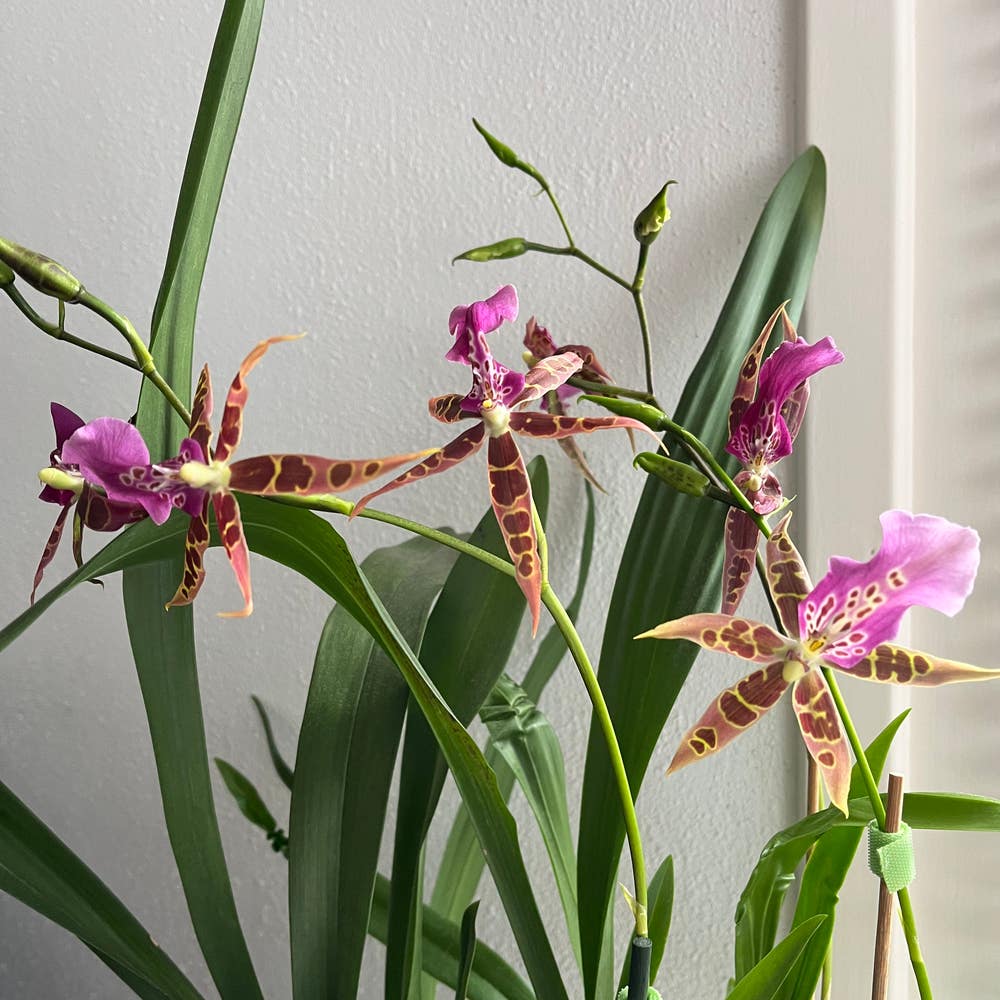
🌸 Ultimate Guide to Murray's Zygopetalum
Zygopetalum mackayi
By the Greg Editorial Team
Feb 18, 2025•12 min read
This article was created with the help of AI so we can cover more plants for you. May contain errors. See one? Report it here.
Unlock the secrets to thriving Murray's Zygopetalum orchids 🌸 and elevate your space with their stunning beauty!
- 🌞 Bright, indirect light is crucial to prevent leaf scorch in Murray's Zygopetalum.
- 💧 Maintain humidity between 50-70% for optimal growth; use misting or trays.
- 🌱 Well-draining orchid mix and pots with drainage holes are essential for healthy roots.
How to Grow
Choosing the Right Location 🌞
To thrive, Murray's Zygopetalum needs bright, indirect light. Direct sunlight can scorch its delicate leaves, so find a spot that offers plenty of brightness without the harsh rays.
Humidity is crucial for these orchids, ideally between 50-70%. Consider using a humidity tray or misting the plant regularly to maintain this level.
Temperature also plays a key role in growth. Aim for a comfortable range of 18°C to 24°C (65°F to 75°F) to keep your plant happy and healthy.
Soil Preparation 🌱
When it comes to soil, a well-draining orchid mix is essential. Look for a blend that includes bark and perlite to ensure proper aeration for the roots.
Aeration is vital for root health, allowing them to breathe and absorb moisture effectively. A good mix prevents water retention, which can lead to root rot.
Planting Techniques 🌿
For container planting, always choose pots with drainage holes. This prevents water from pooling at the bottom, which can suffocate the roots.
If you're considering outdoor planting, ensure it's in a warm, humid climate. Protect your Zygopetalum from harsh weather conditions to promote healthy growth.
Watering Requirements 💧
Water your Zygopetalum when the top inch of soil feels dry. Typically, this means watering every 1-2 weeks, depending on your environment.
When watering, do so thoroughly until it drains out of the bottom. Avoid waterlogging, as this can lead to root problems.
Fertilizing Schedule 🌼
Use a balanced orchid fertilizer, such as a 30-10-10 mix, diluted to half strength. This provides the necessary nutrients without overwhelming the plant.
Fertilize every 2-4 weeks during the growing season, which is spring and summer. This will support healthy growth and vibrant blooms.
Pruning and Ongoing Care ✂️
Regular pruning is essential for maintaining your plant's health. Remove any dead or yellowing leaves to promote airflow and prevent disease.
Repotting is recommended every 1-2 years or when your plant outgrows its pot. This ensures it has enough space to grow and thrive.
With these tips, you're well on your way to successfully growing Murray's Zygopetalum. Next, let's explore how to propagate this beautiful orchid for even more blooms!
Propagation
🌱 Division Method
Propagation through division is a rewarding way to expand your Zygopetalum collection.
- Timing: The best time to divide your plant is in spring, right after it has finished flowering.
- Tools: Make sure to use sterilized scissors or a knife to prevent any infections.
- Process: Carefully separate the plant into sections, ensuring that each division has roots and pseudobulbs for successful growth.
🌿 Backbulb Propagation
Another effective method is backbulb propagation, which can yield new plants from older growth.
- Selecting Backbulbs: Choose healthy, mature backbulbs that show signs of vitality.
- Planting: Place these backbulbs in a well-draining medium, watering them lightly to avoid over-saturation.
- Care: Maintain high humidity and warmth around the backbulbs until you see new growth emerging.
Both propagation methods can be a fun and engaging way to nurture your Zygopetalum and share its beauty with others. As you explore these techniques, you'll gain a deeper appreciation for the plant's resilience and adaptability.
Next, let’s dive into the lifecycle of the Zygopetalum, where we’ll explore its growth stages and what to expect as your plant matures.
Lifecycle
Zygopetalum orchids have a fascinating lifecycle that unfolds over several years. Typically, they take about 2-3 years to reach maturity from seed or cutting, making patience a key virtue for growers.
🌱 Germination and Seedling Stage
Under optimal conditions, germination occurs within 2-4 weeks. Once germinated, the seedlings will spend approximately 6-12 months in the seedling stage before transitioning to vegetative growth.
🌸 Flowering Timeline
Flowering usually happens 1-2 years after planting, depending on the care and conditions provided. This period of anticipation is rewarding when you finally see those stunning blooms.
⏳ Lifespan and Growth Rate
With proper care, Zygopetalum can live for several years. Their growth rate is moderate, averaging about 6-12 inches per year under ideal conditions, allowing for steady development and vibrant displays.
Understanding this lifecycle helps you appreciate the journey of your Zygopetalum. As you nurture it through each stage, you’ll witness the beauty of growth and the joy of blooming.
Next, let’s explore how to choose the right location for your Zygopetalum to thrive.
Size
Mature Height and Spread 🌱
Murray's Zygopetalum typically reaches a mature height of 12-18 inches (30-45 cm). Its spread can vary from 12-24 inches (30-60 cm), largely depending on the growing conditions.
Growth Rate and Factors Affecting Size 📈
The growth rate of Zygopetalum is influenced by several factors, including light, humidity, and nutrient availability. Size variability can also occur based on pot size, the growing medium used, and the overall environmental conditions.
Understanding these elements can help you optimize your plant's growth and ensure it thrives in your care. By providing the right conditions, you can enjoy a lush, vibrant Zygopetalum that adds beauty to your space.
As we explore further, let’s dive into the fascinating world of roots and their significance in the health of your Zygopetalum.
Roots
🌱 Description of Root System
Murray's Zygopetalum features a fibrous and shallow root system, perfectly adapted for its epiphytic lifestyle. This unique structure allows the plant to cling to surfaces while efficiently absorbing moisture and nutrients.
📏 Root Depth and Spread Characteristics
The roots generally spread outwards rather than growing deep. This shallow depth is crucial for capturing water and nutrients from the surrounding environment.
⚠️ Common Root-Related Issues
Root rot is a common issue, often caused by overwatering. Symptoms include mushy roots and yellowing leaves, signaling that the plant is in distress.
Another concern is becoming rootbound, which occurs when the roots outgrow their pot. Signs of this problem include stunted growth and roots emerging from drainage holes.
👀 Visual Cues for Healthy vs. Unhealthy Roots
Healthy roots are firm and exhibit a white or light tan color. In contrast, unhealthy roots appear dark, mushy, or shriveled, indicating a need for immediate attention.
Understanding the root system of your Zygopetalum is vital for its overall health. By monitoring these cues, you can ensure your plant thrives and flourishes.
Next, let's explore the benefits of growing Murray's Zygopetalum and how it can enhance your space.
Benefits
Aesthetic Appeal 🌺
Murray's Zygopetalum is a showstopper in any space. Its unique and fragrant flowers not only catch the eye but also elevate the ambiance of both indoor and outdoor settings.
Air Purification 🌬️
Beyond beauty, these orchids contribute to improved indoor air quality. They help filter out toxins, making your home a healthier environment.
Pollinator Attraction 🐝
The vibrant blooms of Zygopetalum are a magnet for bees and other beneficial insects. This not only supports local ecosystems but also enhances the biodiversity of your garden.
Cultural Significance 🌍
In various cultures, Zygopetalum symbolizes beauty and resilience. Incorporating these orchids into your space can add a layer of meaning and connection to nature.
Educational Value 📚
Growing Zygopetalum offers a fantastic opportunity to learn about orchid care and propagation. Whether you're a novice or an experienced gardener, these plants provide valuable insights into the fascinating world of horticulture.
With all these benefits, it's clear that Murray's Zygopetalum is more than just a pretty flower; it's a multifaceted addition to your home or garden. Next, let’s explore the best companion plants to enhance your Zygopetalum experience.
Companion Plants
Companion planting can significantly enhance the growth and health of your Murray's Zygopetalum. By choosing the right plants, you can create a thriving ecosystem that benefits all your greenery.
🌱 Benefits of Companion Planting
- Garden Diversity: Mixing different plants adds visual interest and can create a more vibrant garden.
- Pest Management: Certain plants can deter pests, reducing the need for chemical treatments.
- Symbiotic Relationships: Some plants can improve nutrient uptake or provide shade, benefiting your Zygopetalum.
🌼 Suitable Companions
When selecting companion plants, look for those that thrive in similar conditions. Consider:
- Other Orchids: They share similar humidity and light preferences.
- Ferns: These lush plants can help maintain moisture levels in the soil.
- Tropical Plants: Varieties that enjoy high humidity will complement your Zygopetalum beautifully.
🚫 Plants to Avoid
It's equally important to know which plants to steer clear of. Avoid planting near:
- Drier Condition Plants: These can compete for moisture and nutrients, stressing your Zygopetalum.
- Aggressive Growers: Plants that spread quickly may overshadow your orchids and hinder their growth.
By carefully selecting companion plants, you can create a harmonious environment that supports the health and beauty of your Murray's Zygopetalum. This thoughtful approach not only enhances your garden's aesthetic but also fosters a more resilient plant community.
Next, let's explore the fascinating topic of toxicity and safety regarding Murray's Zygopetalum for both humans and pets.
Toxicity to Humans
Murray's Zygopetalum is not considered toxic by major poison control centers and health organizations. This makes it a safe choice for households, but it's always wise to handle any plant with care.
While the plant is generally safe, ingestion in large quantities may lead to mild skin irritation or digestive discomfort. Always exercise caution and seek medical advice if you experience unusual symptoms after contact or ingestion.
In summary, enjoy your Zygopetalum without worry, but remember to treat all plants with respect. This approach not only ensures your safety but also fosters a deeper appreciation for the beauty of nature.
Next, let’s explore how this stunning orchid interacts with our furry friends, particularly dogs.
Toxicity to Dogs
Murray's Zygopetalum is not considered toxic to dogs according to major pet poison control centers and veterinary organizations. This means you can enjoy the beauty of these orchids without worrying about your furry friends getting sick.
However, it's important to note that excessive consumption of any plant can lead to mild gastrointestinal upset in dogs. To keep your pet safe, ensure proper placement of the plant and monitor their behavior around it.
If you notice your dog showing unusual interest in the plant, it might be a good idea to redirect their attention elsewhere. Keeping an eye on your dog's interactions with new plants can help prevent any potential mishaps.
In summary, while Murray's Zygopetalum is generally safe for dogs, a little caution goes a long way in ensuring a harmonious home for both your plants and pets.
Toxicity to Cats
Murray's Zygopetalum is not listed as toxic to cats by major pet poison control centers and veterinary organizations. This means you can enjoy the beauty of these orchids without worrying about your feline friends.
However, it's important to note that excessive consumption of any plant can lead to mild gastrointestinal upset in cats. To keep your pets safe, consider placing your Zygopetalum out of reach or in areas where your cat doesn't typically venture.
🐱 Monitoring Cat Behavior
Keep an eye on your cat's behavior around new plants. If you notice any unusual interest or nibbling, it may be time to reassess the plant's location.
Creating a safe environment for both your plants and pets can enhance your home’s atmosphere. With proper placement and a little vigilance, you can enjoy the vibrant beauty of your Zygopetalum while ensuring your cat stays healthy and happy.
Next, let’s explore the potential problems that can arise when caring for your Zygopetalum.
Problems
🚰 Incorrect Watering
Watering is crucial for your Zygopetalum's health. Overwatering often leads to yellowing leaves, while underwatering results in dry, shriveled foliage.
💡 Incorrect Light Conditions
Light plays a significant role in growth. If your plant exhibits leggy growth or leaf scorch, it may not be receiving the right amount of light.
🌡️ Incorrect Temperature
Temperature fluctuations can stress your Zygopetalum. Symptoms include wilting or stunted growth, indicating that the environment may be too hot or too cold.
🦠 Diseases
Fungal diseases can pose a serious threat. Look out for issues like powdery mildew and root rot, which can quickly compromise your plant's health.
🍃 Leaf Issues
Leaf problems can signal environmental stress. Scorching, yellowing, or fuzzy growth often indicates that your plant is struggling with its surroundings.
Understanding these common problems can help you take proactive steps to ensure your Zygopetalum thrives. By addressing these issues early, you can enjoy a healthy, vibrant plant for years to come.
Next, let's explore the pests that might disrupt your plant's growth.
Bugs
While Murray's Zygopetalum is known for its moderate pest resistance, it can still fall victim to a few pesky intruders. Keeping an eye out for spider mites and mealybugs is essential for maintaining the health of your plant.
🕷️ Spider Mites
Spider mites are tiny but can cause significant damage. Look for fine webbing and stippled leaves as telltale signs of their presence.
🐛 Mealybugs
Mealybugs are another common pest, identifiable by their cotton-like masses on leaves and stems. These little critters can sap your plant's vitality if left unchecked.
🧴 Treatment Options
Fortunately, there are effective treatment options available. Neem oil and insecticidal soap can help eliminate these pests without harming your plant.
💧 Humidity Matters
Maintaining proper humidity levels is also crucial. A humid environment can deter pests and promote a healthier plant overall.
By staying vigilant and addressing pest issues promptly, you can ensure your Zygopetalum thrives. Now, let’s explore how to prevent these bugs from becoming a recurring problem.
What Eats
🦌 Common Animal Visitors
Murray's Zygopetalum can attract a variety of animals, including deer, rabbits, squirrels, and rodents. These creatures may find the plant's foliage appealing, leading to potential damage.
👀 Signs of Animal Presence
Keep an eye out for signs that animals are munching on your Zygopetalum. Chewed leaves, broken stems, and droppings near the plant are clear indicators that your garden has unwelcome visitors.
🚫 Deterrent Methods
To protect your plant, consider implementing several deterrent strategies.
- Chemical Repellents: Use commercially available sprays designed to keep animals at bay.
- Physical Barriers: Fencing or netting can effectively shield your plants from hungry critters.
- Companion Planting: Surround your Zygopetalum with plants that deter pests or attract beneficial insects.
By taking these steps, you can enjoy the beauty of your Zygopetalum without the worry of it becoming a snack for local wildlife.
Next, let's explore the potential toxicity of Murray's Zygopetalum to pets and humans.
⚠️ Safety First
This content is for general information and may contain errors, omissions, or outdated details. It is not medical, veterinary advice, or an endorsement of therapeutic claims.
Always consult a qualified healthcare professional before using any plant as food, medicine, or supplement.
Never eat any plant (or feed one to pets) without confirming its identity with at least two trusted sources.
If you suspect poisoning, call Poison Control (800) 222-1222, the Pet Poison Helpline (800) 213-6680, or your local emergency service immediately.
Spotted an error? Please report it here.
Unlock the beauty of Murray's Zygopetalum 🌸 by using Greg's tailored watering reminders and expert care tips to ensure your orchid thrives in its perfect environment!