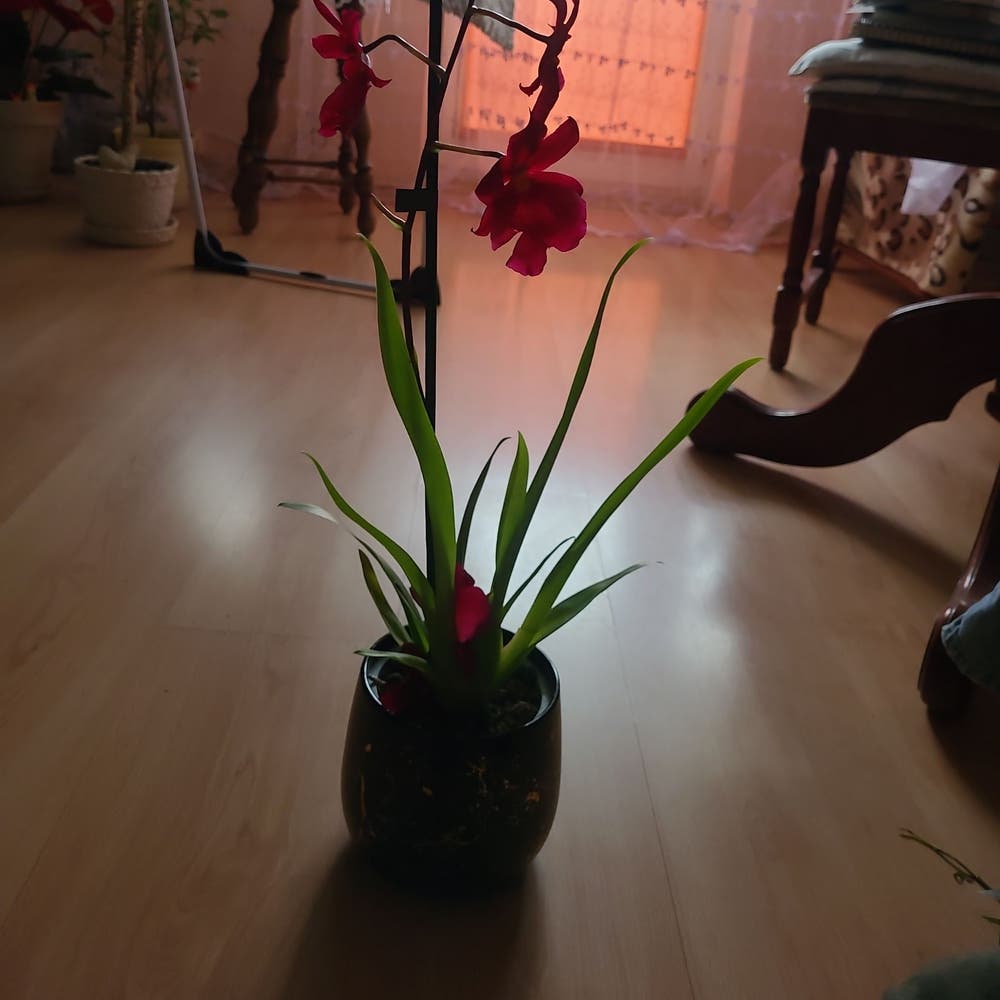
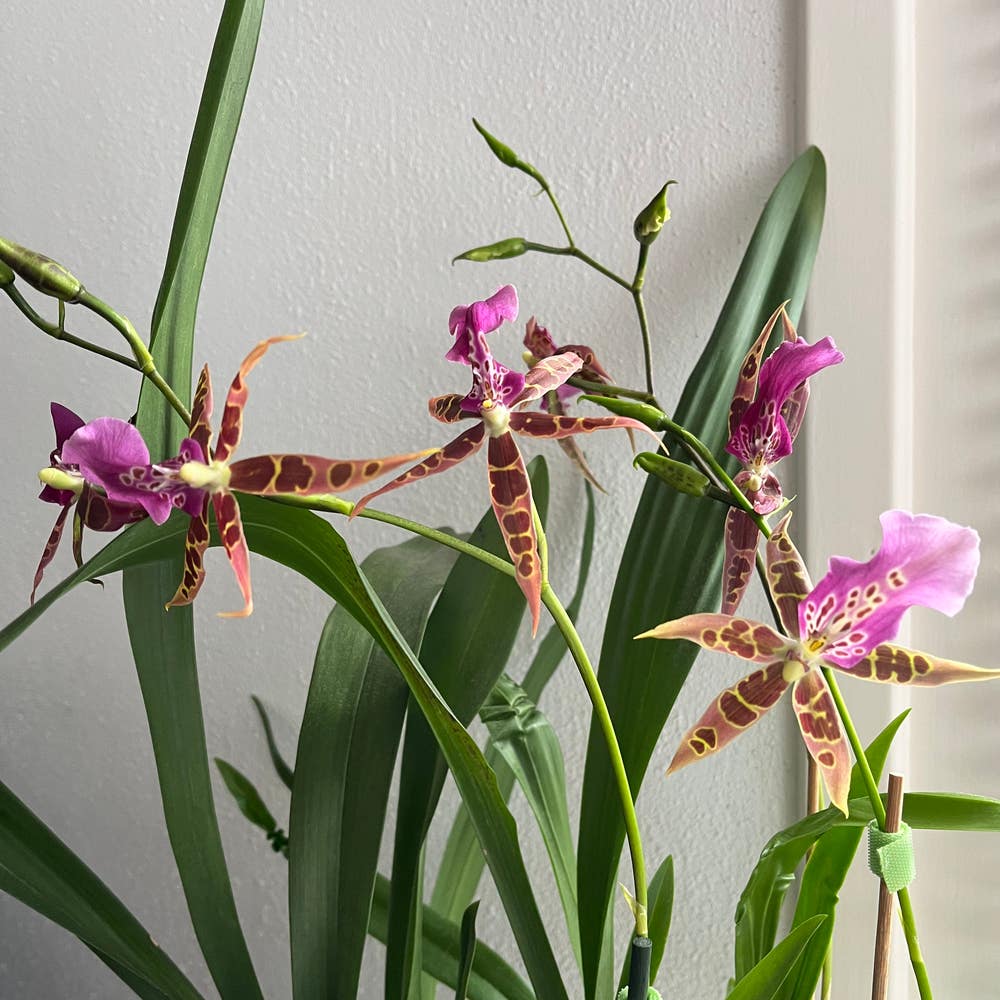
🌸 Understanding Mackay's Zygopetalum: The Basics
Zygopetalum mackayi
By the Greg Editorial Team
Feb 18, 2025•11 min read
This article was created with the help of AI so we can cover more plants for you. May contain errors. See one? Report it here.
Unlock the beauty of Mackay's Zygopetalum orchids 🌸 with expert care tips for thriving blooms in your home!
- 🌞 Mackay's Zygopetalum thrives in bright, indirect sunlight to prevent leaf scorch.
- 💧 Water when the top inch is dry; use distilled or rainwater for best results.
- 🌱 Repot every 1-2 years to refresh soil and promote healthy growth.
How to Grow
Choosing a Location 🌞
To thrive, Mackay's Zygopetalum needs bright, indirect sunlight. Direct sun exposure can scorch its delicate leaves, so find a spot that offers filtered light.
Temperature is also crucial; aim for a range between 18°C to 30°C (65°F to 86°F) for optimal growth. Additionally, maintain humidity levels between 50-70% to keep your plant happy and healthy.
Soil Preparation 🌱
For soil, a well-draining orchid mix or a bark-based medium is ideal. This ensures that excess water can escape, preventing root rot.
The pH level should be slightly acidic to neutral, ideally between 5.5 to 7.0. This balance supports healthy root development and nutrient absorption.
Planting Techniques 🌿
When selecting a container, choose pots with drainage holes to prevent waterlogging. This is essential for the health of your Zygopetalum’s roots.
Position the rhizome just above the soil surface when planting. This helps prevent rot while allowing the plant to establish itself effectively.
Watering Requirements 🚰
Water your Zygopetalum when the top inch of the medium feels dry. This simple practice helps avoid overwatering, which can lead to root issues.
Using distilled or rainwater is best to prevent mineral buildup. Your plant will appreciate the clean water, leading to better growth.
Fertilizing Schedule 🍽️
Opt for a balanced orchid fertilizer, such as a 30-10-10 mix, diluted to half strength. This provides the necessary nutrients without overwhelming the plant.
Fertilize every 2-4 weeks during the growing season, which typically spans spring and summer. This regular feeding supports robust growth and flowering.
Pruning Methods ✂️
Prune your Zygopetalum after flowering to encourage new growth. This timing helps the plant redirect energy into producing fresh leaves and blooms.
Focus on removing dead or yellowing leaves and spent flower spikes. This keeps the plant looking tidy and promotes overall health.
Ongoing Care Tips 🔧
Regularly monitor humidity and temperature to ensure optimal conditions. Small adjustments can make a big difference in your plant's well-being.
Repot every 1-2 years to refresh the growing medium. This practice helps prevent nutrient depletion and supports continued growth.
With these guidelines, you'll be well on your way to cultivating a thriving Mackay's Zygopetalum. Next, let’s explore how to propagate this beautiful orchid!
Propagation
🌱 Seed Propagation
To propagate Mackay's Zygopetalum from seeds, start with a sterile agar medium. This method yields the best results, but be patient; germination can take anywhere from 6 to 12 months.
✂️ Division Propagation
Division is another effective propagation method, ideally performed during the growing season. Carefully separate the rhizomes, ensuring each division has roots and growth points for successful establishment.
With these techniques, you can expand your collection or share the beauty of Mackay's Zygopetalum with fellow plant enthusiasts. Next, let's explore the lifecycle of this captivating orchid.
Lifecycle
Lifecycle Overview 🌱
Mackay's Zygopetalum is typically considered a perennial plant, thriving year after year with the right care.
Seeds germinate in about 6-12 months under optimal conditions, setting the stage for a vibrant growth journey.
Growth Period 🌿
After germination, expect a growth period of 1-2 years for the plant to reach maturity. During this time, it will develop its unique foliage and prepare for its stunning blooms.
Flowering Phase 🌸
The flowering phase usually occurs in late winter to early spring, showcasing the plant's beautiful and exotic flowers. This is the moment many growers eagerly anticipate, as the blooms can be a true highlight of any garden.
Lifespan ⏳
With proper care, Mackay's Zygopetalum can live for several years, rewarding you with its beauty and charm. Regular attention to its needs will ensure it remains a vibrant part of your plant collection for a long time.
As you nurture your Zygopetalum, you'll find that understanding its lifecycle enhances your gardening experience. Next, let’s explore the size of this remarkable plant and how it can fit into your space.
Size
Mature Dimensions 🌱
Mackay's Zygopetalum typically reaches an average height of 30-60 cm (12-24 inches) and spreads about 30-45 cm (12-18 inches). This compact size makes it an excellent choice for both indoor and outdoor gardens.
Growth Rate and Size Variability 📈
The growth rate of Mackay's Zygopetalum is moderate, largely influenced by environmental conditions such as light, humidity, and temperature. Size variability can occur based on the care provided, so optimal conditions can lead to more robust growth and larger plants.
Understanding these dimensions and growth patterns can help you plan your garden layout effectively. With the right care, you can enjoy a flourishing display of these stunning orchids.
Roots
Root System Characteristics 🌱
Mackay's Zygopetalum features a fibrous root system, perfectly suited for its epiphytic lifestyle. These roots typically extend 15-30 cm (6-12 inches) into the growing medium, allowing them to absorb moisture and nutrients efficiently.
Common Root-Related Issues ⚠️
One of the most common problems is root rot, which occurs due to overwatering. To prevent this, ensure your pot has proper drainage.
If you notice squishy roots, it's a sign of poor health that needs immediate attention. Healthy roots should be firm and either white or green; unhealthy ones will appear brown, mushy, or shriveled.
Another issue to watch for is rootbound plants. If you see roots growing out of drainage holes or circling the pot, it's time to repot into a larger container. This simple step can rejuvenate your plant and promote better growth.
By keeping an eye on these root characteristics and issues, you can ensure your Mackay's Zygopetalum thrives beautifully. Next, let’s explore the benefits of growing this stunning orchid!
Benefits
Top 5 Benefits 🌟
Mackay's Zygopetalum offers a range of benefits that make it a fantastic addition to any garden or home.
1. Unique and Attractive Flowers
The striking blooms of Mackay's Zygopetalum are not just visually stunning; they can elevate the aesthetics of any garden. Their vibrant colors and intricate patterns draw the eye and spark conversation.
2. Air-Purifying Qualities
These orchids contribute to improved indoor air quality. By filtering toxins and releasing oxygen, they create a healthier living environment.
3. Cultural Significance
Mackay's Zygopetalum holds a special place in orchid collections and exhibitions. Their unique characteristics make them a prized possession for enthusiasts and collectors alike.
4. Potential Medicinal Properties
In traditional practices, some believe these orchids may possess medicinal qualities. While more research is needed, their historical use adds an intriguing layer to their appeal.
5. Engaging Hobby
Caring for Mackay's Zygopetalum can be a fulfilling hobby. It encourages mindfulness and relaxation, allowing you to connect with nature while nurturing a beautiful plant.
These benefits make Mackay's Zygopetalum not just a plant, but a source of joy and enrichment in your life. Whether you're drawn to its beauty or its air-purifying properties, this orchid is sure to enhance your space.
As we explore further, let's look at the best companion plants that thrive alongside Mackay's Zygopetalum.
Companion Plants
Best Companion Plants 🌱
When growing Mackay's Zygopetalum, consider pairing it with other orchids, ferns, and shade-loving plants. These companions thrive under similar care conditions, particularly in terms of humidity and light requirements.
- Orchids: They share similar watering and light needs, making them ideal partners.
- Ferns: Their lush foliage complements the Zygopetalum while enjoying the same humidity levels.
- Shade-loving plants: These can help create a harmonious environment that benefits all plants involved.
Plants to Avoid 🚫
While selecting companions, steer clear of heavy feeders or plants that demand full sun exposure. These plants can compete for nutrients and moisture, potentially stressing your Zygopetalum.
- Heavy feeders: They may deplete the soil of essential nutrients needed for your orchid's growth.
- Full sun plants: They thrive in bright light, which can lead to inadequate conditions for your Zygopetalum.
By choosing the right companions, you can create a thriving ecosystem that enhances the beauty and health of your Mackay's Zygopetalum. Next, let’s explore the potential pest issues that could affect your plant.
Toxicity to Humans
Mackay's Zygopetalum is not considered toxic by major poison control centers. This means you can enjoy its beauty without worrying too much about harmful effects.
However, it's important to note that mild skin irritation or digestive discomfort may occur if ingested in large quantities. Always exercise caution with any plant, and if you experience unusual symptoms, seek medical advice promptly.
In summary, while Mackay's Zygopetalum is generally safe, it's wise to handle it with care. This approach ensures a positive experience with your plant while keeping your health in check.
As we move forward, let’s explore how this stunning orchid interacts with our furry friends.
Toxicity to Dogs
Mackay's Zygopetalum is not considered toxic by major pet poison control centers. This means your furry friends can safely coexist with this beautiful orchid.
However, if a dog consumes a large quantity of the plant, mild gastrointestinal upset may occur. It's always wise to monitor your dog's behavior around the plant to ensure they don't indulge too much.
🐶 Proper Placement
To keep your dog safe, place the Mackay's Zygopetalum out of reach. This simple precaution can help prevent any accidental munching.
By being mindful of your dog's habits, you can enjoy the beauty of this orchid without worry. Remember, a little vigilance goes a long way in creating a harmonious home for both plants and pets.
Toxicity to Cats
Mackay's Zygopetalum is not considered toxic by major pet poison control centers. This means your feline friends can safely coexist with this beautiful orchid.
However, if a cat consumes a large quantity of the plant, it may experience mild gastrointestinal upset.
🐾 Proper Placement
To ensure your cat's safety, keep the plant out of reach. Regularly monitor your cat's behavior around the plant to prevent any unwanted nibbling.
In summary, while Mackay's Zygopetalum poses minimal risk to cats, it's always wise to practice caution. This way, you can enjoy your stunning orchid without worrying about your furry companions.
Next, let’s explore the common problems that can arise when caring for Mackay's Zygopetalum.
Problems
Common Problems 🌱
Growing Mackay's Zygopetalum can be rewarding, but it's essential to be aware of potential issues that may arise.
Incorrect Watering
One of the most common problems is incorrect watering. Signs of this issue include wilting or yellowing leaves, which indicate that your plant may be either overwatered or underwatered.
Incorrect Light Conditions
Light conditions also play a crucial role in the health of your Zygopetalum. If the plant experiences leaf scorch or exhibits leggy growth, it may not be receiving the right amount of light.
Diseases
Fungal diseases can pose a significant threat. Watch out for powdery mildew and root rot, which can quickly compromise your plant's health if not addressed promptly.
Leaf Issues
Leaf problems can manifest in various ways. Scorching or fuzzy growth may indicate the presence of pests or disease, signaling that it's time to investigate further.
By staying vigilant and addressing these common problems, you can ensure your Mackay's Zygopetalum thrives. Next, let’s explore the potential pest issues that could affect your plant.
Bugs
🐜 Potential Pest Issues
While Mackay's Zygopetalum is generally pest-resistant, it can still fall victim to a few specific pests. Keeping an eye out for these nuisances can save your plant from unnecessary stress.
🕷️ Spider Mites
Spider mites are tiny pests that can wreak havoc on your plant. Look for fine webbing and stippled leaves as telltale signs of their presence.
🐞 Scale Insects
Scale insects can be sneaky, often appearing as small, sticky residues on leaves. If you notice yellowing leaves, it might be time to investigate further.
🧼 Mealybugs
Mealybugs are another common issue, identifiable by their cotton-like masses on stems and leaves. These pests can weaken your plant, so addressing them promptly is essential.
🚫 Prevention and Treatment
To keep your Mackay's Zygopetalum thriving, regularly inspect your plant for any signs of pests. If you spot any, consider using insecticidal soap or neem oil to treat the infestation effectively.
By staying vigilant and proactive, you can ensure your Zygopetalum remains healthy and vibrant. Next, let’s explore what animals might be attracted to this beautiful plant and how to deter them.
What Eats Mackay's Zygopetalum
🦌 Common Animals
Mackay's Zygopetalum can attract a variety of animals, including deer, rabbits, squirrels, and rodents. These creatures may find the plant's leaves appealing, leading to potential damage.
👀 Signs of Animal Presence
Keep an eye out for signs that animals are visiting your plant. Chewed leaves, droppings, and tracks around the base are all indicators that your Zygopetalum might be a snack for local wildlife.
🚫 Deterrent Methods
To protect your plant, consider implementing some deterrent methods. Physical barriers, such as fencing, can keep larger animals at bay, while repellents can discourage smaller pests. Companion planting with less appealing species can also help create a natural defense.
By being proactive, you can enjoy the beauty of your Mackay's Zygopetalum without the worry of it becoming a meal for hungry critters. Next, let’s explore the common problems that can affect this stunning orchid.
⚠️ Safety First
This content is for general information and may contain errors, omissions, or outdated details. It is not medical, veterinary advice, or an endorsement of therapeutic claims.
Always consult a qualified healthcare professional before using any plant as food, medicine, or supplement.
Never eat any plant (or feed one to pets) without confirming its identity with at least two trusted sources.
If you suspect poisoning, call Poison Control (800) 222-1222, the Pet Poison Helpline (800) 213-6680, or your local emergency service immediately.
Spotted an error? Please report it here.
Unlock the secrets to a thriving Mackay's Zygopetalum 🌸 with Greg's custom care tips and watering reminders that will keep your orchid blooming beautifully!