📚 Ultimate Guide to Lysudamuloa
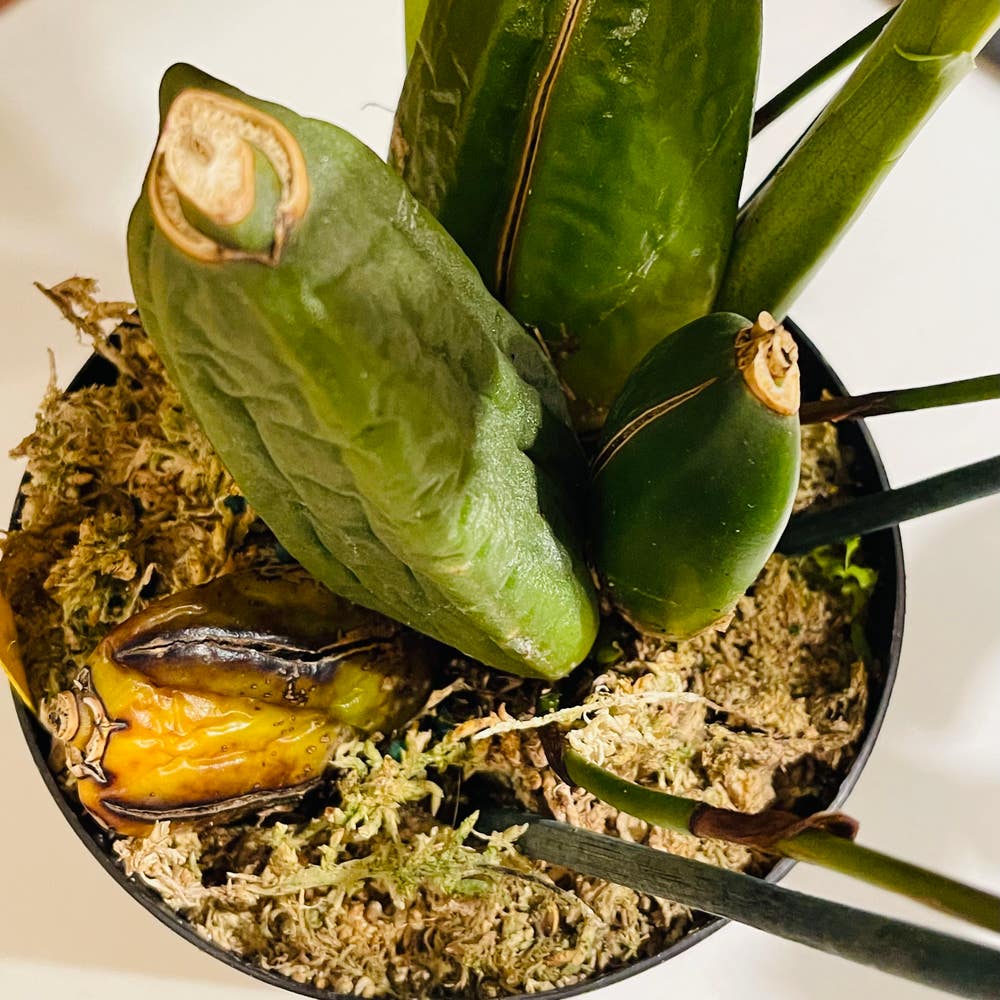
Lysudamuloa Red Jewel 'Hilo Girl'
By the Greg Editorial Team
Jan 24, 2025•11 min read
This article was created with the help of AI so we can cover more plants for you. May contain errors. See one? Report it here.
- 🌞 Lysudamuloa thrives in partial shade to full sun; choose its location wisely.
- 🌱 Moist, well-drained soil enriched with organic matter is essential for growth.
- 💧 Regular watering is crucial; avoid waterlogging to prevent root rot.
How to Grow
Choosing a Location 🌍
Selecting the right location is crucial for the health of your Lysudamuloa. Aim for an area that receives partial shade to full sun, as this plant thrives best under these light conditions.
Humidity and temperature also play significant roles in its growth. Lysudamuloa flourishes in tropical and subtropical climates, so ensure your environment mimics these conditions for optimal results.
Soil Preparation 🏞️
The foundation of any plant's health starts with the soil. Lysudamuloa prefers moist, well-drained soils that allow for proper aeration and root development.
To enhance soil fertility, consider adding organic matter. This not only improves nutrient content but also boosts moisture retention, creating a perfect environment for growth.
Planting Techniques 🌱
When it comes to planting, depth matters. For seeds and cuttings, a recommended planting depth of about 1 inch is ideal to encourage strong root establishment.
Spacing is equally important. Maintain an optimal distance of 2 to 3 feet between plants to allow for adequate airflow and growth.
Watering Requirements 💧
Consistency is key in watering. Lysudamuloa requires regular moisture, but be cautious of waterlogging, which can lead to root rot.
Watch for signs of overwatering, such as yellowing leaves, or underwatering, indicated by wilting. Adjust your watering schedule accordingly to keep your plant thriving.
Fertilizing Schedule 🌿
A balanced NPK fertilizer is your best bet for feeding Lysudamuloa. This ensures that your plant receives the essential nutrients it needs for robust growth.
Timing is crucial; fertilize monthly during the growing season to support healthy development and flowering.
Pruning Methods ✂️
Pruning is essential for maintaining the shape and health of your Lysudamuloa. The best time to prune is during the early spring, just before new growth begins.
Use proper techniques to shape your plant and remove any dead or diseased branches. This not only promotes better airflow but also encourages new growth.
Ongoing Care 🔄
If you're growing Lysudamuloa in containers, be aware of its specific needs. Container plants often require more frequent watering and fertilization due to limited soil volume.
Seasonal care adjustments are also necessary. As the seasons change, adapt your care routine to ensure your plant remains healthy and vibrant throughout the year.
By following these guidelines, you'll set your Lysudamuloa up for success, ensuring it thrives in your garden or home. Next, let's explore the exciting world of propagation techniques to expand your collection!
Propagation
🌱 Seed Propagation Steps
To successfully propagate Lysudamuloa from seeds, start by sowing them at a depth of about 1/4 inch. This depth ensures optimal germination, allowing the seeds to receive adequate moisture and light.
Germination typically takes between 7 to 14 days, depending on environmental conditions. Keep the soil consistently moist but not soggy to encourage sprouting.
✂️ Cutting Techniques
When selecting cuttings for propagation, choose healthy, non-flowering stems. Look for vigorous growth and avoid any signs of disease or damage.
For rooting, use a well-draining medium such as perlite or a mix of peat and vermiculite. This combination promotes healthy root development and prevents rot.
🔪 Division Methods
Knowing when to divide your Lysudamuloa is crucial for maintaining plant health. Signs that division is necessary include overcrowding or reduced growth.
To divide established plants, follow these steps:
- Carefully remove the plant from its pot or the ground.
- Gently separate the root ball into sections, ensuring each has roots and shoots.
- Replant the divisions in suitable soil, spacing them appropriately.
With these propagation techniques, you can expand your Lysudamuloa collection and enjoy their beauty in various settings. Next, let's explore the lifecycle of this fascinating plant.
Lifecycle
🌱 Life Cycle Stages
Lysudamuloa can be classified as an annual, perennial, or biennial plant, depending on the specific variety. Understanding this classification helps in planning your gardening strategy and care routines.
🌡️ Germination Process
For successful germination, Lysudamuloa seeds require warm temperatures and consistent moisture. Aim for a soil temperature of around 70°F (21°C) and keep the soil lightly moist to encourage sprouting.
🌿 Seedling Development
Healthy seedlings exhibit vibrant green leaves and sturdy stems. Look for signs of growth such as new leaf formation and a robust root system, which indicate that your plants are thriving.
🌳 Vegetative Growth Phase
During the vegetative growth phase, Lysudamuloa focuses on leaf and stem development. This phase typically lasts several weeks, depending on environmental conditions, and is crucial for establishing a strong foundation for future growth.
🌼 Flowering and Seed Production
Flowering usually occurs in late spring to early summer, leading to seed production shortly after. Timing can vary based on climate, but successful pollination will result in a healthy seed set.
⏳ Lifespan and Growth Timeline
Lysudamuloa generally takes about 3 to 6 months to reach full maturity, depending on the conditions. The average growth rate allows for a rewarding gardening experience, as you can witness the transformation from seedling to a flourishing plant in a relatively short time.
This lifecycle overview provides essential insights into nurturing Lysudamuloa effectively. Next, we will explore the various sizes this plant can achieve, helping you plan your garden layout accordingly.
Size
Mature Height and Spread 🌱
Lysudamuloa plants typically reach a mature height of 3 to 6 feet, depending on the growing conditions. Their spread can vary from 2 to 4 feet, creating a lush, full appearance in your garden.
Growth Rate and Time to Full Size ⏳
These plants are known for their moderate growth rate, usually taking about 2 to 3 years to reach their full size. With optimal care, you can enjoy their beauty and benefits sooner than you might expect.
Size Variability 📏
Several factors influence the size of Lysudamuloa, including light, soil quality, and water availability. Providing ample sunlight and well-drained, nutrient-rich soil will encourage robust growth, while neglecting these needs can stunt their development.
Understanding these aspects of size will help you create the ideal environment for your Lysudamuloa, ensuring they thrive and flourish. Next, let’s explore the roots of this fascinating plant and how they contribute to its overall health.
Roots
🌱 Root System Characteristics
Lysudamuloa typically features a fibrous root system, which allows it to efficiently absorb water and nutrients from the soil. This type of root structure is essential for stability and growth, especially in varying soil conditions.
📏 Root Depth and Spread
The roots of Lysudamuloa generally extend to a depth of about 12 to 18 inches, spreading outwards to cover a similar radius. This depth and spread enable the plant to access moisture and nutrients effectively, supporting its overall health.
⚠️ Common Root-Related Issues
Root rot is a common problem for Lysudamuloa, often caused by overwatering or poorly draining soil. Signs of root rot include wilting leaves and a foul smell emanating from the soil.
🌿 Healthy vs. Unhealthy Roots
Healthy roots are firm, white, and spread evenly throughout the soil. In contrast, unhealthy roots may appear brown or mushy, indicating issues that need immediate attention.
🔄 Recognizing Rootbound Conditions
Rootbound plants exhibit stunted growth and may show signs of stress, such as yellowing leaves. If you notice roots growing out of the drainage holes or circling the pot, it’s time to repot or divide the plant to encourage healthy growth.
Understanding the root system of Lysudamuloa is crucial for its care and maintenance. With the right attention to root health, you can ensure your plant thrives beautifully.
Benefits
Top 5 Benefits 🌟
Lysudamuloa offers a range of advantages that can enhance your garden and well-being. Here are the top five benefits of incorporating this plant into your space.
Aesthetic Appeal in Gardens 🌺
One of the most immediate benefits of Lysudamuloa is its stunning visual appeal. Its vibrant foliage and unique structure can elevate any garden, making it a focal point that draws the eye.
Medicinal Properties 🌿
Beyond beauty, Lysudamuloa is known for its medicinal qualities. Many cultures have utilized its leaves and extracts for various health benefits, including anti-inflammatory and antioxidant properties.
Environmental Contributions 🌍
This plant plays a significant role in environmental health. It contributes to air purification, helping to filter pollutants and improve overall air quality in your surroundings.
Attracting Beneficial Insects 🐝
Lysudamuloa is a magnet for beneficial insects, such as pollinators and predatory species. By planting it, you can create a thriving ecosystem that supports biodiversity in your garden.
Cultural Significance and Uses 🎉
Finally, Lysudamuloa holds cultural importance in various communities. It is often used in traditional practices, rituals, and even culinary dishes, enriching the cultural tapestry of gardening.
Incorporating Lysudamuloa into your garden not only beautifies your space but also contributes to your health and the environment. Next, let’s explore the best companion plants to pair with Lysudamuloa for optimal growth and benefits.
Companion Plants
Companion Planting 🌱
Companion planting is a gardening strategy that involves growing different plants together for mutual benefits. This practice can enhance growth, deter pests, and improve overall garden health.
Best Companion Plants 🌼
Here are some of the best companions for Lysudamuloa:
- Marigolds: These vibrant flowers repel nematodes and other pests.
- Basil: Enhances flavor and growth while deterring flies and mosquitoes.
- Nasturtiums: Act as a trap crop for aphids, protecting your Lysudamuloa.
- Beans: Fix nitrogen in the soil, benefiting nearby plants.
- Garlic: Its strong scent can deter various pests.
Plants to Avoid 🚫
Not all plants play nicely together. Here are some to steer clear of when planting Lysudamuloa:
- Cabbage Family: These can attract pests that may harm your Lysudamuloa.
- Fennel: It can inhibit the growth of nearby plants.
- Potatoes: They may compete for nutrients and space, stunting growth.
By choosing the right companions, you can create a thriving garden ecosystem that supports the health and vitality of your Lysudamuloa. Next, let’s explore common problems that may arise in your gardening journey.
Problems
🌪️ Common Problems
Growing Lysudamuloa can be rewarding, but it’s not without its challenges. Understanding the common problems can help you maintain a healthy plant.
🔍 Identifying Symptoms
Incorrect watering, light, and temperature can lead to noticeable symptoms. Look for wilting leaves, stunted growth, or discoloration as key indicators of trouble.
🦠 Diseases
Lysudamuloa is susceptible to several diseases. Watch out for powdery mildew, rust, black rot, and blight, as these can significantly impact plant health.
🍃 Leaf and Growth Issues
Leaf scorching and yellowing are common signs of stress. If you notice slow growth or leaf drop, it may indicate underlying issues that need addressing.
🛠️ Solutions
To combat these problems, adjust your care routine. Ensure proper watering, provide adequate light, and monitor for diseases regularly to keep your Lysudamuloa thriving.
By staying vigilant and proactive, you can tackle these challenges head-on and enjoy the beauty of your plants.
Bugs
🐛 Potential Pest Issues
When growing Lysudamuloa, it's crucial to be aware of potential pest issues. While some pests may be deterred by the plant's natural defenses, others can pose significant threats to its health.
🔍 Identification of Common Pests
Common pests that target Lysudamuloa include:
- Spider Mites: Tiny, spider-like creatures that thrive in dry conditions.
- Scale Insects: Small, immobile pests that attach themselves to stems and leaves.
- Mealybugs: White, cottony insects that can cluster in leaf axils.
- Aphids: Small, green or black insects that suck sap from new growth.
Recognizing these pests early can save your plant from severe damage.
⚠️ Damage Caused by Pests
Each pest leaves its mark in different ways:
- Spider Mites: Cause stippling on leaves and can lead to webbing.
- Scale Insects: Create yellowing leaves and stunted growth due to sap loss.
- Mealybugs: Result in wilting and can lead to sooty mold growth.
- Aphids: Cause curling leaves and can transmit plant viruses.
Understanding the specific damage helps in identifying the pest quickly.
🛠️ Effective Treatment Options
Managing pests effectively is key to maintaining a healthy Lysudamuloa. Here are some recommended treatments:
- Insecticidal Soap: Effective against soft-bodied insects like aphids and mealybugs.
- Neem Oil: A natural pesticide that disrupts the life cycle of pests.
- Horticultural Oil: Helps smother pests like scale insects.
- Regular Monitoring: Check plants frequently to catch infestations early.
By implementing these strategies, you can protect your Lysudamuloa and ensure it thrives.
With a solid understanding of pest management, you're now ready to explore the next topic: what animals might be interested in your plants.
What Eats
Common Animals 🐇
Lysudamuloa can attract a variety of herbivores. Common culprits include rabbits, deer, and various insects that may find the plant's foliage irresistible.
Signs of Animal Presence 👣
Identifying animal activity around your plants is crucial. Look for tracks, droppings, or chewed leaves, which can indicate which animals are visiting your garden.
Types of Damage 🥴
Damage from herbivores can manifest in several ways. You might notice missing leaves, nibbled stems, or even entire plants uprooted, depending on the size and appetite of the animal.
Deterrent Methods 🚧
Protecting your Lysudamuloa from hungry visitors can be achieved through various strategies. Consider using physical barriers like fences, applying repellents, or planting companion species that deter herbivores.
By staying vigilant and employing these methods, you can enjoy your Lysudamuloa without the worry of it becoming a snack for local wildlife. Next, let’s explore the common problems that can affect your plant’s health.
⚠️ Safety First
This content is for general information and may contain errors, omissions, or outdated details. It is not medical, veterinary advice, or an endorsement of therapeutic claims.
Always consult a qualified healthcare professional before using any plant as food, medicine, or supplement.
Never eat any plant (or feed one to pets) without confirming its identity with at least two trusted sources.
If you suspect poisoning, call Poison Control (800) 222-1222, the Pet Poison Helpline (800) 213-6680, or your local emergency service immediately.
Spotted an error? Please report it here.
Unlock the full potential of your Lysudamuloa 🌱 with Greg's tailored care tips and watering reminders, ensuring it thrives beautifully in your garden!