What is a Lycaste Orchid? Complete Guide 🌸
Lysudamuloa Red Jewel 'Hilo Girl'
By the Greg Editorial Team
Jan 24, 2025•11 min read
This article was created with the help of AI so we can cover more plants for you. May contain errors. See one? Report it here.
- 🌞 Lycaste orchids thrive in bright, indirect sunlight and warm, humid conditions.
- 🌱 Use well-draining, orchid-specific potting mix for optimal growth and health.
- 💧 Water when the top inch of soil is dry; adjust for overwatering signs.
How to Grow
Choosing a Location 🌞
Lycaste orchids thrive in moderate light exposure. Aim for a spot that receives bright, indirect sunlight to keep your plants happy and healthy.
Warm, humid environments are essential for their growth. Ideally, maintain temperatures between 65°F to 80°F (18°C to 27°C) to mimic their natural habitat.
Soil Preparation 🌱
For optimal growth, use a well-draining, orchid-specific potting mix. This ensures that the roots receive adequate air circulation and prevents waterlogging.
The soil pH should be slightly acidic to neutral, ranging from 5.5 to 7.0. This balance supports nutrient absorption and overall plant health.
Planting Techniques 🌿
When planting, choose a container size of 6-8 inches for young Lycaste orchids. As they mature, consider moving them to larger pots to accommodate their growing root systems.
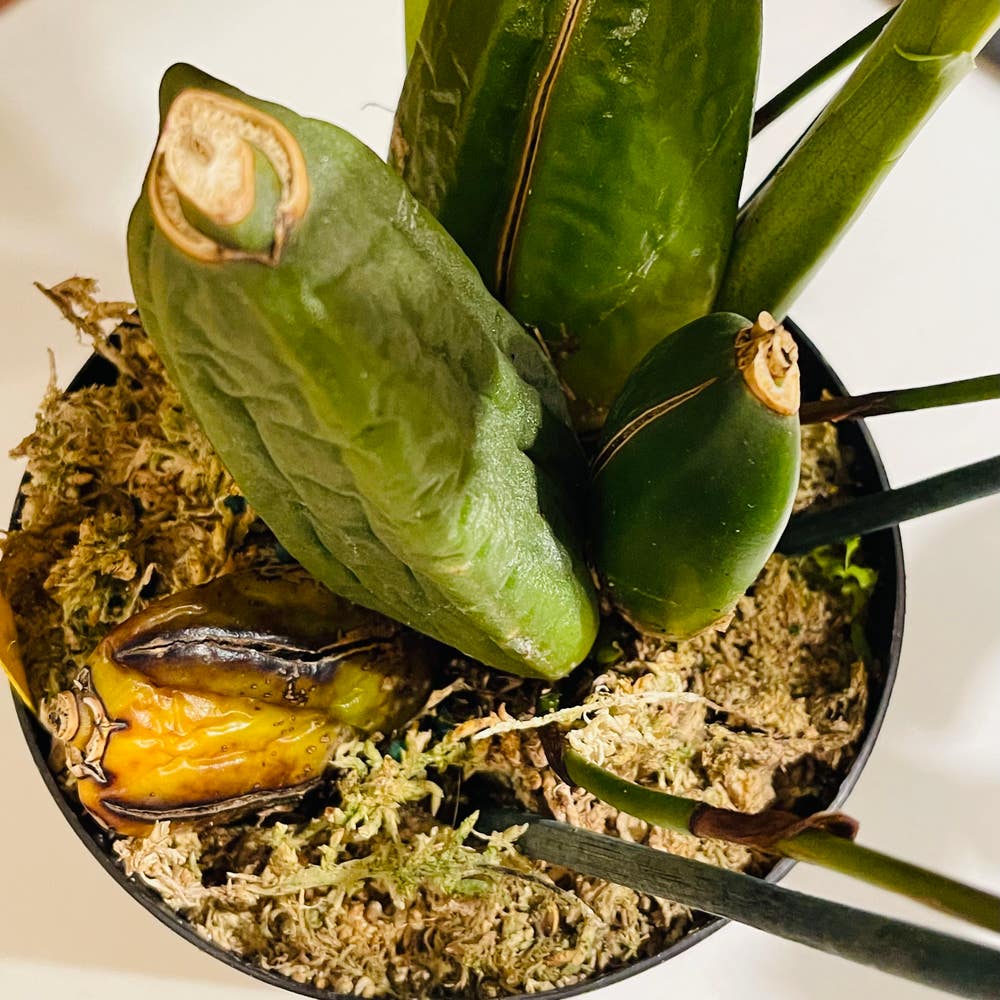
Ensure that the pseudobulbs are partially above the soil when planting. This positioning helps prevent rot and encourages healthy growth.
Watering Requirements 💧
Water your Lycaste orchid when the top inch of soil feels dry. This practice helps maintain the right moisture level without risking overwatering.
Be vigilant for signs of overwatering, such as yellowing leaves, or underwatering, indicated by wilting. Adjust your watering schedule based on these cues.
Fertilizing 🌼
During the growing season, fertilize every 2-4 weeks. This regular feeding supports robust growth and vibrant blooms.
Use a balanced orchid fertilizer, such as a 30-10-10 formula. This nutrient mix promotes healthy foliage and flowering.
Pruning and Ongoing Care ✂️
Regularly prune your Lycaste orchid by removing dead or yellowing leaves. This practice not only improves appearance but also encourages new growth.
Ongoing care includes monitoring humidity and temperature levels. Keeping these factors in check ensures your orchid remains vibrant and healthy.
Outdoor vs. Container Growing 🌍
Lycaste orchids can thrive outdoors in warm, humid climates. If you live in such an area, consider planting them in a garden for natural growth.
Alternatively, container growing is ideal for those in controlled environments. This method allows you to manage light, humidity, and temperature more effectively.
With these guidelines, you're well on your way to successfully growing a stunning Lycaste orchid. Next, let’s explore how to propagate these beautiful plants!
Propagation
🌱 Methods
Propagation of Lycaste orchids can be achieved through two primary methods: division of pseudobulbs and seed propagation. Each method has its unique advantages and requirements.
✂️ Division of Pseudobulbs
Dividing pseudobulbs is a straightforward way to propagate your Lycaste orchid.
Timing
The best time to divide is during spring or early summer when the plant is actively growing.
Tools
Use a sterilized knife or shears to prevent any potential infections.
Process
Carefully separate healthy pseudobulbs that have roots attached. This method not only helps in propagation but also rejuvenates the parent plant.
🌾 Seed Propagation
Seed propagation is a more complex but rewarding method for those looking to expand their orchid collection.
Germination Medium
For this method, use a sterile medium like agar or sphagnum moss to ensure a clean environment for the seeds.
Conditions
Maintain a warm and humid environment to promote successful germination. This process requires patience, as it can take time for seeds to sprout.
🌸 Conclusion
Both methods of propagation offer exciting opportunities to grow more Lycaste orchids. Whether you choose division for quick results or seed propagation for a challenge, each approach contributes to the beauty of your orchid collection. Next, let’s explore the lifecycle of these stunning plants.
Lifecycle
Lifecycle Stages 🌱
The Lycaste Orchid is a perennial plant, meaning it lives for multiple years and can bloom repeatedly. This longevity makes it a rewarding choice for both novice and experienced orchid enthusiasts.
Germination and Seedling Stage 🌱
Germination of Lycaste Orchid seeds typically takes about 2-3 weeks under optimal conditions. Providing the right warmth and humidity is crucial during this initial stage to ensure healthy seedlings.
Vegetative Growth and Flowering 🌼
After germination, the time to flowering can range from 1 to 3 years, depending on the care provided. Consistent attention to light, water, and nutrients will significantly influence how quickly your orchid blooms.
Seed Production and Lifespan 🌸
With proper care, a Lycaste Orchid can live for 10-15 years. This lifespan allows for numerous flowering cycles, adding beauty to your space over the years.
Growth Timeline 📅
It generally takes 2-3 years for a Lycaste Orchid to reach its full size. During this time, expect a moderate growth rate, which can be influenced by environmental factors and care practices.
As you nurture your Lycaste Orchid through its lifecycle, keep in mind that each stage requires specific attention. This understanding will help you cultivate a thriving plant that brings joy for years to come. Next, let’s explore how to effectively propagate your Lycaste Orchid for even more blooms!
Size
Mature Height and Spread 🌱
Lycaste orchids typically reach a height of 12 to 24 inches, making them a striking addition to any collection. Their spread ranges from 12 to 18 inches, allowing them to fill out a space beautifully without overwhelming it.
Growth Rate and Time to Full Size ⏳
These orchids take about 2 to 3 years to reach their full size. This moderate growth rate requires patience, but the wait is well worth it when you see them in bloom.
Size Variability 📏
The size of your Lycaste orchid can vary based on several factors. Light, water, and nutrient availability all play crucial roles in determining how large your plant will grow.
By providing optimal conditions, you can encourage your orchid to thrive and reach its potential size. Understanding these variables helps you create the best environment for your plant's growth.
As you nurture your Lycaste orchid, keep in mind that each plant is unique. This individuality adds to the charm of growing orchids, making every bloom a delightful surprise.
Next, let’s explore the roots of the Lycaste orchid and how they contribute to its overall health and growth.
Roots
Characteristics 🌱
Lycaste orchids feature a rhizomatous root system. This unique structure allows them to thrive in their natural habitats.
Root Depth and Spread 🌍
Typically, the roots of Lycaste orchids are shallow. They spread horizontally, which helps them absorb moisture and nutrients efficiently.
Common Issues and Solutions ⚠️
One of the most common problems is root rot, indicated by mushy roots and yellowing leaves. To combat this, improve drainage and adjust your watering schedule to prevent excess moisture.
Healthy vs. Unhealthy Roots 🥴
Healthy roots are firm and exhibit a white or green color. In contrast, unhealthy roots appear dark, mushy, or shriveled, signaling a need for immediate attention.
Rootbound Conditions 🪴
If you notice roots growing out of the drainage holes, your orchid may be rootbound. The solution is simple: repot your plant into a larger container to give it room to grow.
Understanding the root system of your Lycaste orchid is crucial for its health. By addressing these common issues, you can ensure your orchid thrives beautifully.
Benefits
Top 5 Benefits 🌟
Lycaste orchids are not just beautiful; they offer a range of benefits that make them a fantastic addition to any home or garden. Here are the top five reasons to consider growing these stunning plants.
Aesthetic Appeal
With their large, colorful flowers, Lycaste orchids can dramatically enhance your decor. They serve as eye-catching focal points, bringing vibrancy and life to any space.Air Purification
These orchids contribute to improved indoor air quality. By absorbing toxins and releasing oxygen, they help create a healthier living environment.Symbolism
In floral arrangements, Lycaste orchids symbolize beauty and elegance. Their presence can elevate the significance of any occasion, making them a popular choice for gifts and celebrations.Educational Value
Growing Lycaste orchids provides valuable learning opportunities in botany. They can spark curiosity about plant care, growth cycles, and the intricacies of orchid species.Therapeutic Effects
Engaging in gardening, including caring for Lycaste orchids, can reduce stress and promote well-being. The act of nurturing plants fosters a sense of accomplishment and connection to nature.
Incorporating Lycaste orchids into your life not only beautifies your surroundings but also enriches your experience with nature. Their benefits extend beyond aesthetics, making them a worthwhile investment for any plant enthusiast.
As you explore the joys of growing these orchids, you'll discover even more about their unique characteristics and care requirements. Next, let's delve into the fascinating world of companion plants that thrive alongside Lycaste orchids.
Companion Plants
Companion Planting Benefits 🌱
Companion planting is a fantastic way to enhance your garden's diversity and improve pest management. By selecting the right plants to grow alongside your Lycaste orchids, you can create a thriving ecosystem that benefits all your plants.
Best Companions 🌼
When it comes to suitable companions for Lycaste orchids, consider ferns, other orchids, and tropical plants. These plants share similar humidity and light requirements, making them ideal partners in your garden.
Plants to Avoid 🚫
On the flip side, it's best to avoid heavy feeders that compete for nutrients. These plants can drain the resources your Lycaste orchids need to flourish, potentially stunting their growth and health.
By carefully selecting companion plants, you can create a harmonious garden environment that supports the beauty and vitality of your Lycaste orchids. This thoughtful approach not only enhances your garden's aesthetic but also promotes a healthier growing space for all your plants.
As we explore the next section, we'll delve into the common problems that can affect your Lycaste orchids and how to tackle them effectively.
Problems
🌱 Common Issues
Growing Lycaste orchids can be rewarding, but incorrect watering is a frequent pitfall. Overwatering and underwatering can both lead to serious problems for your plant.
🔍 Identifying Symptoms
Watch for signs of distress, such as yellowing leaves, wilting, or stunted growth. These symptoms often indicate that your orchid is not receiving the care it needs.
🛠️ Solutions for Common Problems
To remedy these issues, start by adjusting your watering schedule based on environmental conditions.
- Overwatering: Ensure the potting mix dries out slightly between waterings.
- Underwatering: Increase frequency if the top inch of soil remains dry for too long.
If you notice fungal issues like powdery mildew or black rot, treat them promptly.
- Powdery Mildew: Use a fungicide or improve air circulation around the plant.
- Black Rot: Remove affected areas and adjust watering practices.
Leaf scorching can occur due to excessive light exposure. If you see browning edges on leaves, consider relocating your orchid to a spot with moderate light.
By staying vigilant and responsive to your plant's needs, you can ensure your Lycaste orchid thrives. Next, let’s explore how to effectively propagate these beautiful orchids for even more blooms!
Bugs
🐛 Potential Pest Issues
Lycaste orchids have a moderate resistance to pests but can still fall victim to certain nuisances. Keeping an eye on your plants is essential to catch any issues early.
🦠 Common Pests
Several pests can target your Lycaste orchids:
- Spider Mites: Look for fine webbing on leaves, which indicates their presence.
- Scale Insects: These pests appear as hard, shell-like bumps on stems and can be quite stubborn.
- Mealybugs: Identified by their white, cottony masses on leaves, they can quickly multiply if not addressed.
⚔️ Damage and Treatment
Pest damage can lead to significant stress for your orchids. Here are some effective treatment methods:
- Insecticidal Soap: This is a gentle yet effective option for controlling pests.
- Neem Oil: A natural remedy that disrupts the life cycle of pests while being safe for your plants.
- Manual Removal: Sometimes, the best approach is to simply wipe off pests with a damp cloth or gently scrub them away.
By staying vigilant and employing these treatments, you can keep your Lycaste orchids thriving and pest-free. Next, let’s explore what animals might be interested in snacking on your beautiful orchids.
What Eats Lycaste Orchid
🦌 Common Animals
Lycaste orchids can attract a variety of hungry critters.
- Deer: Look for signs like chewed leaves and stems, which indicate these graceful grazers have taken a liking to your plants.
- Rabbits: These small nibblers often target the lower leaves, leaving behind a trail of evidence.
- Squirrels: Known for their playful antics, squirrels can cause damage to flowers and buds as they forage.
🚨 Signs of Damage
Identifying damage early can save your orchids from further harm.
Keep an eye out for tracks and droppings around your plants. Visible damage to the leaves and stems is a clear indicator that something is munching away.
🛡️ Deterrent Methods
Protecting your Lycaste orchids from these pests is essential for their health.
- Chemical repellents: Consider using commercial deer and rabbit deterrents to keep these animals at bay.
- Organic methods: Planting deterrent herbs or using physical barriers can also be effective in safeguarding your orchids.
By employing these strategies, you can enjoy the beauty of your Lycaste orchids without the worry of unwanted visitors. Next, let’s explore the common problems that can affect these stunning plants.
⚠️ Safety First
This content is for general information and may contain errors, omissions, or outdated details. It is not medical, veterinary advice, or an endorsement of therapeutic claims.
Always consult a qualified healthcare professional before using any plant as food, medicine, or supplement.
Never eat any plant (or feed one to pets) without confirming its identity with at least two trusted sources.
If you suspect poisoning, call Poison Control (800) 222-1222, the Pet Poison Helpline (800) 213-6680, or your local emergency service immediately.
Spotted an error? Please report it here.
Unlock the beauty of Lycaste orchids 🌺 with Greg's tailored care tips and watering reminders, ensuring your stunning blooms thrive for years to come!