Large-Leaved Eulophia: A Comprehensive Overview
Eulophia megistophylla
By the Greg Editorial Team
Feb 06, 2025•11 min read
This article was created with the help of AI so we can cover more plants for you. May contain errors. See one? Report it here.
- 🌞 Large-Leaved Eulophia thrives in full sun to partial shade; ideal temps are 20-30°C.
- 🌱 Well-draining, organic-rich soil with pH 6.0-7.0 is essential for healthy growth.
- 🚫🐾 Non-toxic to pets, but caution is advised to prevent mild digestive discomfort.
How to Grow
🌞 Choosing the Right Location
To ensure your Large-Leaved Eulophia thrives, start by selecting the right location. It prefers full sun to partial shade, soaking up those rays while staying comfortable in temperatures between 20°C to 30°C (68°F to 86°F).
Moderate humidity is also key for optimal growth. Aim for a balance that keeps your plant happy and healthy.
🌱 Soil Preparation and Amendments
Next, focus on soil preparation. Large-Leaved Eulophia flourishes in well-draining soil rich in organic matter.
For the best results, maintain a slightly acidic to neutral soil pH, ideally between 6.0 and 7.0. Enhance fertility by mixing in compost or well-rotted manure.
🌿 Planting Techniques
When it comes to planting, spacing is crucial. Position your plants 30-45 cm (12-18 inches) apart to allow for optimal air circulation.
Plant the rhizomes at a depth of 5-10 cm (2-4 inches) to give them a solid start.
💧 Watering Requirements
Watering is essential for maintaining consistent moisture. Regularly check the soil and avoid waterlogging, which can harm your plants.
For even moisture distribution, consider using drip irrigation or soaker hoses. These methods help keep your Eulophia happy without the risk of overwatering.
🌼 Fertilizing Schedule and Types of Fertilizers
Fertilization is another important aspect of care. Feed your plants every 4-6 weeks during the growing season for the best results.
Opt for a balanced NPK fertilizer (10-10-10) or organic options like fish emulsion to keep your plants nourished.
✂️ Pruning and Maintenance Practices
Regular pruning helps promote new growth. Remove any dead or yellowing leaves to keep your plant looking its best.
Additionally, make it a habit to check for pests and diseases. Early detection can save your plants from potential harm.
🪴 Container Growing Considerations
If you're growing Large-Leaved Eulophia in containers, choose wisely. A minimum container size of 30 cm (12 inches) in diameter is necessary for adequate root space.
Ensure your containers have drainage holes to prevent root rot. This simple step can make all the difference in your plant's health.
With these tips in hand, you're well on your way to cultivating a thriving Large-Leaved Eulophia. Next, let’s explore how to propagate this beautiful plant for even more growth opportunities.
Propagation
🌱 Seed Propagation Methods
To propagate Large-Leaved Eulophia from seeds, start by collecting seeds from mature plants after they have flowered. Sow these seeds in well-draining soil, ensuring they are covered lightly for optimal germination.
✂️ Division of Rhizomes for Propagation
Dividing rhizomes is another effective propagation method. The best time to do this is in early spring or fall, when the plant is not actively growing. Carefully separate the rhizomes, making sure each piece has healthy roots, and then replant them in suitable conditions.
🌿 Tips for Successful Cuttings
For those interested in cuttings, select healthy stems that are 10-15 cm (4-6 inches) long. To boost root development, apply a rooting hormone to the cut ends before planting them in moist soil.
This propagation knowledge not only enhances your gardening skills but also ensures a thriving collection of Large-Leaved Eulophia. Next, let’s explore the size characteristics of this fascinating plant.
Size
Mature Height and Spread 🌳
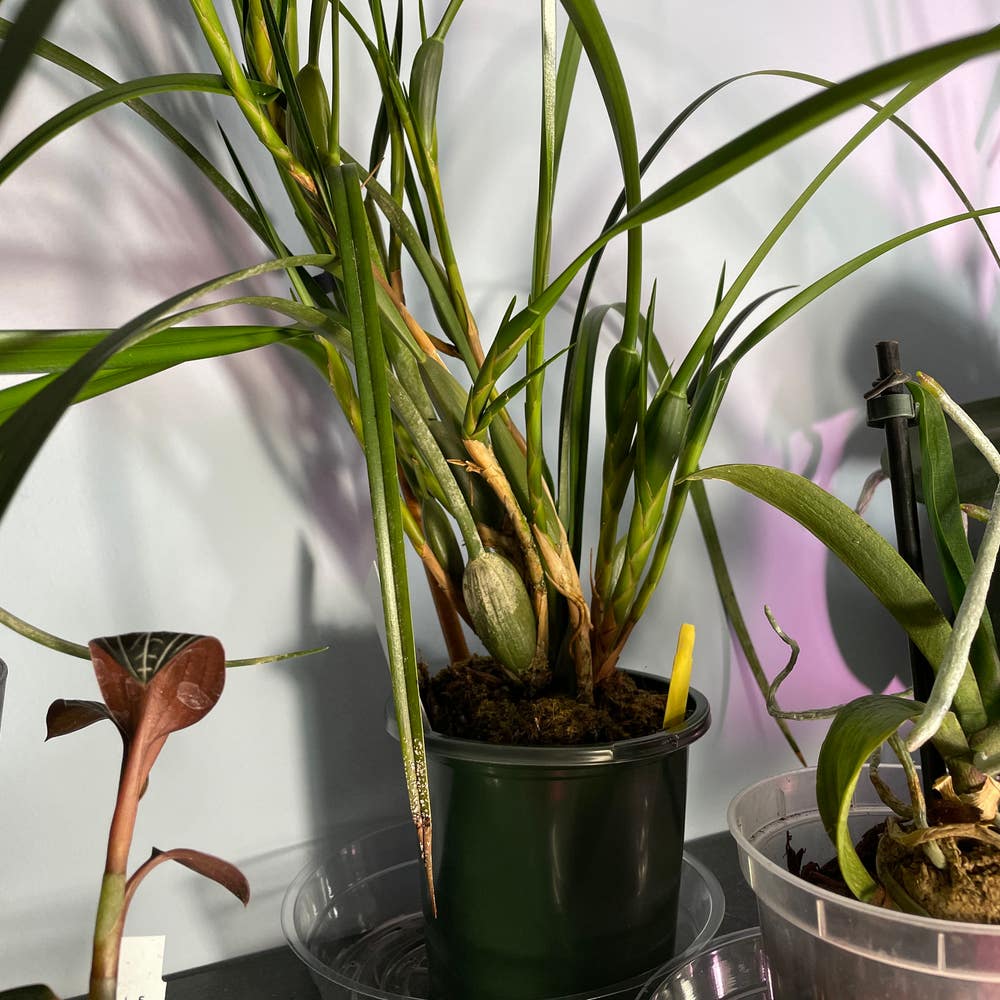
Large-leaved Eulophia can reach impressive heights of up to 1 meter (3 feet). Its mature spread typically extends to about 60 cm (24 inches), making it a striking addition to any garden.
Growth Rate and Factors Affecting Size 📈
This plant exhibits a moderate growth rate, which can be influenced by several factors. Key elements include light exposure, water availability, and soil quality, all of which play a crucial role in determining its overall size.
Size Variability Based on Growing Conditions 🌍
The size of Large-leaved Eulophia can vary significantly depending on its growing conditions. For instance, plants grown in containers may not reach the same dimensions as those planted directly in garden beds, and environmental factors like climate can also impact growth.
As you consider adding this beautiful plant to your garden, keep in mind how these factors can affect its size and overall health. Next, let's explore the fascinating root system that supports this vibrant plant.
Roots
🌱 Description of the Root System
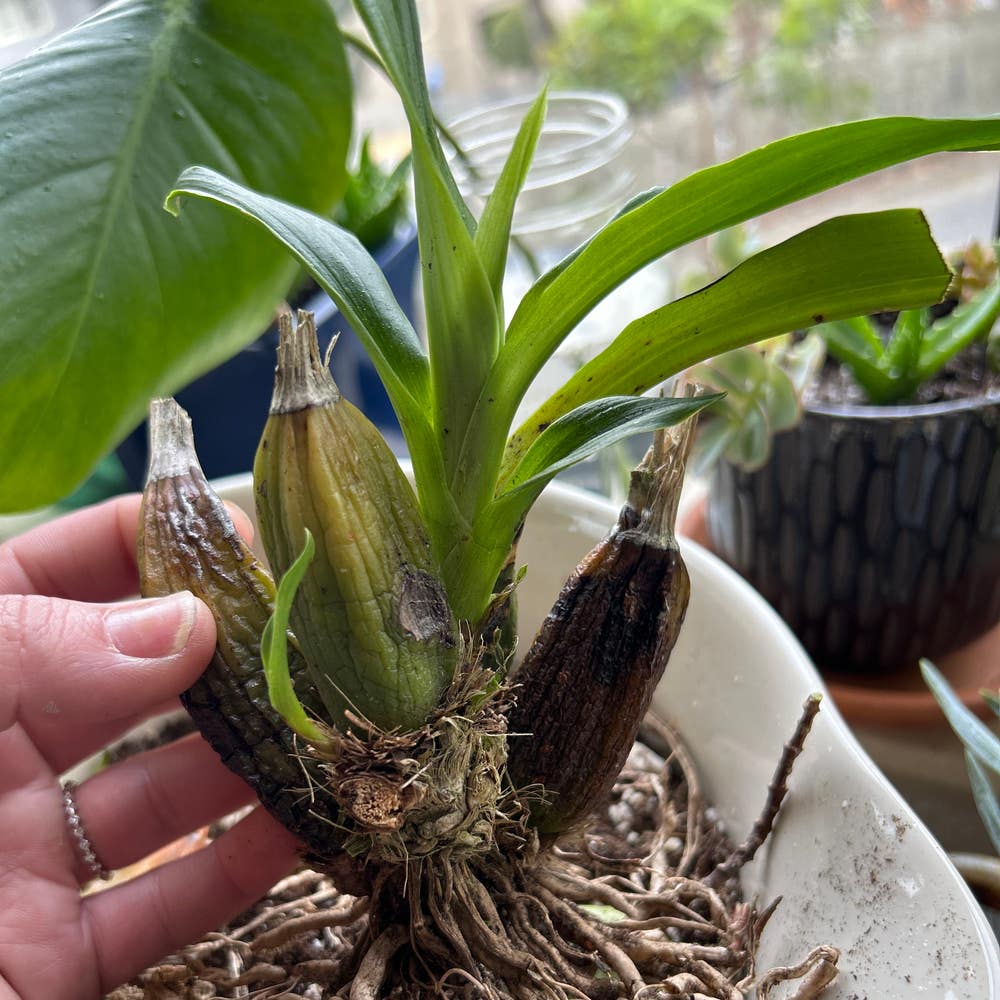
The Large-Leaved Eulophia features a rhizomatous root system. This means its roots are typically shallow and spread horizontally, allowing the plant to establish itself effectively in various soil conditions.
⚠️ Common Root-Related Issues
Root health is crucial for the overall vitality of the plant. Overwatering can lead to root rot, characterized by mushy roots that signal trouble.
On the other hand, if the plant becomes rootbound, you may notice stunted growth or roots growing out of drainage holes. This indicates that the plant needs more space to thrive.
👀 Visual Cues for Healthy vs. Unhealthy Roots
Identifying root health is essential for maintaining your Large-Leaved Eulophia. Healthy roots are firm and exhibit a white or light tan color, indicating vitality.
In contrast, unhealthy roots appear dark, mushy, or even foul-smelling, suggesting that immediate action is needed to revive the plant.
Understanding these root characteristics will help you ensure your plant remains healthy and vibrant. With proper care, your Eulophia can flourish beautifully in your garden.
Next, let’s explore the benefits of growing this remarkable plant.
Benefits
List of 5 Benefits 🌿
Large-Leaved Eulophia offers numerous advantages for gardeners and nature enthusiasts alike.
- Attractive Foliage: Its lush, green leaves enhance garden aesthetics, adding a tropical touch to any landscape.
- Pollinator Attraction: The plant attracts pollinators, supporting local ecosystems and promoting biodiversity.
- Drought Tolerance: Certain varieties are drought-tolerant, helping to reduce water usage in your garden.
- Traditional Medicine: In some cultures, Eulophia is used in traditional medicine, showcasing its versatility.
- Habitat for Beneficial Insects: This plant provides a habitat for beneficial insects, contributing to a balanced garden ecosystem.
Cultural Significance and Symbolism 🌍
Beyond its physical benefits, Large-Leaved Eulophia holds cultural significance.
It symbolizes resilience and adaptability in various cultures, reflecting the plant's ability to thrive in diverse environments. Often associated with tropical landscapes, it embodies the beauty and richness of biodiversity, making it a cherished addition to gardens worldwide.
As you cultivate this plant, you not only enhance your garden but also connect with a broader narrative of nature's resilience.
In the next section, we will explore companion planting and how to maximize the benefits of Large-Leaved Eulophia by pairing it with compatible plants.
Companion Plants
🌱 Explanation of Companion Planting and Its Benefits
Companion planting involves growing different plants together to create a mutually beneficial environment. This practice can enhance pest management, improve growth rates, and increase overall garden diversity.
🌿 List of Compatible Companion Plants
When selecting companion plants for Large-Leaved Eulophia, consider ferns, hostas, and other shade-tolerant varieties. These plants share similar care requirements and contribute to a visually appealing garden layout.
🚫 Plants to Avoid Planting Near
It's best to avoid planting Large-Leaved Eulophia near heavy feeders like tomatoes. These plants can compete for nutrients, potentially hindering the growth of your Eulophia.
By choosing the right companions, you can create a thriving garden ecosystem that supports the health and beauty of your Large-Leaved Eulophia. Next, let’s explore the potential pest issues that may arise in your garden.
Toxicity to Humans
Safety Profile 🛡️
Large-leaved Eulophia is not listed as toxic by major poison control centers. This means it’s generally safe for handling and even consumption in small amounts.
Potential Reactions 🤔
While most people can interact with this plant without issues, some may experience mild skin irritation from excessive contact. Additionally, consuming large quantities might lead to minor digestive discomfort.
Caution is Key ⚠️
Always exercise caution with any plant. If you notice unusual symptoms after contact or ingestion, it’s wise to seek medical advice.
This plant can be a delightful addition to your garden without the worry of toxicity. However, staying informed and cautious ensures a safe and enjoyable gardening experience.
Next, let’s explore how Large-Leaved Eulophia interacts with our furry friends!
Toxicity to Dogs
Safety Profile 🐶
Large-Leaved Eulophia is generally safe for dogs, as it is not listed as toxic by major pet poison control centers. However, it's wise to monitor your dog for excessive consumption, as too much of any plant can lead to mild digestive discomfort.
Placement and Monitoring 👀
To ensure safety, keep the plant out of reach of curious dogs. Regularly observe your dog's behavior around the plant to catch any unusual interest or nibbling.
Cautionary Measures ⚠️
While Large-Leaved Eulophia is considered safe, it's best to discourage dogs from eating large quantities of any non-food plant material. This simple precaution helps prevent any potential issues and keeps your furry friend healthy.
As you enjoy your garden, remember that a little vigilance goes a long way in ensuring a safe environment for your pets. Now, let’s dive into the next section about toxicity to cats!
Toxicity to Cats
Safety Profile 🐱
Large-leaved Eulophia is generally safe for cats, as it is not listed as toxic by major pet poison control centers. However, it's wise to monitor your feline friends for any excessive consumption.
Placement and Monitoring 🏡
To keep your curious cats safe, position these plants in areas that are inaccessible to them. Regularly observe your cat's behavior around the plant to ensure they aren't nibbling on it.
Consumption Caution ⚠️
While the plant is considered safe, it's best to discourage cats from eating large quantities of any non-food plant material. This helps prevent any potential digestive discomfort and keeps your furry companions healthy.
In summary, Large-leaved Eulophia poses minimal risk to cats, but a little precaution goes a long way. Next, let’s explore the potential problems that can arise when growing this beautiful plant.
Problems
Common Problems Faced 🌱
Growing Large-Leaved Eulophia can be rewarding, but it comes with its share of challenges. Understanding these common problems will help you maintain a healthy plant.
Incorrect Watering 🚰
Watering issues are among the most frequent problems. Overwatering leads to yellowing leaves, while underwatering results in wilting.
Incorrect Light Conditions ☀️
Light conditions also play a crucial role in plant health. Too much sun can scorch leaves, whereas too little light causes etiolation, where the plant stretches toward the light source.
Diseases 🦠
Fungal diseases like powdery mildew and rust can affect your Eulophia. Regularly inspect your plants for signs of these issues to catch them early.
Root Problems 🥴
Root health is vital for overall plant vitality. Root rot, often caused by overwatering, presents symptoms like mushy roots and stunted growth.
Leaf Issues 🍃
Leaf problems can manifest in various ways. Yellowing leaves may indicate nutrient deficiencies, while fuzzy growth could signal fungal infections.
By staying vigilant and addressing these issues promptly, you can ensure your Large-Leaved Eulophia thrives. Next, let’s explore potential pest issues that may arise in your garden.
Bugs
🐜 Potential Pest Issues
While Large-Leaved Eulophia is generally pest-resistant, it can still fall victim to a few common pests. Keep an eye out for spider mites, aphids, mealybugs, and whiteflies, as they can cause significant damage if left unchecked.
🧪 Identification and Treatment Options
Spider Mites
Look for fine webbing and stippled leaves. Treat infestations with insecticidal soap to eliminate these tiny nuisances.
Aphids
These small green or black insects can cluster on new growth. Control them effectively with neem oil, which disrupts their life cycle.
Mealybugs
Identified by their cotton-like masses on stems, mealybugs can be removed by hand or treated with alcohol. Regular checks can help catch them early.
Whiteflies
These tiny white insects can be a real headache. Use yellow sticky traps to monitor and control their populations effectively.
By staying vigilant and addressing these pest issues promptly, you can keep your Large-Leaved Eulophia thriving and beautiful. Next, let's explore the common problems that can arise in its care.
What Eats
🦌 Common Animals That May Damage
When it comes to the large-leaved eulophia, several animals may pose a threat. Deer are notorious for munching on the leaves, leaving behind chewed remnants and broken stems.
Rabbits also enjoy nibbling on the lower leaves, while squirrels can be seen digging around the base of the plant, potentially uprooting it in their search for food.
🕵️♂️ Signs of Animal Presence and Damage
Identifying animal damage is crucial for timely intervention. Look for signs such as browsing on leaves or even uprooted plants, which indicate that animals have been feasting on your eulophia.
Other telltale signs include tracks, droppings, or visible damage to the foliage, all of which can help you pinpoint the culprits.
🚫 Deterrent Methods
To protect your plants, consider implementing various deterrent methods. Chemical repellents can be effective in keeping animals at bay, but always follow the instructions carefully.
For a more natural approach, try planting deterrent species nearby or using physical barriers like fences to safeguard your eulophia from hungry visitors.
By staying vigilant and employing these strategies, you can enjoy the beauty of your large-leaved eulophia without the worry of unwanted munchers.
⚠️ Safety First
This content is for general information and may contain errors, omissions, or outdated details. It is not medical, veterinary advice, or an endorsement of therapeutic claims.
Always consult a qualified healthcare professional before using any plant as food, medicine, or supplement.
Never eat any plant (or feed one to pets) without confirming its identity with at least two trusted sources.
If you suspect poisoning, call Poison Control (800) 222-1222, the Pet Poison Helpline (800) 213-6680, or your local emergency service immediately.
Spotted an error? Please report it here.
Cultivate your Large-Leaved Eulophia to new heights 🌱 with Greg's tailored care reminders and expert tips that keep your plant thriving in any environment!