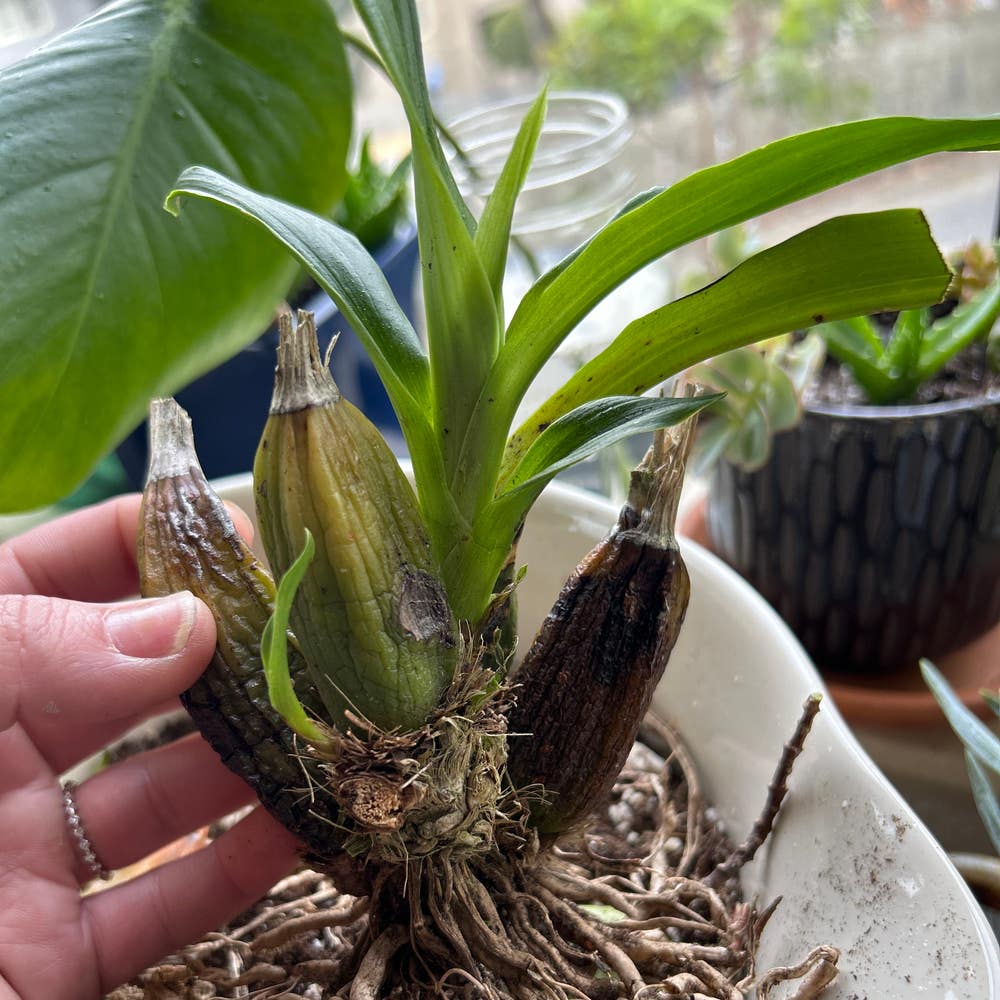
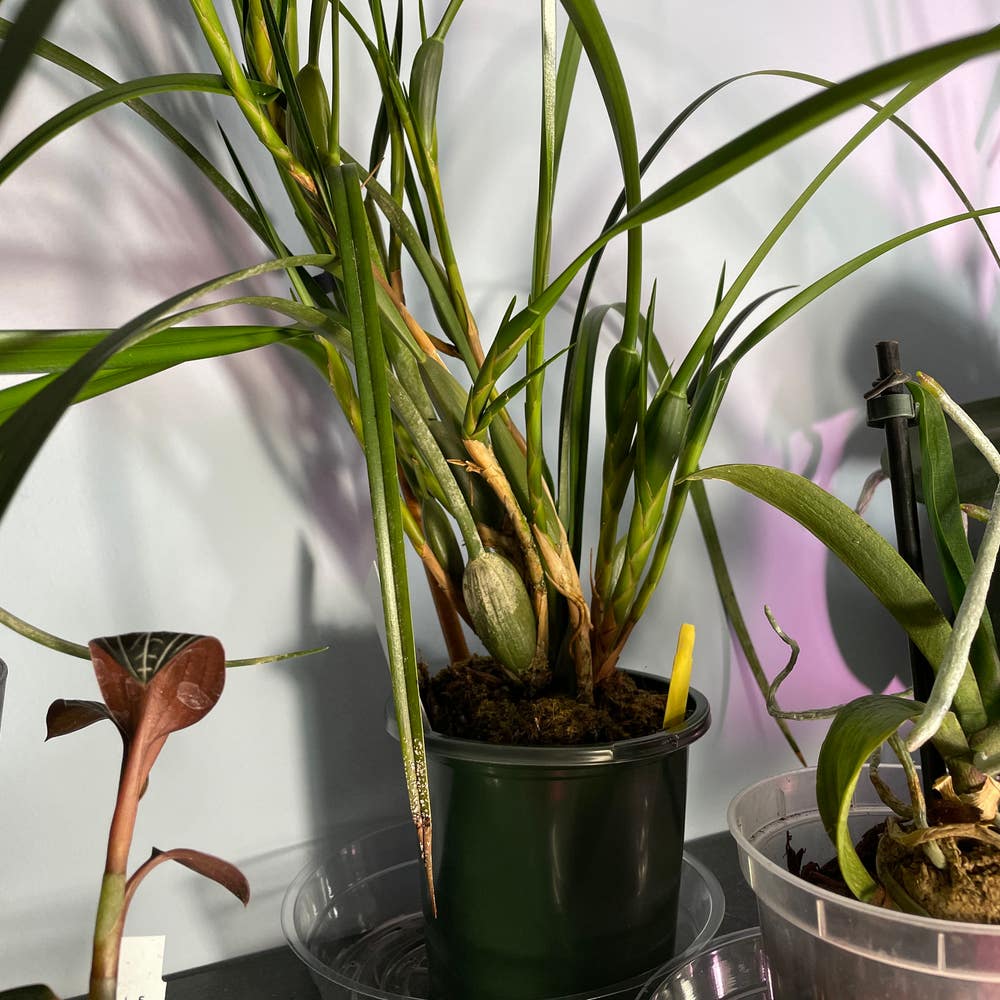
All About Eulophia megistophylla: Essential Facts
Eulophia megistophylla
By the Greg Editorial Team
Feb 27, 2025•10 min read
This article was created with the help of AI so we can cover more plants for you. May contain errors. See one? Report it here.
- 🌞 Eulophia megistophylla thrives in full sun to partial shade with warm temperatures.
- 💧 High humidity (50%+) is crucial for optimal growth and health of this orchid.
- 🌱 Well-draining, organic-rich soil prevents root rot and supports healthy growth.
How to Grow
Choosing a Location 🌞
Eulophia megistophylla thrives in full sun to partial shade. Aim for warm temperatures between 20°C to 30°C (68°F to 86°F) and ensure high humidity levels of 50% or more for optimal growth.
Soil Preparation 🌱
For soil, choose a well-draining mix rich in organic matter. The ideal pH is slightly acidic to neutral, ranging from 6.0 to 7.0, and it's crucial to avoid waterlogged conditions to keep your plant healthy.
Planting Techniques 🌿
When planting, dig a hole 2-3 inches deep and space each plant 12-18 inches apart. This spacing allows for adequate airflow, which is essential for preventing disease.
Watering Requirements 💧
Water your Eulophia megistophylla when the top inch of soil feels dry. Always water at the base to prevent wetting the foliage, which can lead to fungal issues.
Fertilizing Schedule 🌼
Use a balanced orchid fertilizer, like a 20-20-20 mix, every 4-6 weeks during the growing season. This will provide the nutrients necessary for robust growth and vibrant blooms.
Pruning and Ongoing Care ✂️
Regular maintenance is key to a thriving plant. Deadhead spent flowers to encourage new blooms and routinely check for pests and diseases to keep your Eulophia healthy.
With these tips, you're well on your way to cultivating a stunning Eulophia megistophylla. Next, let’s explore how to propagate this beautiful plant for even more growth!
Propagation
🌱 Seed Propagation
To propagate Eulophia megistophylla from seeds, start by soaking them for 24 hours before planting. This simple step helps kickstart the germination process, which thrives in warm temperatures and high humidity.
✂️ Division of Rhizomes
Another effective propagation method is dividing the rhizomes. The best time for this is early spring, when the plant is actively growing.
When dividing, carefully separate the rhizomes, ensuring each piece has both roots and shoots. This technique not only promotes new growth but also helps maintain the health of the parent plant.
By mastering these propagation methods, you can expand your collection of Eulophia megistophylla and share this stunning orchid with fellow gardening enthusiasts. Next, let’s explore the size of this remarkable plant and what you can expect as it matures.
Size
Mature Height and Spread 🌱
Eulophia megistophylla typically reaches a mature height of 24 to 36 inches. Its spread ranges from 12 to 18 inches, making it a striking addition to any garden.
Growth Rate and Size Variability 📈
This orchid has a moderate growth rate, capable of growing 12 to 24 inches per year under optimal conditions. Factors such as light, water, and nutrient availability significantly influence its size, so providing the right environment is crucial for robust growth.
Understanding these aspects of Eulophia megistophylla helps you appreciate its potential in your garden. With the right care, this plant can thrive and become a focal point in your landscape.
Roots
🌱 Characteristics of the Root System
Eulophia megistophylla features fleshy, rhizomatous roots that are excellent at storing water and nutrients. These roots can extend 12-18 inches deep, allowing the plant to access moisture and nutrients from a significant depth.
⚠️ Common Root-Related Issues
One of the most common issues is root rot, which occurs due to overwatering. Symptoms include mushy roots that can lead to plant decline if not addressed promptly.
Another concern is being rootbound, where the plant's growth is stunted, and roots begin to circle around the pot. This can be identified by roots growing out of drainage holes.
🛠️ Tips for Managing Root Health
To manage root health effectively, keep an eye out for signs of rootbound plants. If you notice roots escaping the pot, it’s time to consider repotting into a larger container.
Alternatively, dividing rhizomes can also help rejuvenate the plant and promote healthier growth. This technique ensures that each section has adequate roots and shoots for optimal recovery.
By paying attention to these root health tips, you can ensure your Eulophia megistophylla thrives beautifully. Up next, we'll explore the benefits of this stunning plant and why it deserves a spot in your garden.
Benefits
🌺 Unique Ornamental Value
Eulophia megistophylla boasts striking flowers that can elevate any garden's aesthetic. Their unique appearance makes them a standout choice for plant enthusiasts looking to add a touch of elegance.
💧 Drought Tolerance
Thanks to their fleshy roots, these plants are remarkably drought-tolerant. This feature allows them to thrive even in less-than-ideal watering conditions, making them a low-maintenance option for busy gardeners.
🐝 Attracts Pollinators
These orchids are not just beautiful; they also attract essential pollinators like bees and butterflies. By planting Eulophia megistophylla, you contribute to a thriving ecosystem in your garden.
🌿 Enhances Garden Biodiversity
Incorporating Eulophia megistophylla into your landscape enhances biodiversity. This diversity supports various wildlife and promotes a healthier garden environment.
🎭 Cultural Significance
In certain regions, Eulophia megistophylla holds cultural significance, often being used in traditional practices. This connection to culture adds an enriching layer to its presence in your garden.
With these benefits in mind, Eulophia megistophylla proves to be a valuable addition to any garden. Next, let’s explore the best companion plants to pair with this stunning orchid for optimal growth and beauty.
Companion Plants
🌱 Explanation of Companion Planting
Companion planting is a gardening technique that pairs plants together to enhance growth and improve pest management. This method not only boosts the health of your plants but also adds diversity to your garden.
🌼 List of Compatible Companion Plants
When growing Eulophia megistophylla, consider these compatible companions:
- Ferns: Thrive in similar humidity and light conditions.
- Other Orchids: Share similar care requirements, making them ideal partners.
- Shade-Tolerant Plants: Benefit from the same light levels, promoting a harmonious garden environment.
These plants complement each other by creating a balanced ecosystem that supports growth and minimizes pest issues.
🚫 Plants to Avoid
While some plants thrive alongside Eulophia megistophylla, others can hinder its growth. Avoid heavy feeders that compete for nutrients, as they can deplete the soil and stress your orchid.
Choosing the right companions can make all the difference in your gardening success. By fostering a diverse plant community, you can create a thriving environment for your Eulophia megistophylla.
Next, let’s explore the toxicity of this plant to humans and pets, ensuring a safe gardening experience.
Toxicity to Humans
Eulophia megistophylla is not listed as toxic by major poison control centers, making it a safe choice for gardens and homes. While there’s minimal risk, some individuals may experience mild skin irritation or digestive discomfort if ingested.
It's always wise to handle any plant with care, especially if you have sensitive skin. If you notice any unusual reactions, it's best to consult a medical professional for advice.
With its vibrant flowers and unique appeal, Eulophia megistophylla can be a delightful addition to your space without the worry of toxicity.
As you explore this fascinating plant, let’s transition to understanding its impact on our furry friends.
Toxicity to Dogs
Eulophia megistophylla is not listed as toxic by veterinary organizations, making it a safe choice for dog owners. However, it's important to note that excessive consumption can lead to mild gastrointestinal upset.
🐶 Tips for Introducing to Dogs
To ensure safety, place the plant out of reach of curious dogs. Regularly monitor your dog's behavior to catch any unusual interest in the plant early on.
By taking these simple precautions, you can enjoy the beauty of Eulophia megistophylla without worrying about your furry friends. This plant can thrive in your home while keeping your pets safe and sound.
As we move forward, let’s explore how to manage common problems that may arise with this unique plant.
Toxicity to Cats
Eulophia megistophylla is not listed as toxic by major pet poison control centers, making it a relatively safe choice for cat owners. However, it's important to note that excessive consumption may lead to mild gastrointestinal upset.
🐱 Tips for Introducing to Cats
To keep your feline friends safe, ensure that the plant is placed out of their reach. Additionally, monitor their behavior to catch any unusual interest in the plant early on.
By taking these precautions, you can enjoy the beauty of Eulophia megistophylla while keeping your curious cats safe. If you’re considering adding this plant to your home, it’s a great way to enhance your space without worrying about toxicity.
Problems
Common Problems Faced 🌱
Growing Eulophia megistophylla can be rewarding, but it’s not without its challenges. One of the most common issues is incorrect watering, which can manifest as either overwatering or underwatering.
Overwatering leads to soggy soil and can cause root rot, while underwatering results in wilting leaves. Both conditions can stress your plant, so it's crucial to monitor soil moisture regularly.
Another frequent problem is incorrect light conditions. Too much direct sunlight can scorch the leaves, leading to unsightly brown patches. Conversely, insufficient light can stunt growth and reduce flowering.
Identification and Resolution of Issues 🔍
Identifying diseases early can save your Eulophia from serious damage. Fungal issues, such as powdery mildew, often appear as white, powdery spots on leaves. If you notice this, improve air circulation and consider applying a fungicide.
Root problems are also a concern. Root rot, characterized by mushy, dark roots, is a sign of overwatering. If you suspect root rot, gently remove the plant from its pot, trim away the affected roots, and repot in fresh, well-draining soil.
By staying vigilant and addressing these common problems promptly, you can ensure your Eulophia megistophylla thrives beautifully in your garden. Next, let’s explore the fascinating topic of pests that may affect your plant.
Bugs
🐛 Potential Pest Issues
Eulophia megistophylla is generally resilient against pests, making it a robust choice for gardeners. However, it can still fall victim to certain pests that may cause concern.
🕵️♀️ Identification and Treatment of Pests
Common pests that target this plant include spider mites, mealybugs, and aphids. These pests can lead to noticeable damage, such as leaf discoloration and stunted growth.
To combat these issues, consider using insecticidal soap or neem oil, both of which are effective treatments. Manual removal of pests can also be a practical approach, especially for smaller infestations.
By staying vigilant and addressing pest problems promptly, you can maintain the health and beauty of your Eulophia megistophylla. This proactive care ensures your plant thrives, setting the stage for a vibrant garden.
Next, let's explore the common problems faced by Eulophia megistophylla and how to tackle them effectively.
What Eats
Common Animals That May Damage 🦌
Eulophia megistophylla can attract a variety of hungry critters. Deer, rabbits, and rodents are the primary culprits that may munch on your plants, causing noticeable damage.
Signs of Animal Presence and Damage 🐾
Keep an eye out for signs of these animals. Chewed leaves and broken stems are clear indicators that your plant has been targeted by these garden invaders.
Deterrent Methods 🚫
To protect your Eulophia megistophylla, consider using deterrent methods.
Chemical Methods
Commercial repellents can be effective in keeping these animals at bay.
Organic Methods
Alternatively, you can plant deterrent species or use physical barriers to safeguard your plants. These strategies not only protect your garden but also promote a healthier ecosystem.
By being proactive, you can enjoy the beauty of your Eulophia megistophylla without the worry of unwanted nibblers. Now, let’s explore how to manage common problems that may arise in your gardening journey.
⚠️ Safety First
This content is for general information and may contain errors, omissions, or outdated details. It is not medical, veterinary advice, or an endorsement of therapeutic claims.
Always consult a qualified healthcare professional before using any plant as food, medicine, or supplement.
Never eat any plant (or feed one to pets) without confirming its identity with at least two trusted sources.
If you suspect poisoning, call Poison Control (800) 222-1222, the Pet Poison Helpline (800) 213-6680, or your local emergency service immediately.
Spotted an error? Please report it here.
Keep your Eulophia megistophylla thriving 🌱 with Greg's tailored watering alerts and expert care tips that make nurturing this stunning orchid a breeze!