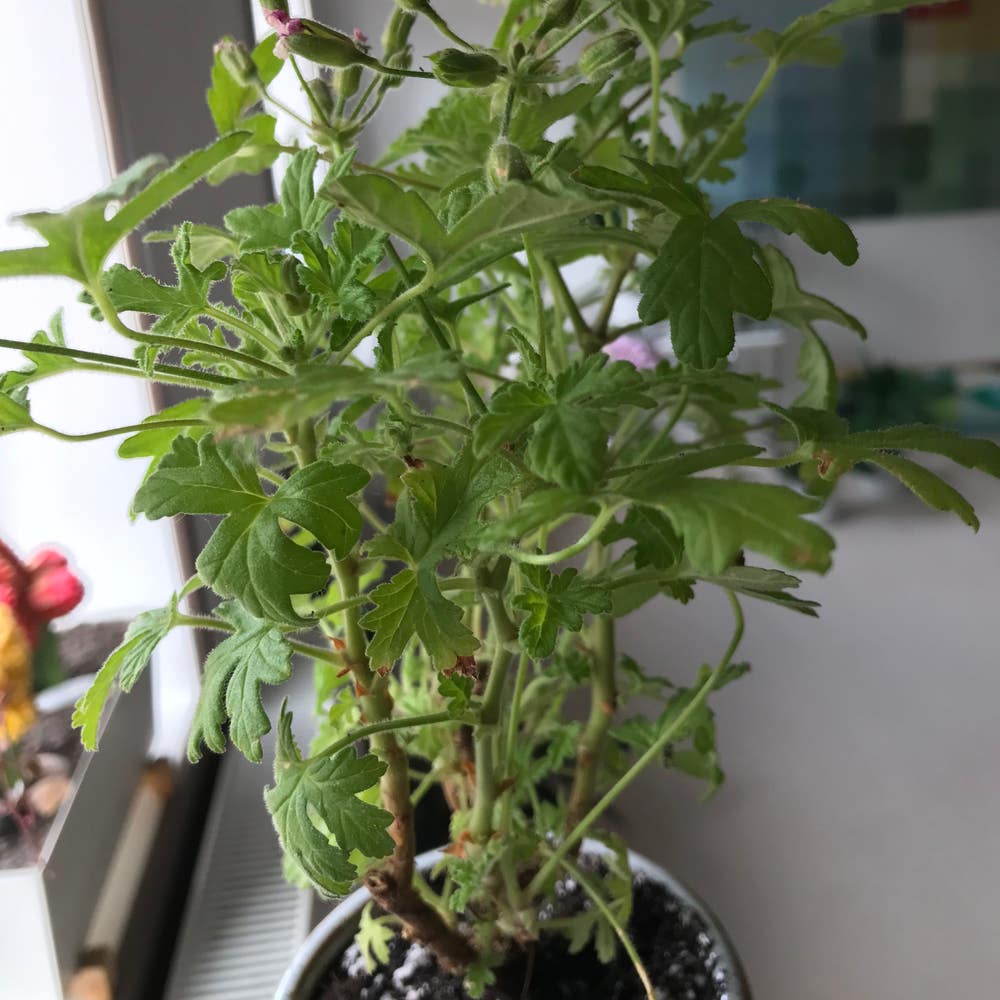
Why Are My Island Mallow Leaves Curling?
Malva assurgentiflora
By the Greg Editorial Team
Apr 15, 2024•4 min read
This article was created with the help of AI so we can cover more plants for you. May contain errors. See one? Report it here.
Solve your Island Mallow's leaf-curl riddle and reclaim its verdant splendor! 🌿
- 💧 Water wisely: Too much or too little can curl leaves.
- 🌡️ Maintain comfy temps: Insulate or shade to prevent temperature extremes.
- 🌿 Nutrients and airflow matter: Balance NPK and prevent pests with good circulation.
When Thirsty Leaves Get Twisty
💧 Spotting the Signs of Water Woes
Curling leaves on your Island Mallow can signal a cry for water or a plea to stop drowning it. If the leaves are curling up, they're hoarding moisture in a desert-like defense. Conversely, leaves curling down might indicate a waterlogged root system. The sweet spot for watering is when the top inch of soil is dry to the touch – that's your plant's way of saying, "I'm ready for my next drink."
🚰 The Drain Game
Ensuring your Island Mallow isn't sitting in soggy sadness is crucial. Good drainage is the unsung hero here. Check that your pot has holes worthy of a colander. A well-draining soil mix is like a good support system – it doesn't let your plant's feet stay wet for too long. Remember, your Island Mallow isn't into swampy living conditions. Aim for moist, but not marshy.
It's Not You, It's the Climate
🌡️ Too Hot to Handle or Too Cold to Hold
Island Mallow leaves curling? Temperature might be the culprit. Extreme heat saps moisture, leaving leaves dehydrated and curled. On the flip side, cold can stiffen them up like a starched shirt. Aim for a consistent, comfortable range—think of it as setting the thermostat for a picky houseguest.
🔥 Adjusting the Heat
Insulation is your plant's ally against the cold. Wrap it up like a burrito if frost threatens. When the sun's blazing, shade cloths or relocation can save your Mallow from a meltdown. Use a thermostat to keep the climate steady, avoiding spots where temperatures fluctuate wildly.
💦 Humidity: The Invisible Embrace
Humidity is like a secret garden party for your Island Mallow—too little, and the leaves curl in protest; too much, and they're at risk of fungal gate-crashers. Aim for that rainforest vibe without turning your home into a sauna.
🌬️ Balancing Moisture in the Air
Good airflow is essential; it's like setting up a climate control system. A humidifier can boost moisture levels in dry conditions, while a pebble tray might be all you need to up the ante. Keep an eye on your plant's reaction and tweak the humidity like you're fine-tuning a playlist.
Feeding Frenzy: Nutrients and Your Island Mallow
🌿 The Tell-Tale Signs of Starvation
Yellowing leaves on your Island Mallow might as well be flashing neon signs for help. If you're seeing pale colors or spots, it's time to think nutrients. Spindly stems? Your plant's basically holding a sign that says "Feed me!" And let's not forget new growth that's more yellow than green, practically begging for a bite to eat.
🥗 The Balanced Diet for Lush Leaves
Crafting the perfect nutrient mix is like being a chef for your plant. An even NPK ratio in a water-soluble fertilizer is the gourmet meal your Island Mallow craves. But remember, overfeeding is the fast food of the plant world—just don't do it. If you suspect micronutrient mischief, a foliar spray of Epsom salt might just be the quick fix you need. Keep an eye on the soil pH too; it's the gatekeeper of nutrient absorption. Feed with finesse, and those leaves will uncurl like they're waking up from the best nap ever.
Uninvited Guests: Pests and Diseases Crashing the Party
🐜 Catching Critters in the Act
Pests are uninvited guests that can wreak havoc on Island Mallow leaves. To catch these critters, inspect your plant meticulously. Look under leaves and in crevices; these are the pests' favorite hideouts. If you spot any, it's time for immediate action.
🦠 Battling the Invisible Enemies
Diseases can be stealthy invaders, often harder to detect than pests. Early detection is crucial for the health of your Island Mallow. Watch for unusual spots or a powdery substance on leaves, which can indicate a fungal issue. If you discover any signs, isolate the plant and consider a fungicide, but only as a last resort. Remember, prevention is key—ensure good air circulation and keep the foliage dry to ward off these silent attackers.
⚠️ Safety First
This content is for general information and may contain errors, omissions, or outdated details. It is not medical, veterinary advice, or an endorsement of therapeutic claims.
Always consult a qualified healthcare professional before using any plant as food, medicine, or supplement.
Never eat any plant (or feed one to pets) without confirming its identity with at least two trusted sources.
If you suspect poisoning, call Poison Control (800) 222-1222, the Pet Poison Helpline (800) 213-6680, or your local emergency service immediately.
Spotted an error? Please report it here.
Ensure your Island Mallow thrives with balanced care 🌡, guided by Greg's personalized reminders for watering, temperature, and humidity control.