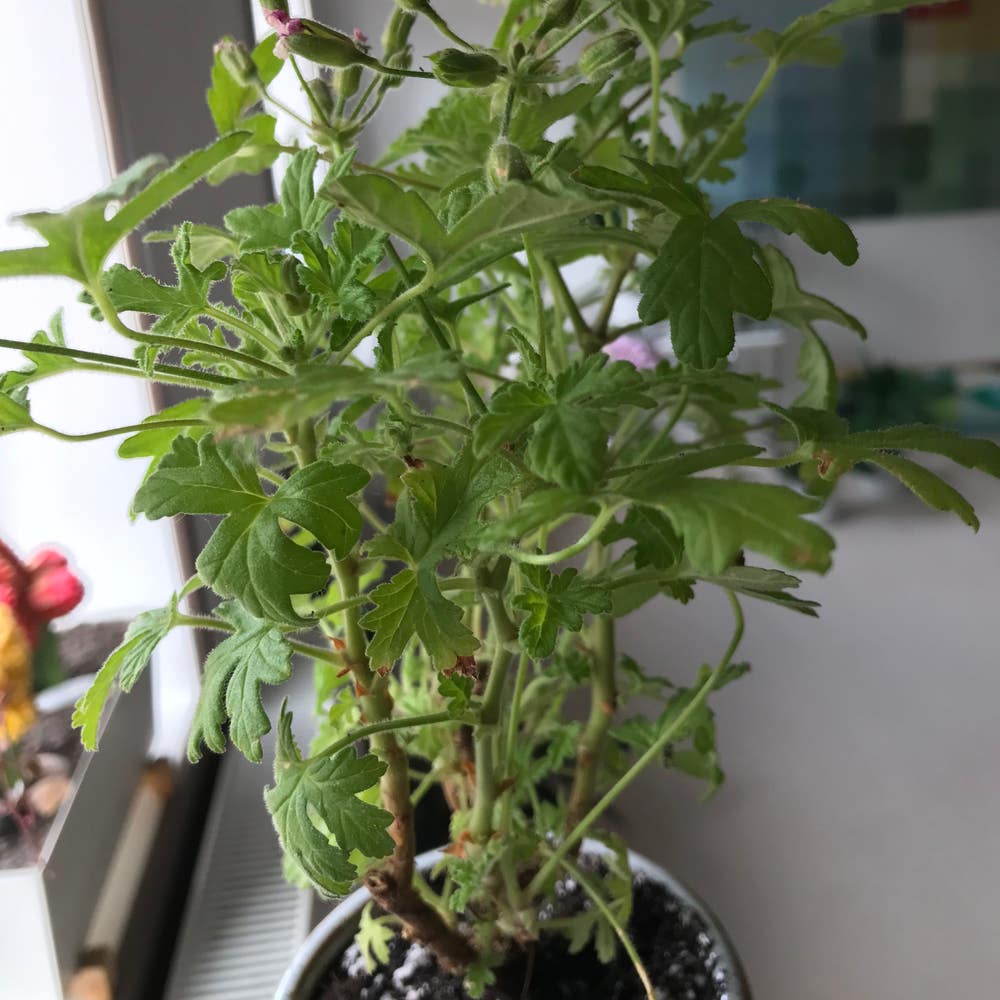
How Much Humidity Does My Island Mallow Need?
Malva assurgentiflora
By the Greg Editorial Team
Apr 15, 2024•3 min read
This article was created with the help of AI so we can cover more plants for you. May contain errors. See one? Report it here.
Ensure your Island Mallow flourishes 🌺 by mastering its ideal humidity needs.
- Moderate humidity is key for Island Mallow's health and comfort.
- 🌱 Crispy or yellow leaves? Adjust humidity with humidifiers or fans.
- Monitor with a hygrometer to maintain Island Mallow's ideal humidity.
Island Mallow's Humidity Sweet Spot
Island Mallow thrives in moderate humidity. Precise numbers are elusive, but think comfort over extremes.
🌡️ What Happens When Humidity Goes Low
Crispy leaves are your Island Mallow's cry for help. Low humidity saps moisture, leaving foliage dry and brittle.
🌧️ The Trouble with Too Much Humidity
Conversely, excessive humidity invites trouble. Watch for yellowing leaves and a moldy base—signs your plant's environment is too moist.
Measuring and Adjusting Humidity for Island Mallow
💧 Relative Humidity and Your Island Mallow
Relative humidity (RH) is the percentage of moisture in the air relative to what it can hold at a specific temperature. It's crucial for your Island Mallow's well-being. Too low, and your plant becomes a crispy critter; too high, and you're hosting a mold party.
🌬 Quick Fixes for Humidity Control
For a humidity boost, group plants together or place your Island Mallow on a pebble tray with water. It's a quick fix that can create a microclimate of moisture. If the air's too wet, increase air circulation with a fan or crack a window. Simple, yet effective.
Creating the Perfect Humidity Environment
Creating a comfortable humidity zone for your Island Mallow is like tuning your favorite instrument—it needs to be just right.
💦 Boosting Humidity Island-Style
Humidifiers are the go-to for a tropical touch in your home. They work wonders in keeping your Island Mallow perky. Remember to keep them clean to fend off bacteria.
Pebble trays are the unsung heroes of humidity. Just a tray, some stones, and water, and you've got an evaporation station right under your plant.
🌧 When the Air's Too Moist
Too much moisture? Enter dehumidifiers, the ninjas that slice through excess humidity. They're perfect when your space feels more like a rainforest than a living room.
Air circulation is key. It's like the plant's personal breathing space, so make sure it's not choked by stagnant, moist air. Fans or open windows can help keep things fresh.
Remember, it's all about balance. Keep an eye on your Island Mallow and tweak your humidity strategies as needed. Your plant will thank you with lush, vibrant growth.
Temperature and Humidity: A Brief Note
🌡️ Understanding the Dance Between Temperature and Humidity
Temperature tweaks can be a stealthy lever affecting your Island Mallow's humidity. Warmer air is like a sponge, soaking up moisture, while cooler air can't hold as much, wringing itself dry.
🌋 The Ripple Effect of Temperature Adjustments
When you nudge the thermostat, you're not just changing the temperature; you're stirring the humidity pot too. Higher temperatures can raise indoor humidity levels, potentially turning your plant's environment into an unintended sauna.
🌬️ Keeping Humidity in Check
As you play with temperature settings, keep a hygrometer close—it's your truth-teller in this balancing act. If the air gets too dry, your Island Mallow's leaves might throw a crispy tantrum. Too moist, and you're setting the stage for a fungal rave.
📅 Seasonal Considerations
Remember, with each season's shift, your indoor humidity naturally fluctuates. It's not just about adjusting to the calendar; it's about anticipating your Island Mallow's needs and adapting your care routine accordingly.
⚠️ Safety First
This content is for general information and may contain errors, omissions, or outdated details. It is not medical, veterinary advice, or an endorsement of therapeutic claims.
Always consult a qualified healthcare professional before using any plant as food, medicine, or supplement.
Never eat any plant (or feed one to pets) without confirming its identity with at least two trusted sources.
If you suspect poisoning, call Poison Control (800) 222-1222, the Pet Poison Helpline (800) 213-6680, or your local emergency service immediately.
Spotted an error? Please report it here.
Ensure your Island Mallow is happy and hydrated 💧 with Greg's tailored environment tracking and custom care advice for that just-right humidity level.