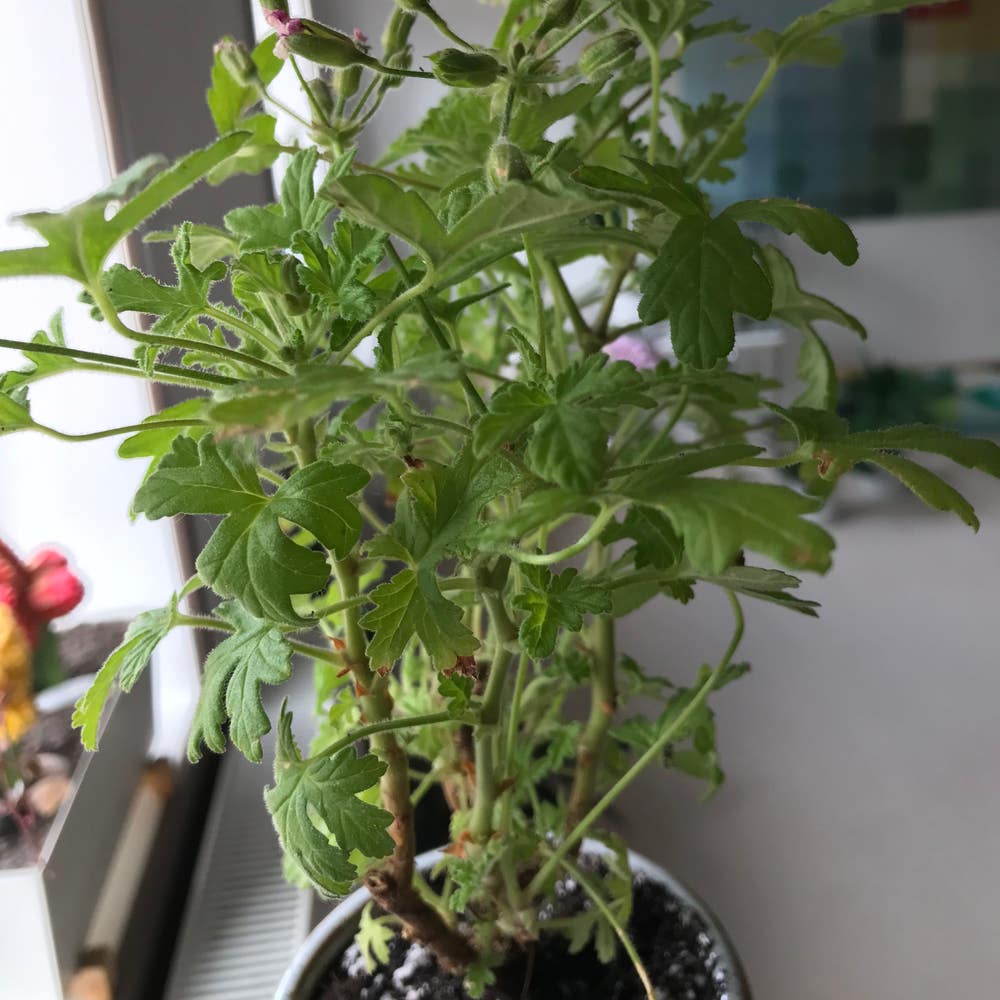
🌞 Does My Island Mallow Need Direct Sunlight?
Malva assurgentiflora
By the Greg Editorial Team
Apr 15, 2024•3 min read
This article was created with the help of AI so we can cover more plants for you. May contain errors. See one? Report it here.
Unveil the sunny secret 🌞 to a thriving Island Mallow with this essential sunlight guide.
- ☀️ Island Mallow thrives in direct light, but avoid midday intensity.
- 🧭 Window direction matters: South or north-facing, depending on hemisphere.
- 📆 Seasonal sun shifts: Adjust position and watch for leaf stress.
Island Mallow's Sunlight Saga: Bask or Balk?
🌞 Defining Sunlight for Budding Plant Parents
Direct sunlight is the unfiltered solar high-five your plant gets when it's front and center with no shade. Indirect sunlight is like a gentle pat on the back, still there but softer, like light filtered through a curtain.
🌿 Island Mallow's Sunlight Needs Unveiled
Island Mallow loves the spotlight but not the scorch. It craves bright, direct light, but too much can lead to a crispy demise. Think of it as a plant that enjoys a good tan without the burn.
Its native habitat clues us in on its sun preferences. Originating from sunny locales, Island Mallow is used to basking in generous light. However, it's not a fan of the midday sun's harshness.
A window spot that offers direct sunlight during the cooler parts of the day is the sweet spot. This way, Island Mallow gets its sun fix without the risk of leaf burn.
Reading the Sun's Signals: Window Direction and Hemisphere Hints
🌞 Window Whispers: Direction Matters
North, south, east, west: Where should Island Mallow rest? The direction your window faces can make a big difference in the amount of sunlight your plant receives.
- South-facing windows are the sun's favorite stage, offering the most intense spotlight for your Island Mallow.
- North-facing windows provide a more subdued light, less intense, making them the understudies of plant lighting.
- East-facing windows greet your plant with a gentle morning glow, a soft start to the day.
- West-facing windows deliver strong afternoon rays, a punchy end to the Island Mallow's light diet.
🌍 Hemisphere Highlights: Sunlight Intensity and Duration
From equator to poles, your location tweaks the sunlight roles. The hemisphere you reside in plays a crucial role in the intensity and duration of sunlight your Island Mallow will enjoy.
- In the Northern Hemisphere, south-facing windows are the go-to for maximum sunlight, akin to a full-on summer beach day for your plant.
- Conversely, in the Southern Hemisphere, north-facing windows become the sun-drenched stages, potentially too intense for the Island Mallow's liking.
- Seasons also affect the sun's angle and intensity, so keep an eye out for these changes and adjust your plant's position accordingly.
Remember, the sun's path is like a moving spotlight in your home, and where you place your Island Mallow can make or break its vibe. Keep an eye on the sky and adjust your plant's position with the seasons—your Island Mallow will thank you with healthy growth.
Sunlight Strategies for Island Mallow Care
⛅️ Seasonal Sun Shifts: Adapting to the Calendar
Island Mallow's sunbathing habits need a makeover as seasons change. In the summer blaze, it may require a bit of shade to prevent a sunburnt leafy disaster. As winter approaches, the sun gets shy, and your mallow might crave more light. It's about finding that sweet spot, so your plant doesn't throw a fit.
👩🌾 Plant Parenthood: Reading Island Mallow's Sunlit Signs
Your Island Mallow is chatty, but in leaf language. Sun-kissed leaves are lush and vibrant, a sign of contentment. If they're looking sun-stressed with crispy edges or faded colors, it's time for a sun intervention. Rotate your plant for even exposure; it's like ensuring all guests get equal time at the buffet.
⚠️ Safety First
This content is for general information and may contain errors, omissions, or outdated details. It is not medical, veterinary advice, or an endorsement of therapeutic claims.
Always consult a qualified healthcare professional before using any plant as food, medicine, or supplement.
Never eat any plant (or feed one to pets) without confirming its identity with at least two trusted sources.
If you suspect poisoning, call Poison Control (800) 222-1222, the Pet Poison Helpline (800) 213-6680, or your local emergency service immediately.
Spotted an error? Please report it here.
With Greg, you can optimize 🌞 your Island Mallow's sunbathing schedule and adjust care with the seasons for vibrant growth!