

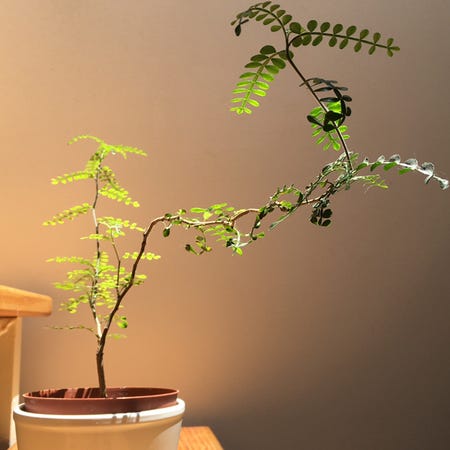


Elephant Tree

5.0 out of 5 (1 experiences)
 Fast grower
 Easy to propagate
Taxonomy

Operculicarya decaryi
Operculicarya
Anacardiaceae
Sapindales

How to care for Elephant Tree
How often to water your Elephant Tree

every 12
Elephant Tree needs 0.5 cups of water every 12 when it doesn’t get direct sunlight and is potted in a 5" pot.
Use our water calculator to personalize watering recommendations to your environment or download Greg for more advanced recommendations for all of your plants.

Water 0.5 cups every
12
Finding light for Elephant Tree in your home

a window
Elephant Tree may have difficulty thriving, and will drop leaves 🍃, without ample sunlight.
Place it less than 3 feet from a south-facing window to maximize the potential for growth.
Select your region to see how the current weather in your area affects the placement of Elephant Tree in your home 🏡.
How to fertilize Elephant Tree

Most potting soils come with ample nutrients which plants use to produce new growth.
By the time your plant has depleted the nutrients in its soil it’s likely grown enough to need a larger pot anyway.
To replenish this plant's nutrients, repot your Elephant Tree after it doubles in size or once a year—whichever comes first.
-
The repotting and move I think was a bit of a shock. New to me plant, so I decided to give it light and a new bigger pot. The leaves fell off, going to give it some time and hope it recovers.
-
is it dead? the branches have greenish hue #ElephantTree
-
Yellow leaves/losing leaves My plant baby is turning yellow and all the leaves are falling off. Is this because of too little or too much water ??
-
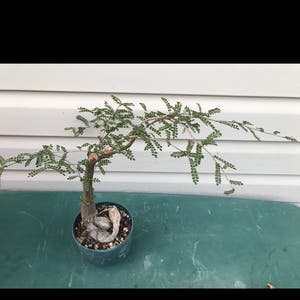
Hey guys just got this guy. I plan to bonsai it any tips or advice would be great!:) #ElephantTree #ElephantTree
-
We got this little investment the other day. We named it Nike (Nike not Nikeee) for its sleek little lines. It’s a bonsai but we thought it was cute and it wasn’t $400 like the last one we saw 😒. Some of these plants I love are taking me to the poor house! #SendHelp 🤣🤣🤣 #HappyPlants #PlantsMakePeopleHappy #PlantAddict #LowMaintenance #CentralTexasGang


Care Summary for Elephant Tree

Elephant Tree
 Greg recommends:
 Water
Water
0.5 cups every 12 days
 Placement
< 3ft from a window
 Nutrients
Repot after 2x growth
Based on the 4” pot your plant is in, and that it doesn’t get direct sunlight.
What other plant parents say
Fast grower 1
Easy to propagate 1


 10/18/2021
Makes great bonsai tree
Fast grower
Easy to propagate
 Trending in your area












 Similar to Elephant Tree


✨ Discover rare plants

Thelocactus macdowell…

Ruby Ball

Fagraea ceilanica

Large Leaf Elephant B…

Graptoveria 'Douglas …

Haworthia emelyae com…

Peperomia 'Harmony's …

Crassula 'Calico Kitt…

Parrot Pitcher Plant

Treasure Flower
Hoya crassipetiolata

Croton Nervia

Starfish Snake Plant

Aglaonema Spitfire

Bonsai Crassula

Anastasia Weeping Fig
