✂️ Dealing with Chanca Piedra as a Weed
Phyllanthus niruri subsp. niruri
By the Greg Editorial Team
Nov 09, 2024•7 min read
This article was created with the help of AI so we can cover more plants for you. May contain errors. See one? Report it here.
- 🌱 Chanca Piedra is an invasive weed, disrupting ecosystems and outcompeting native plants.
- ⚠️ Effective management requires early detection, manual removal, or targeted herbicide application.
- 💊 Balancing its medicinal uses with ecological impact is vital for responsible land stewardship.
Plant Classification
🌱 Definition of Weeds and Invasive Species
Weeds are often seen as the unwanted guests in our gardens and fields. These plants grow in cultivated areas, competing fiercely with the crops we cherish.
Invasive species take this a step further. They are non-native plants that spread rapidly, disrupting local ecosystems and outcompeting the native flora that has adapted to the environment over time.
📏 Criteria for Classifying Chanca Piedra as a Weed
Chanca Piedra meets several criteria that classify it as a weed. First, it has a remarkable ability to spread quickly, easily colonizing disturbed areas.
Its competitive nature is another concern. Chanca Piedra outcompetes native plants for essential resources like light, water, and nutrients, making it a formidable presence in any ecosystem.
Finally, the ecological impact of Chanca Piedra cannot be overlooked. It alters habitat structure and function, which can significantly affect biodiversity in the areas it invades.
Understanding these classifications helps us appreciate the challenges posed by Chanca Piedra and similar plants. This knowledge is crucial as we move forward in managing their presence in our environments.
Identification
Key Identifying Features 🌿
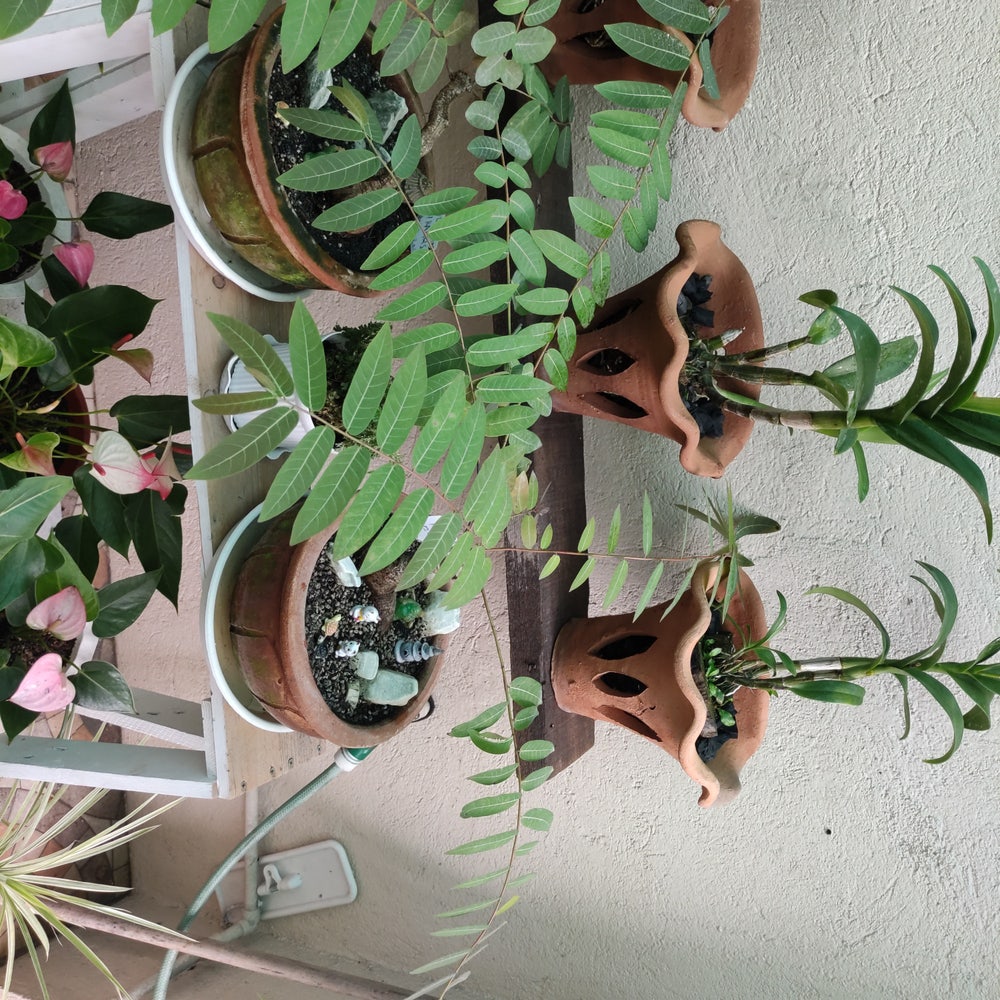
Chanca Piedra is easily recognizable by its small, green, lanceolate leaves that are arranged alternately along the stem. These leaves are often overshadowed by the plant's tiny yellow-green flowers, which can be easily overlooked due to their size.
The growth habit of Chanca Piedra is another defining feature. It tends to be a low-growing plant that spreads out, forming dense mats that can quickly cover large areas. This characteristic makes it particularly effective at colonizing disturbed environments.
Comparison with Look-Alike Plants 🔍
When identifying Chanca Piedra, it's essential to distinguish it from similar species, particularly other members of the Phyllanthus genus. Key distinguishing features include differences in leaf shape, flower color, and overall growth patterns.
For instance, while some look-alike plants may have broader leaves or different flower hues, Chanca Piedra's unique combination of characteristics helps in accurate identification. Familiarizing yourself with these differences can aid in effective management and control of this invasive species.
Growth Habits and Spread
🌱 Typical Growth Patterns
Chanca Piedra exhibits a vigorous spreading habit, capable of quickly covering large areas. This rapid growth is most pronounced during warm months, while the plant enters a dormant phase in colder conditions.
🌾 Reproductive Strategies and Methods of Spread
One of the key factors in Chanca Piedra's success as a weed is its impressive seed production. With a high output and seed viability, this plant can colonize new areas rapidly.
Additionally, Chanca Piedra can reproduce vegetatively, meaning it can propagate from stem fragments. This ability allows it to establish itself in various locations, further enhancing its invasive potential.
🌍 Adaptability to Various Environments
Chanca Piedra thrives in disturbed, nutrient-rich soils, making it well-suited for environments that have been altered by human activity.
Moreover, it demonstrates remarkable tolerance, growing in a range of conditions, including poor drainage and varying light levels. This adaptability contributes to its resilience and widespread presence.
As we delve deeper into the ecological impacts of Chanca Piedra, it's essential to understand how its growth habits and spread influence local ecosystems.
Ecological Impact
🌱 Effects on Native Plant Communities
Chanca Piedra can significantly disrupt local ecosystems by competing with native plants. This competition often leads to a reduction in biodiversity, as the aggressive growth of Chanca Piedra displaces more delicate native species.
Moreover, it alters the habitat by changing soil composition and microhabitats. These shifts can have cascading effects on the entire ecosystem, affecting everything from soil health to water retention.
🦋 Impact on Wildlife and Biodiversity
The presence of Chanca Piedra disrupts food webs by altering the availability of resources for native fauna. As native plants decline, the animals that depend on them for food and shelter also suffer.
Additionally, this invasive plant can harm pollinators by changing flower availability and habitat. With fewer native flowers, pollinators may struggle to find the resources they need, leading to further declines in biodiversity.
Understanding these ecological impacts is crucial for effective management strategies. By recognizing the threats posed by Chanca Piedra, we can take steps to protect our native ecosystems and the wildlife that relies on them.
Control and Management
🧤 Manual Removal Techniques and Best Practices
Effective control of Chanca Piedra begins with identifying infested areas. Regular monitoring is essential for early detection, allowing for timely intervention.
Hand-pulling is a straightforward yet effective method. Ensure you remove the entire root system to prevent regrowth, as even small fragments can lead to a resurgence.
Proper disposal of removed plants is crucial. This prevents re-establishment in the area, so consider composting or bagging them for disposal.
🧪 Overview of Chemical Control Options
When manual methods aren't enough, chemical control may be necessary. Herbicides can be effective, but it's important to choose the right type for your situation.
Application methods vary, so follow the manufacturer's instructions closely. Timing is also key; applying herbicides during the plant's active growth phase maximizes effectiveness.
🦠 Biological Control Methods and Their Effectiveness
Exploring biological control methods can offer a sustainable alternative. Research potential natural predators or competitors that may help keep Chanca Piedra in check.
However, there are limitations to this approach. Implementing biological control can be challenging, requiring careful planning and monitoring to ensure success.
🚫 Preventive Measures to Limit Spread
Preventing the spread of Chanca Piedra starts with good soil management. Practices that reduce soil disturbance can help promote the growth of native flora.
Regular monitoring is also vital. Conduct checks to catch early signs of spread, allowing for swift action before the problem escalates.
🚨 Importance of Early Detection and Rapid Response
Early detection is your best ally in managing Chanca Piedra. Develop quick action plans for newly identified infestations to minimize their impact.
Strategies for rapid response include mobilizing resources and engaging local communities. The sooner you act, the better your chances of controlling this invasive weed effectively.
With proactive management, you can protect your local ecosystem and maintain the balance between native and invasive species.
Legal Status
Overview of Laws and Regulations 🌐
Understanding the legal landscape surrounding Chanca Piedra is crucial for effective management. Both local and national regulations exist to govern the management of invasive species, including Chanca Piedra, which can impact agricultural practices and natural ecosystems.
Landowners have specific responsibilities under these laws. They must actively control and report infestations to prevent further spread, ensuring that their properties do not contribute to ecological disruption.
Requirements for Removal or Control in Specific Regions 📜
Compliance with regulations is essential for the legal removal of Chanca Piedra. Guidelines typically include steps such as proper identification of the plant, methods for effective removal, and documentation of actions taken.
Failing to adhere to these regulations can lead to serious consequences. Landowners may face fines or penalties, emphasizing the importance of understanding and following local laws regarding invasive species management.
In summary, being informed about the legal status of Chanca Piedra not only helps in managing its spread but also protects the integrity of local ecosystems. This knowledge sets the stage for effective control strategies and responsible land stewardship.
As we move forward, let’s explore the potential benefits or uses of Chanca Piedra, balancing its ecological impact with its historical significance.
Potential Benefits or Uses
🏺 Historical Uses
Chanca Piedra has a rich history in traditional medicine, particularly for treating kidney stones. Herbalists have long valued this plant for its purported ability to break down stones and ease urinary issues.
🌱 Current Beneficial Uses, If Any
Today, Chanca Piedra continues to find its place in herbal remedies. It's explored for various uses, including liver health and digestive support, showcasing its versatility beyond just kidney stone treatment.
⚖️ Discussion on the Balance Between Benefits and Negative Impacts
While Chanca Piedra offers potential health benefits, its status as an invasive weed raises concerns. It's crucial to weigh these advantages against the ecological harm it can cause, emphasizing the need to prioritize ecosystem health in any discussions about its use.
In conclusion, understanding both the benefits and the risks associated with Chanca Piedra can help us make informed decisions about its management and use. This balance is essential as we navigate the complexities of nature and our interactions with it.
⚠️ Safety First
This content is for general information and may contain errors, omissions, or outdated details. It is not medical, veterinary advice, or an endorsement of therapeutic claims.
Always consult a qualified healthcare professional before using any plant as food, medicine, or supplement.
Never eat any plant (or feed one to pets) without confirming its identity with at least two trusted sources.
If you suspect poisoning, call Poison Control (800) 222-1222, the Pet Poison Helpline (800) 213-6680, or your local emergency service immediately.
Spotted an error? Please report it here.
Tame the invasive Chanca Piedra 🌱 with Greg's personalized tips and reminders, ensuring you manage its spread while enjoying its medicinal benefits!