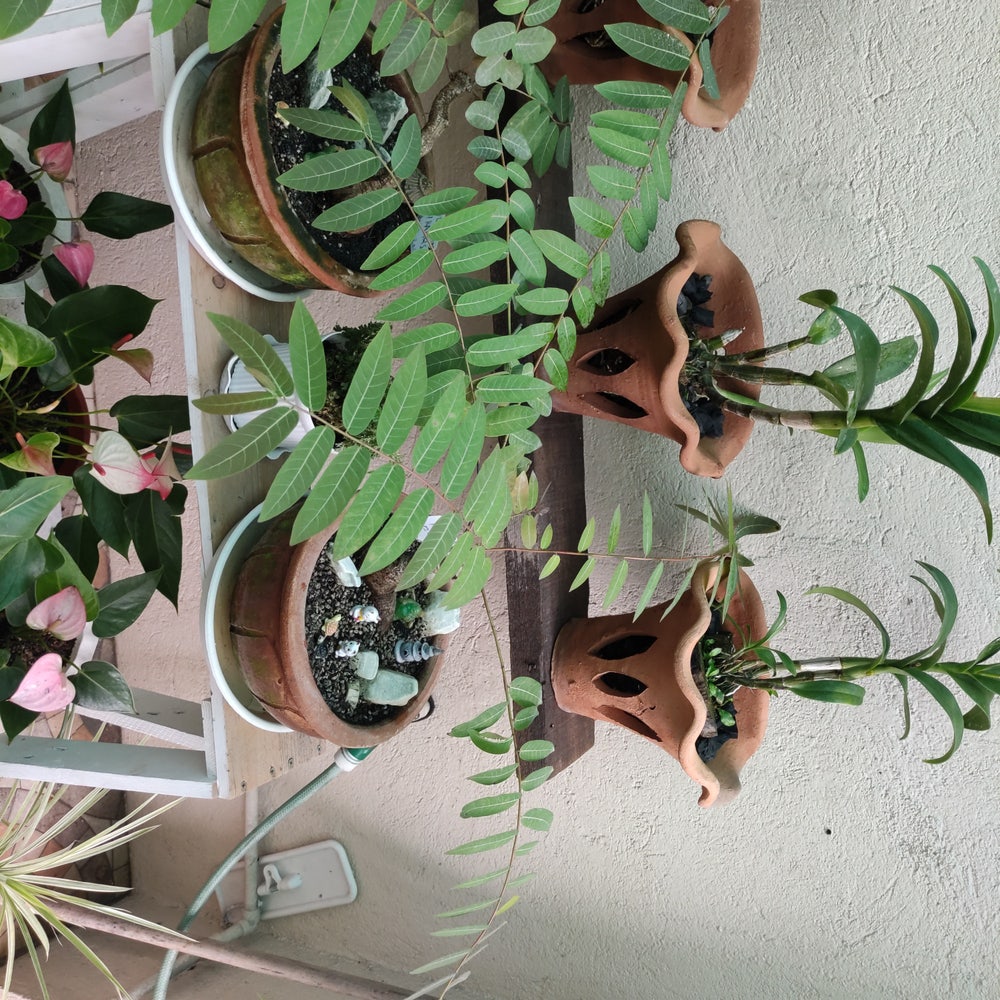
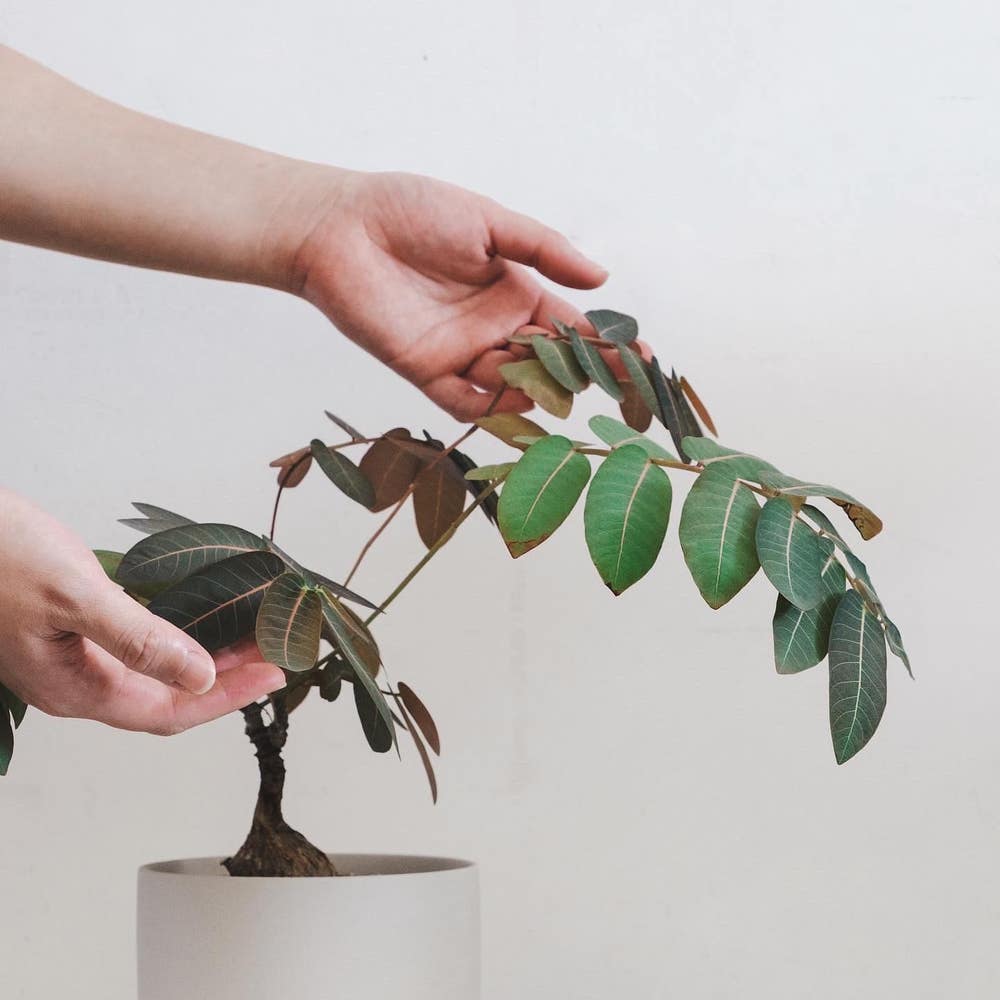
🔍 Best Tips for Dealing with Black Spots on Chanca Piedra
Phyllanthus niruri subsp. niruri
By the Greg Editorial Team
Nov 09, 2024•5 min read
This article was created with the help of AI so we can cover more plants for you. May contain errors. See one? Report it here.
- 🦠 Identify black spots' cause—fungal, bacterial, or pests—for effective treatment.
- 🌬️ Maintain humidity and air circulation to prevent black spots on Chanca Piedra.
- 🌱 Use neem oil or baking soda as organic treatments for black spot issues.
Diagnosing the Problem
🔍 Differentiating Between Fungal, Bacterial, and Pest-Related Issues
Identifying the cause of black spots on your Chanca Piedra is crucial for effective treatment. Start by examining the characteristics of the spots.
Fungal Infections
Fungal spots often have fuzzy edges and can spread rapidly across leaves. Look for irregular patterns that indicate a fungal issue, as these can quickly worsen if left untreated.
Bacterial Infections
Bacterial blight presents as water-soaked lesions that may ooze or appear greasy. These spots can lead to leaf wilting and overall plant decline, so early detection is key.
Pest-Related Issues
Pests like aphids and spider mites can mimic these symptoms. Check for tiny insects on the undersides of leaves or webbing, which can signal a pest problem requiring immediate attention.
🌍 Environmental Factors Contributing to Black Spots
Understanding the environmental conditions affecting your Chanca Piedra can help prevent black spots from developing.
Humidity Levels
Chanca Piedra thrives in moderate humidity. Excess moisture can create a breeding ground for fungal infections, so aim for humidity levels between 40% and 60%.
Temperature Fluctuations
Extreme temperature changes can stress your plant, making it more susceptible to diseases. Keep your Chanca Piedra in a stable environment, ideally between 65°F and 85°F.
Air Circulation
Good airflow is essential for preventing fungal infections. Ensure your plants are spaced adequately to promote air movement, reducing the risk of disease.
By diagnosing the problem accurately and understanding the environmental factors at play, you can take the necessary steps to protect your Chanca Piedra. Next, we’ll explore effective treatment options to tackle these issues head-on.
Treatment Options
🌱 Organic Solutions for Treating Black Spots
When it comes to treating black spots on Chanca Piedra, organic solutions are often the safest and most effective.
Neem Oil
Neem oil is a powerful natural remedy. To use it, mix 2 tablespoons of neem oil with a gallon of water and a few drops of dish soap. Spray this solution on affected areas every 7-14 days for optimal results.
Baking Soda Solution
A baking soda solution can help combat fungal infections. Mix 1 tablespoon of baking soda with 1 gallon of water and a few drops of liquid soap. Apply this mixture every 7-10 days, especially after rainfall, to keep fungal growth at bay.
Garlic Spray
Garlic is not just for cooking; it’s also a fantastic natural pesticide. To prepare garlic spray, blend 2-3 cloves of garlic with water, strain the mixture, and dilute it with more water. Spray it on your plants every week to deter pests and prevent fungal issues.
🧪 Chemical Treatments and Their Application
If organic methods don’t yield results, chemical treatments may be necessary.
Fungicides
Fungicides can effectively treat fungal infections on Chanca Piedra. Look for products containing copper or sulfur, and follow the application guidelines on the label to ensure safety and effectiveness.
Bactericides
Bactericides are essential for treating bacterial infections. Use them when you notice water-soaked lesions on your plants. Apply according to the instructions, focusing on the affected areas.
Safety Precautions
When using chemicals, safety is paramount. Always wear gloves and a mask, and apply treatments in a well-ventilated area. Ensure that any chemicals used are safe for edible plants to protect your health.
📋 Step-by-Step Guide to Applying Treatments
Applying treatments effectively requires a systematic approach. Follow these steps for the best results:
- Identify the type of infection: Determine if the issue is fungal or bacterial.
- Choose the appropriate treatment: Decide between organic or chemical solutions based on your needs.
- Prepare the treatment solution: Follow the instructions carefully to mix your chosen treatment.
- Apply the treatment: Do this in the early morning or late afternoon to prevent sunburn on your plants.
- Monitor the plant: Keep an eye on your Chanca Piedra for improvement or any new symptoms over the next 1-2 weeks.
By following these treatment options and guidelines, you can effectively manage black spots on your Chanca Piedra, ensuring your plant remains healthy and vibrant. Next, let’s explore preventive measures to keep these issues at bay in the future.
Preventive Measures
🌱 Best Practices for Chanca Piedra Care to Prevent Black Spots
Maintaining healthy Chanca Piedra plants starts with soil quality. Ensure you use well-draining soil enriched with organic matter to promote robust growth and minimize the risk of black spots.
Proper spacing between plants is equally crucial. This allows for adequate air circulation, reducing humidity levels around the foliage and helping to prevent fungal infections.
💧 Importance of Proper Watering and Drainage
Watering frequency should be adjusted based on environmental conditions. Overwatering can lead to soggy soil, which fosters fungal growth, while underwatering stresses the plant.
Implementing effective drainage solutions is essential. Use pots with drainage holes and consider amending your soil with materials like perlite or sand to enhance drainage.
🔍 Regular Inspection and Maintenance Routines
Conduct weekly checks on your plants. Look closely at the leaves for early signs of black spots or pests, as catching issues early can save your plants from more severe damage.
Establish a cleaning routine to remove debris and dead leaves. This simple practice reduces the risk of disease and keeps your plants looking their best.
By following these preventive measures, you can create a thriving environment for your Chanca Piedra, minimizing the chances of encountering black spots. Next, let’s explore effective treatment options should you face any issues.
⚠️ Safety First
This content is for general information and may contain errors, omissions, or outdated details. It is not medical, veterinary advice, or an endorsement of therapeutic claims.
Always consult a qualified healthcare professional before using any plant as food, medicine, or supplement.
Never eat any plant (or feed one to pets) without confirming its identity with at least two trusted sources.
If you suspect poisoning, call Poison Control (800) 222-1222, the Pet Poison Helpline (800) 213-6680, or your local emergency service immediately.
Spotted an error? Please report it here.
Keep your Chanca Piedra spot-free 🌱 by using Greg's tailored care reminders and tips to tackle black spots effectively and create a thriving environment for your plant!