Dealing with Bugs on Your Maidenhair Tree
Ginkgo biloba
By the Greg Editorial Team
Jul 29, 2024•3 min read
This article was created with the help of AI so we can cover more plants for you. May contain errors. See one? Report it here.
- ๐ณ Maidenhair Trees resist pests naturally with thick leaves and robust immunity.
- ๐ต๏ธโโ๏ธ Regular inspections and hygiene prevent pest infestations effectively.
- ๐ Integrated Pest Management (IPM) tailors health and environmental balance.
Maidenhair Tree Pest Resistance
Maidenhair Trees are celebrated not just for their unique fan-shaped leaves but also for their notable resistance to pests. This resilience is a natural defense mechanism that reduces the likelihood of infestations and the need for chemical interventions.
๐ก๏ธ Inherent Pest-Resistant Qualities
- The Maidenhair Tree's thick, leathery leaves are less appealing to common pests like aphids and spider mites, which prefer softer foliage.
- Its robust immune system can fend off many fungal diseases that often accompany pest attacks.
๐ Pests Less Likely to Infest Maidenhair Trees
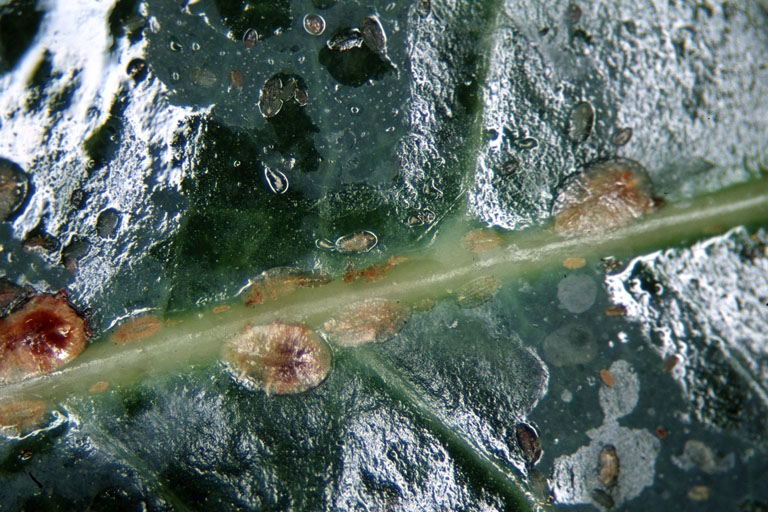
- Scale insects and mealybugs are seldom a concern due to the tree's tough bark and leaf structure.
- Whiteflies and fungus gnats are rarely seen on Maidenhair Trees, possibly due to the tree's natural compounds that deter these pests.
By understanding these pest-resistant traits, gardeners can appreciate the Maidenhair Tree's place in an eco-friendly garden where reliance on pesticides is minimized.
Preventing Pest Problems
๐ Proactive Measures for Pest Prevention
- Regularly inspect leaves and branches for early signs of pests.
- Gently hose down your tree to dislodge potential invaders.
- Maintain a clean environment around your tree to deter pest establishment.
๐ฟ Plant Hygiene and Regular Inspections
- Sterilize pruning tools before and after use to prevent the spread of pests and diseases.
- Remove dead leaves and debris promptly, as they can harbor pests.
- Quarantine new plants before introducing them to the area near your Maidenhair Tree to prevent cross-contamination.
๐บ Seasonal Pest Variations and Preparedness
- Stay vigilant during the warm months when pests are most active.
- Adjust care routines with the changing seasons to keep your tree stress-free and less appealing to pests.
- Implement natural deterrents like companion planting and beneficial insects to create a hostile environment for pests.
Tailored Pest Management
Integrated Pest Management (IPM) is a strategic approach to keeping your Maidenhair Tree healthy and free from pests. It's a blend of tactics tailored to your tree's specific needs, promoting long-term plant health and environmental balance.
๐ Applying IPM to Maidenhair Trees
- Start with prevention: choose resistant varieties and create an unwelcoming environment for pests.
- Encourage beneficial predators like ladybugs to naturally keep pest populations in check.
- Use physical barriers, such as nets or row covers, to protect your tree from invaders.
๐ Early Detection and Intervention Specifics
- Regularly inspect your Maidenhair Tree for early signs of pest activity, such as unusual leaf spots or sticky residues.
- Set up traps or use pheromone lures to monitor for specific pests, allowing for timely and precise interventions.
๐ Monitoring and Long-Term Pest Control Strategies
- Keep a detailed record of pest occurrences to identify patterns and adjust your IPM plan accordingly.
- Combine cultural practices, like proper watering and pruning, with biological controls to maintain a robust defense against pests.
- Reserve chemical treatments as a last resort, opting for targeted applications of eco-friendly options like insecticidal soap or neem oil.
โ ๏ธ Safety First
This content is for general information and may contain errors, omissions, or outdated details. It is not medical, veterinary advice, or an endorsement of therapeutic claims.
Always consult a qualified healthcare professional before using any plant as food, medicine, or supplement.
Never eat any plant (or feed one to pets) without confirming its identity with at least two trusted sources.
If you suspect poisoning, call Poison Control (800) 222-1222, the Pet Poison Helpline (800) 213-6680, or your local emergency service immediately.
Spotted an error? Please report it here.